English
Dekagon is a compact math puzzle game that asks players to assemble equations that match a displayed target number, blending simple arithmetic with logical problem solving. The interface is intentionally clean so the challenge comes from manipulating numbers and operators rather than navigating menus, making Dekagon a good fit for short practice sessions or deeper, focused play. Players combine digits and mathematical operators to form valid expressions, experiment with different permutations and operator precedence, and refine strategies for reaching the target with fewer moves or more elegant solutions.
The core of Dekagon is its equation-building mechanic: choose numbers, place operators, and evaluate expressions until the target is reached. Puzzles present a limited set of numbers and a selection of operators, encouraging creative use of order and grouping. The game keeps rules straightforward to lower the learning curve, while a gradually increasing difficulty curve introduces larger targets and more complex operator combinations. Hints and an undo option are available to support learning without removing the satisfaction of discovery.
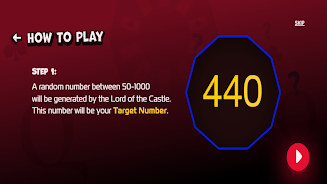
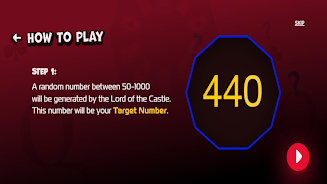
Each puzzle begins with a target value and a pool of available elements you can combine. Valid expressions must respect standard arithmetic rules, and the puzzle is solved when your expression equals the target. Dekagon rewards concise solutions and creative manipulation of operators: synonymous results can often be achieved through multiple paths, which keeps problem solving fresh. The system emphasizes arithmetic reasoning rather than memorized patterns by varying the pools of numbers and the operators allowed on each puzzle.
Controls are intentionally simple and touch-optimized: tap numbers to select them, tap or drag operators into place to build an expression, and use an on-screen evaluate button to check results. A clear undo function lets you step back through changes, and a small tutorial demonstrates the basic gestures and operator precedence rules. The UI uses large tappable elements and responsive feedback so controls feel natural on phones and tablets alike.
Puzzles are organized into progressive sets that introduce new challenges as you advance. Early puzzles focus on small targets and basic operators to build confidence, while later sets increase numerical range and may introduce additional operator types or more restrictive element pools. Completion is tracked as you move through packs of puzzles, and optional difficulty settings allow players to choose a more relaxed or more demanding experience depending on whether they want a steady practice session or a tougher mental workout.
Dekagon uses a minimalist visual design with a calm color palette, subtle animations for correct answers, and clear typography to keep focus on calculations. A small collection of visual themes lets you adjust background tones and interface contrast, and sound effects and haptic feedback can be toggled independently. These customization options are intended to improve comfort and accessibility rather than distract from the puzzle itself.
The game includes adjustable font sizes and color options that work well for color-blind players, alongside simple, direct controls for users who prefer accessibility-friendly interfaces. Dekagon is designed to run offline so you can practice without an internet connection; progress and local settings are stored on the device. The inclusion of hints and undo supports learners of different skill levels while maintaining the integrity of the puzzles.
Replayability comes from the multiple valid solutions many puzzles offer and the satisfaction of improving efficiency and speed. Rather than a single correct approach, Dekagon encourages exploration of permutations and operator combinations, which makes repeated attempts interesting. Optional challenge goals such as fewer-move completions or solving puzzles under a time limit provide ways to increase difficulty for players who want an extra layer of competition against their personal bests.
The overall experience is intended to be calm and focused: short, well-scoped puzzles are suitable for quick breaks, while deeper problem sets support ongoing practice of mental arithmetic and logical reasoning. Dekagon places an emphasis on clarity of rules, consistent feedback, and gradual difficulty progression so players can see tangible improvement in calculation speed and strategy without confronting unnecessary complexity. The combination of a clean interface, accessible controls, and thoughtfully layered challenges makes it a dependable tool for both casual brain exercise and concentrated practice sessions.
Dekagon
Size:47.54M CardTeen Patti Master Download
Size:13.90M CardTeen Patti Ascendancy
Size:103.00M CardCrownStillness
Size:48.27M CardReel Fortune
Size:29.40M CardSpirit Clash
Size:574.89M CardPlayTounsi (Chkobba-Rami-Ludo)
Size:32.00M CardReverse Solitaire
Size:44.78M CardPoker Multiplayer
Size:28.04M CardTales & Testaments
Size:175.31M CardAviator Fun Game
Size:27.39M CardSpirit Beasts
Size:35.60M CardApril 2024 Clash of Clans Update: Unveiling a Fresh Companion, Enhanced Levels, Chat Tagging, and Be
2024-04-16Arrival of Genshin Impact 4.6 Update: 'Embers of Two Realms, Twilight of Crimson'
2024-04-16V2.2 of the Farlight 84 update introduces an overhauled Season structure, fresh in-game currency, an
2024-04-16Monster Never Cry is now accessible on both Android and iOS mobile devices.
2024-04-18PUBG Mobile Teams Up with Bentley Motors: Luxury Cars, Exclusive Collectibles, and Beyond
2024-04-18March 2024 Free Redemption Codes for Honkai: Star Rail
2024-04-18