English
Urban Hunter is a GPS-based multiplayer tactical shooter that turns your city into a live battlefield, using real-world movement and map data as the core of every match. Urban Hunter places squad-based team play at the center of its design, with streets, alleys, and landmarks becoming meaningful terrain where positioning, cover and timing decide engagements. The description below explains gameplay systems, controls, progression and practical considerations so you know what to expect before you play.
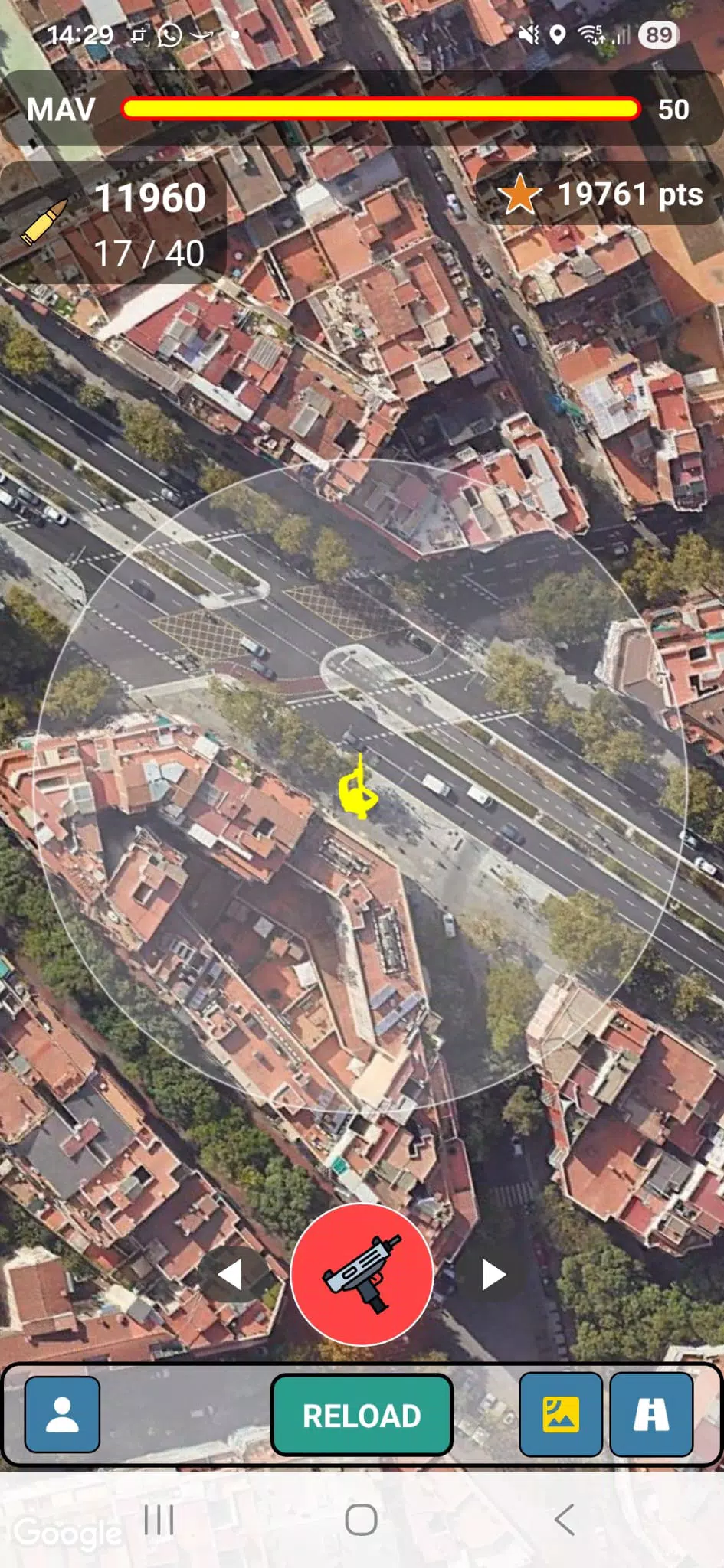
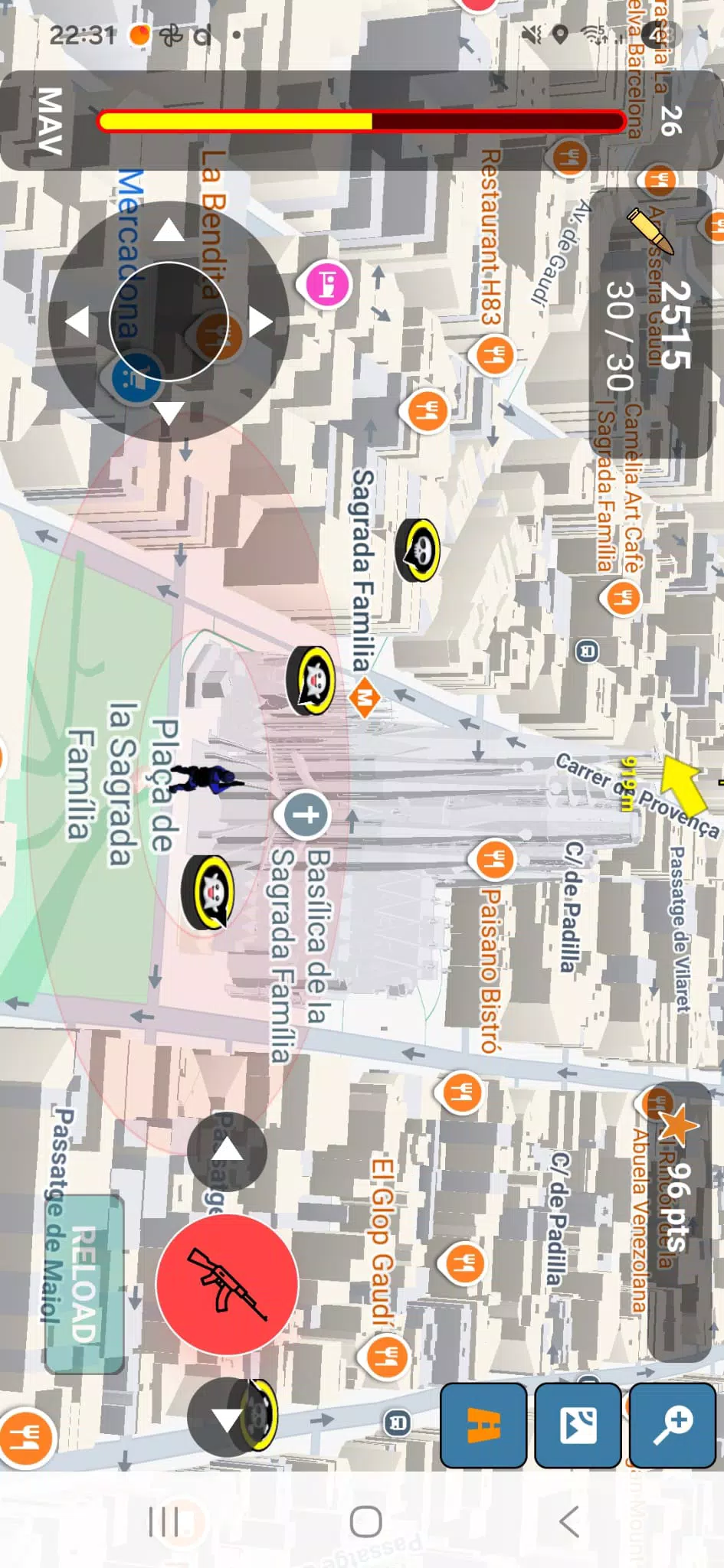
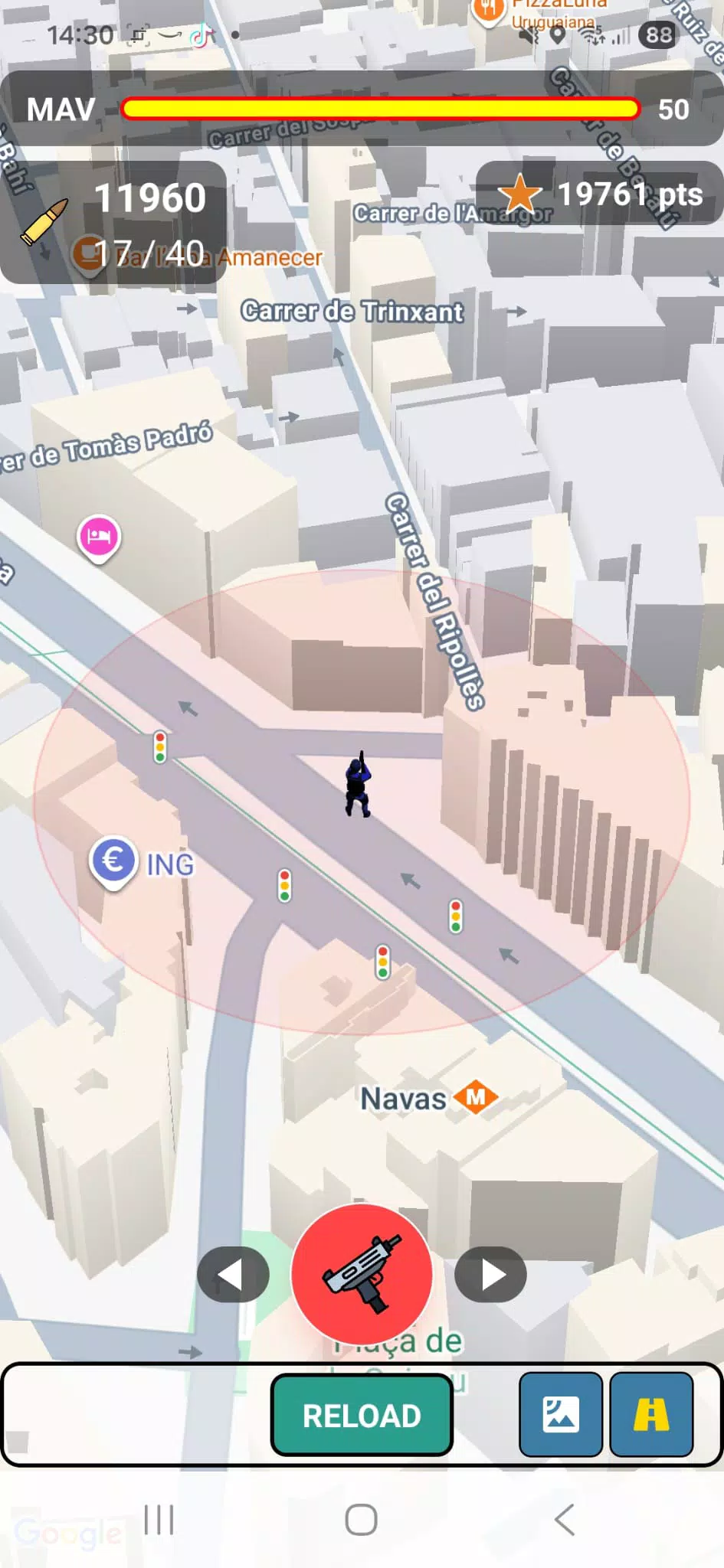
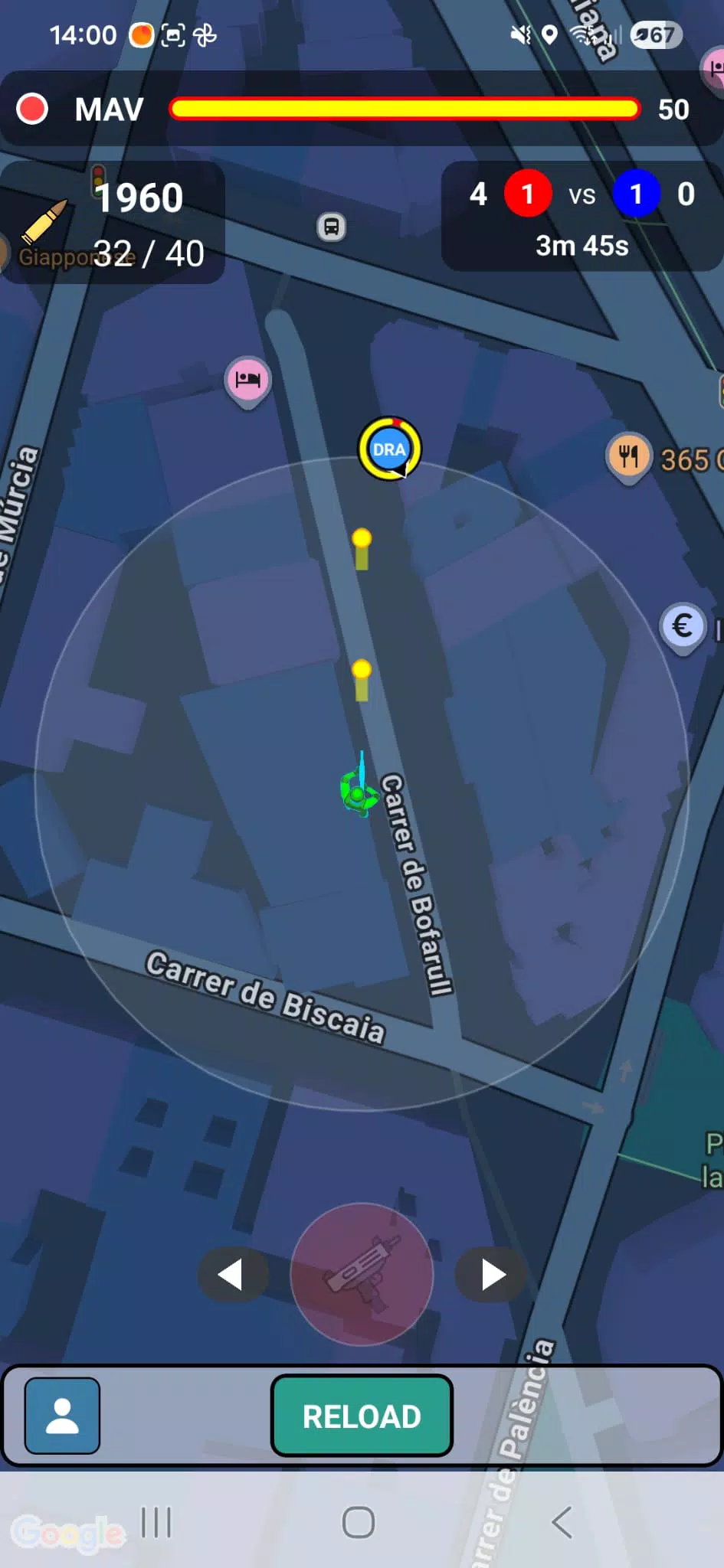
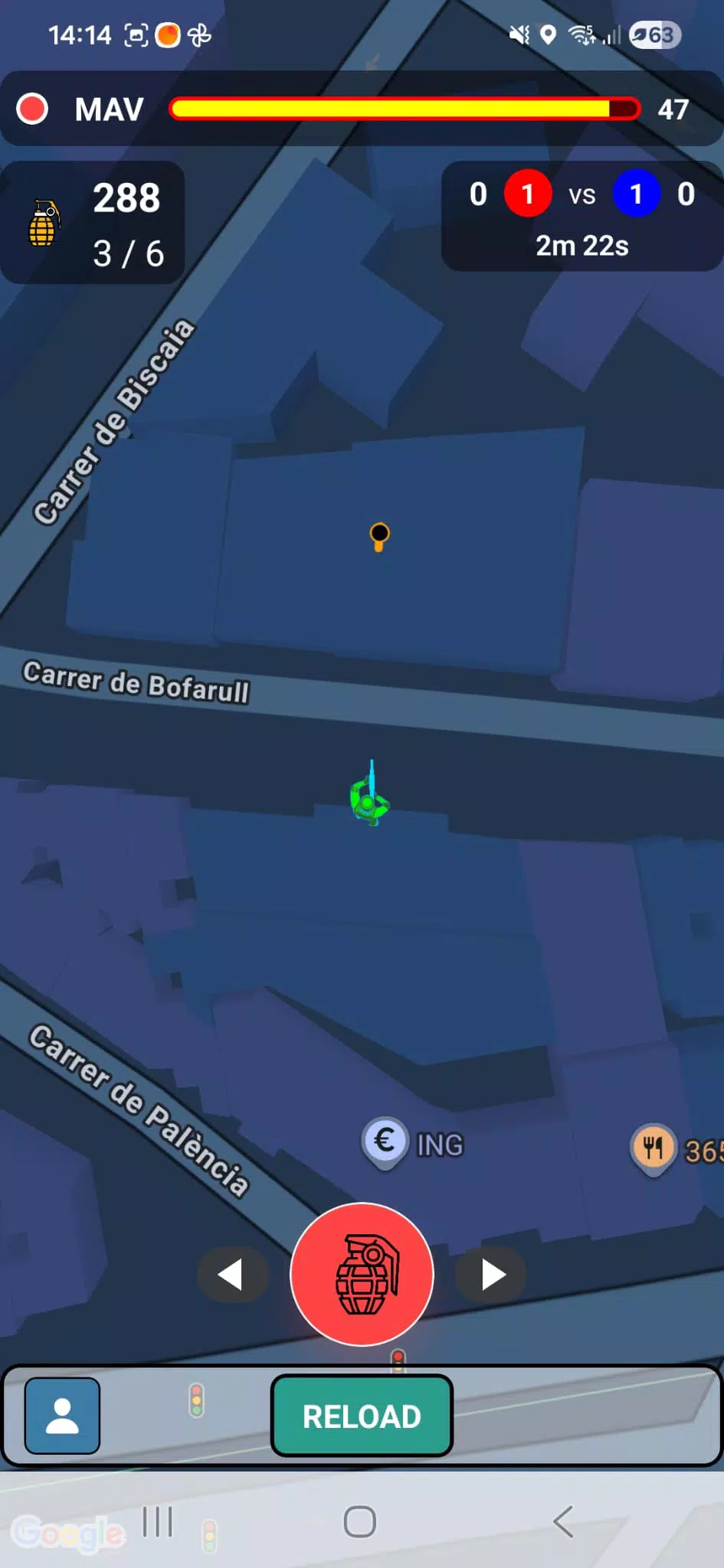
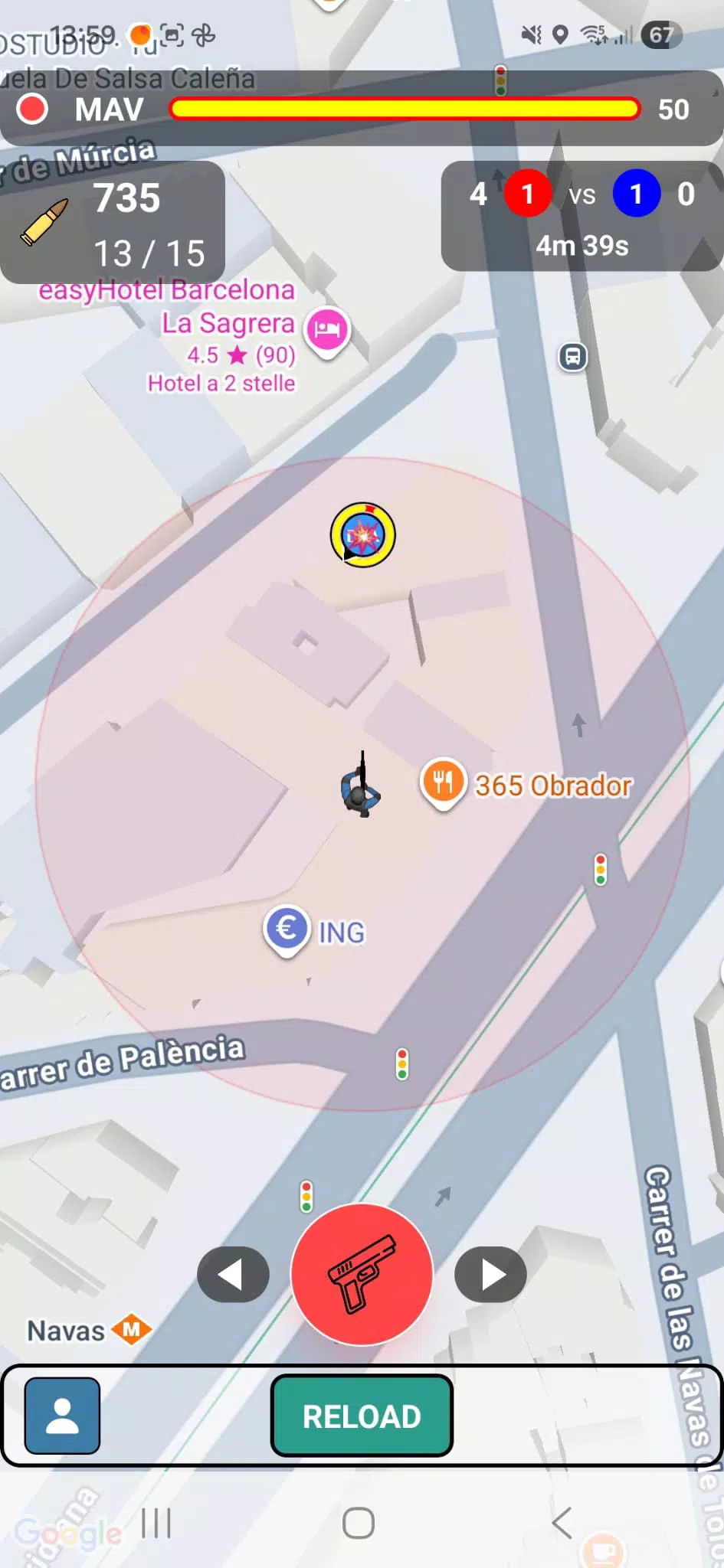
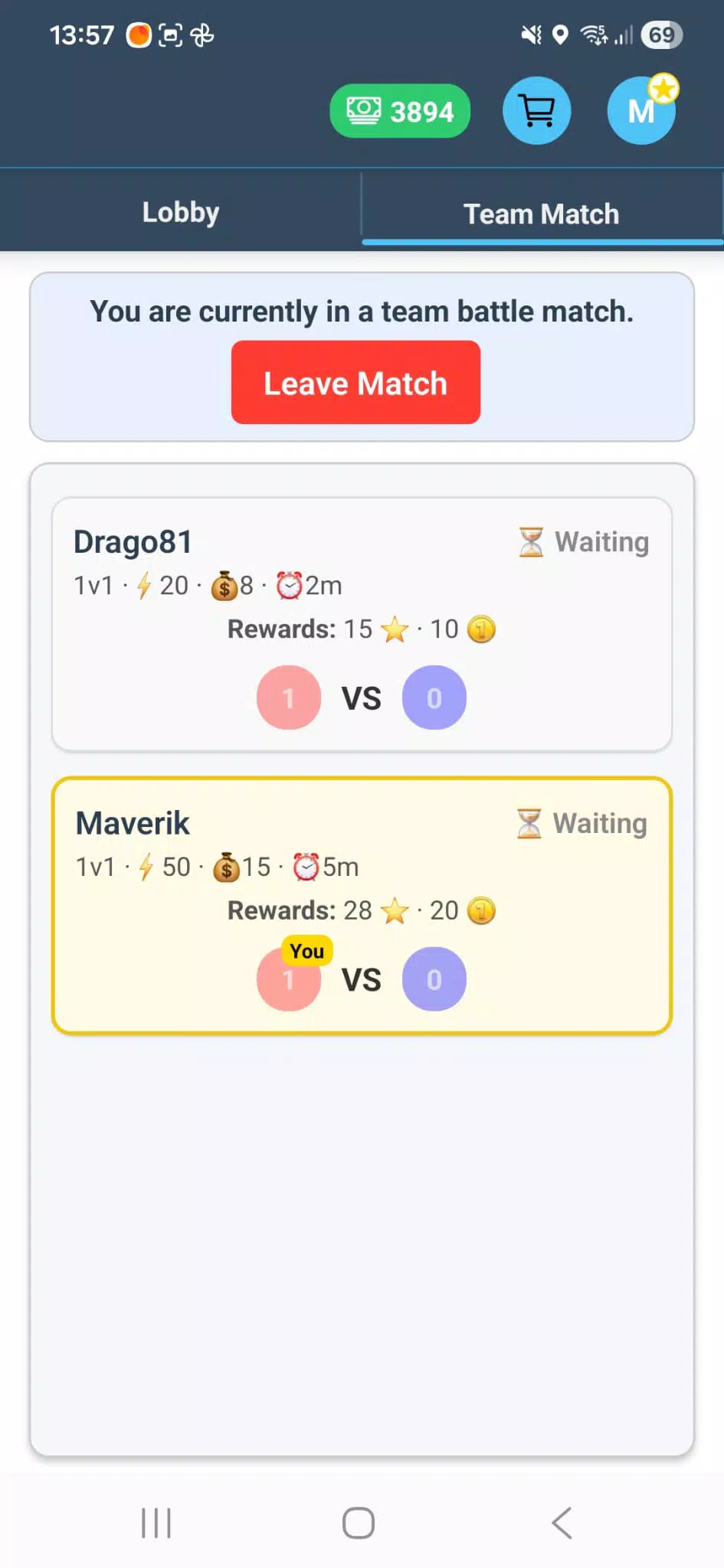
Urban Hunter uses real-time GPS to mirror player movement on a live map overlay so your physical location matters during matches. Projectiles interact with structures and obstacles: shots can be blocked or redirected by walls and parked cars, producing a physics-aware combat layer that rewards thoughtful positioning and tactical movement. Team Match mode emphasizes coordinated objectives such as territory capture and point defense, encouraging roles like flanking, anchoring, and area denial rather than lone-wolf running. The game is designed for relatively short, intense sessions that fit into real-world movement, converting ordinary routes into tactical opportunities.
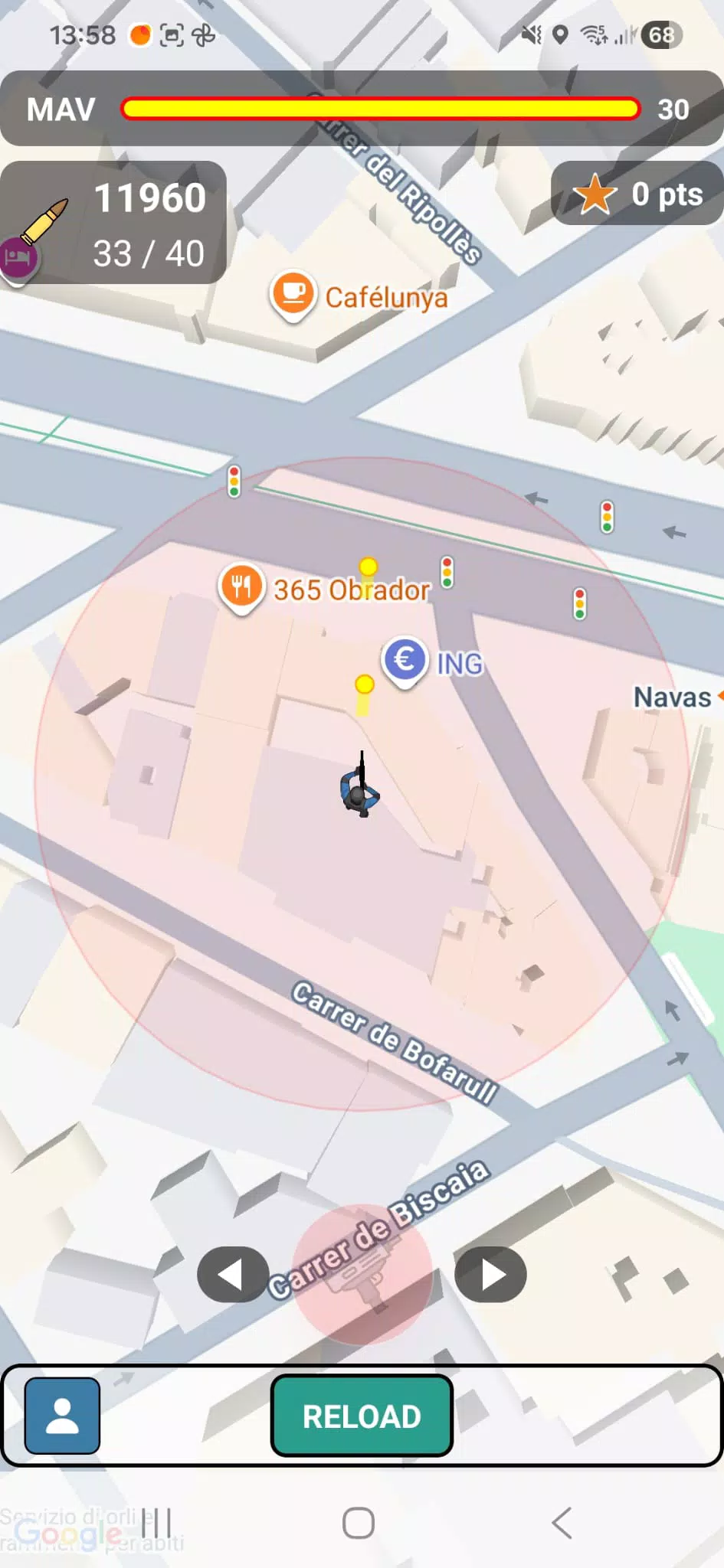
Matches are built around proximity and map control rather than static arenas. Players join local skirmishes where squads compete to control key zones or deliver objectives while the surrounding urban layout influences line of sight and cover. Movement is tracked by GPS so running, walking or repositioning changes your in-match location; the game translates those movements into tactical advantages or vulnerabilities depending on where you choose to engage. Ammo, reload behavior and weapon handling are simplified for mobile play, but the interaction between bullets and the environment creates emergent tactical moments that reward map awareness and team communication.
Controls are optimized for mobile devices with intuitive touch-based aiming and firing, optional auto-aim assistance for new players, and configurable sensitivity settings to match personal preference. Short tutorials and a practice area are available to learn core mechanics including aiming, reloading, and using cover without joining a live match. The interface keeps HUD elements minimal and readable while offering quick access to tactical commands and teammate markers so coordination remains straightforward even on smaller screens.
Players progress through an experience system that rewards play with unlockable cosmetics, loadout options, and small tactical gadgets. Progression focuses on personalization and playstyle choices rather than pay-to-win upgrades: cosmetic skins, emblems, and configurable loadouts let you express identity and refine how you approach matches. Progression is paced to encourage steady engagement across multiple sessions and gives clear goals to pursue beyond individual matches.
Urban Hunter presents a clean, realistic visual style that emphasizes readable maps and clear visual feedback during combat. The game maps are derived from real-world street layouts but abstracted for clarity so buildings, park areas and major landmarks are easy to interpret at a glance. Matches take place in mapped sections of the city suited for short tactical encounters; these bite-sized level areas are designed to offer multiple tactical routes and cover options to keep play varied and strategic.
Replay value comes from varied match objectives, team compositions and loadout choices that change how a given street or plaza must be approached. Daily challenges and match-type rotation encourage players to try different tactics and explore new parts of the map. Because the environment and opposing teams are dynamic, no two matches feel identical, and mastering map-specific tactics provides a steady sense of improvement.
The game offers accessibility options including adjustable text size, color-contrast settings, and simplified control modes to support a wide range of players. Urban Hunter requires continuous location permission for live matches; this increases battery and data usage and the game provides clear permission prompts and settings to control background GPS behavior. Players should always follow local laws and exercise common-sense safety when moving in public spaces. A limited offline practice mode allows learning controls and testing loadouts without an active network connection, but live multiplayer matches require stable connectivity and outdoor movement to reflect the real-world map.
Urban Hunter performs best with a device that has reliable GPS and a current version of Android. For extended sessions, charge your device or use a portable battery because GPS and network use will increase power draw. If you encounter connectivity issues, the game will attempt to resynchronize your position and offer short tutorial or practice options until a stable connection is reestablished. Urban Hunter is intended to be both a physical and tactical experience: thoughtful planning, teamwork and awareness of your surroundings will lead to the most satisfying matches.
Urban Hunter
Size:43.70M ActionRecurrence
Size:523.10M ActionStickman Ninja 3v3 Battle
Size:173.70M Action脱獄ごっこ
Size:37.80M ActionIce Scream 4
Size:161.00M ActionSurvivor Cat: Chicken Invaders
Size:82.10M ActionStickman Gang Battle
Size:50.50M ActionMy Cooking
Size:179.30M ActionWar of Tanks: Battle Arena
Size:110.70M ActionBattleTale:Boss Battles&Maker
Size:101.87M ActionRun Square: Reflex Rush
Size:41.50M ActionKawaii World
Size:80.90M ActionApril 2024 Clash of Clans Update: Unveiling a Fresh Companion, Enhanced Levels, Chat Tagging, and Be
2024-04-16Arrival of Genshin Impact 4.6 Update: 'Embers of Two Realms, Twilight of Crimson'
2024-04-16V2.2 of the Farlight 84 update introduces an overhauled Season structure, fresh in-game currency, an
2024-04-16Monster Never Cry is now accessible on both Android and iOS mobile devices.
2024-04-18PUBG Mobile Teams Up with Bentley Motors: Luxury Cars, Exclusive Collectibles, and Beyond
2024-04-18March 2024 Free Redemption Codes for Honkai: Star Rail
2024-04-18