English
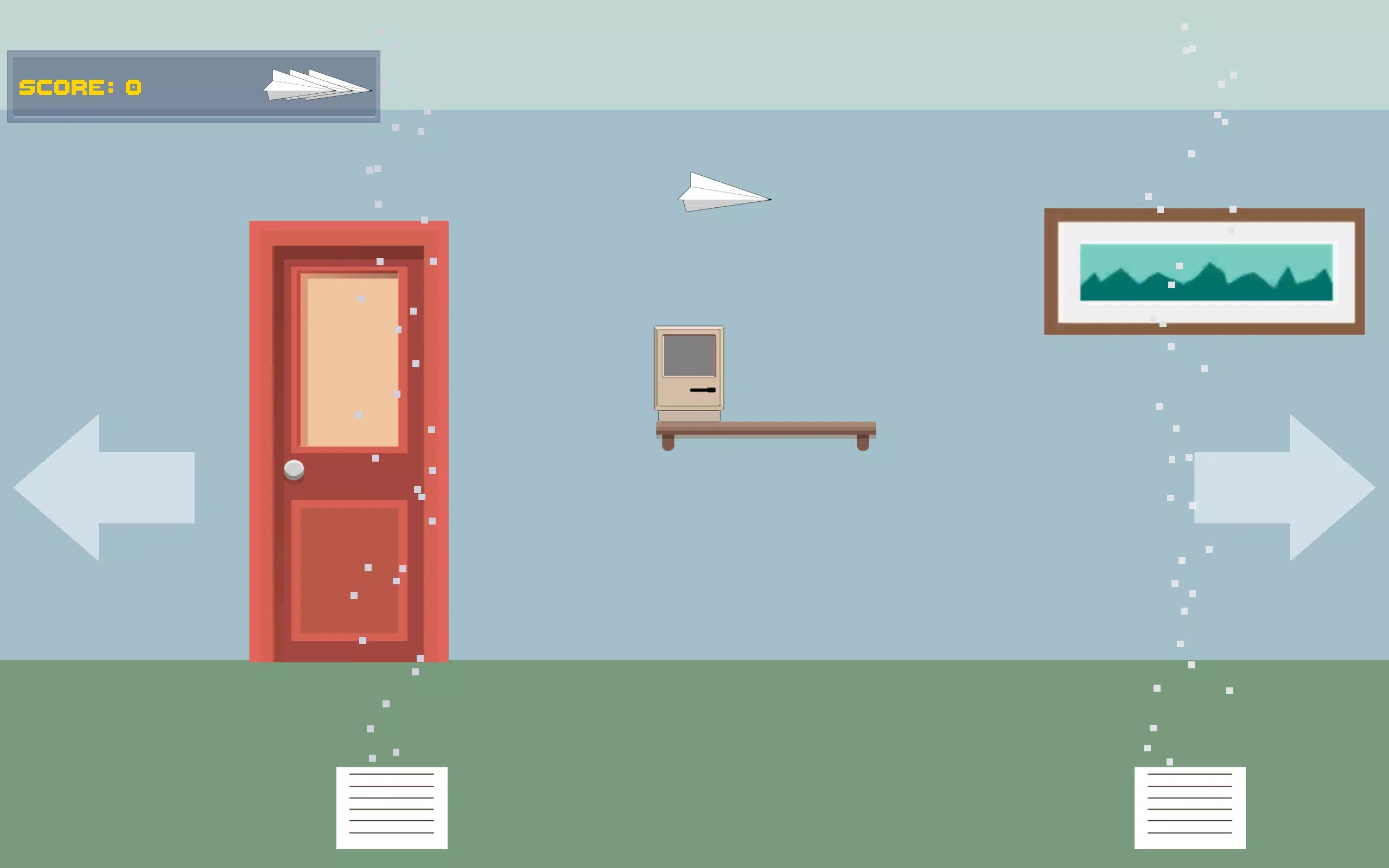
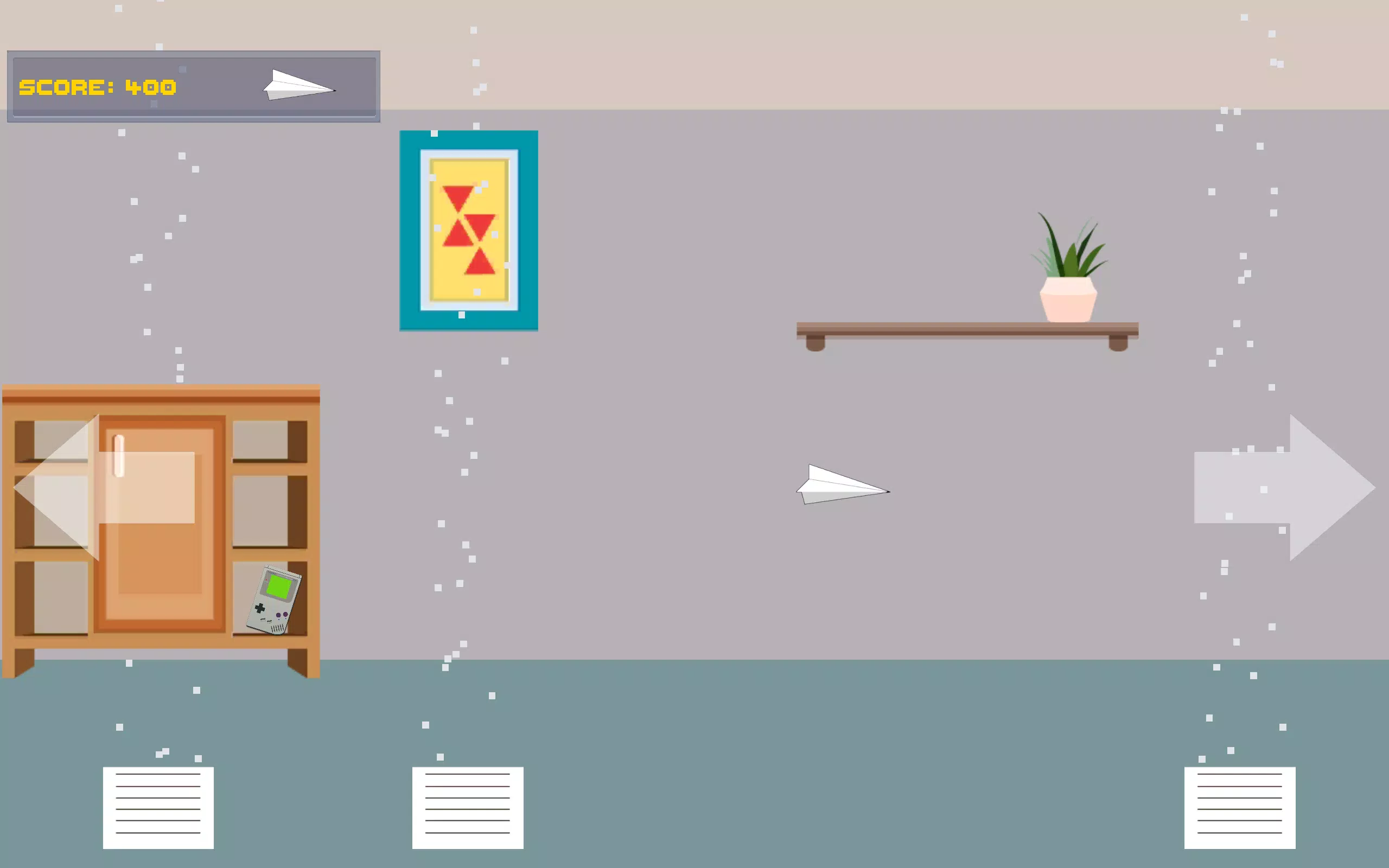
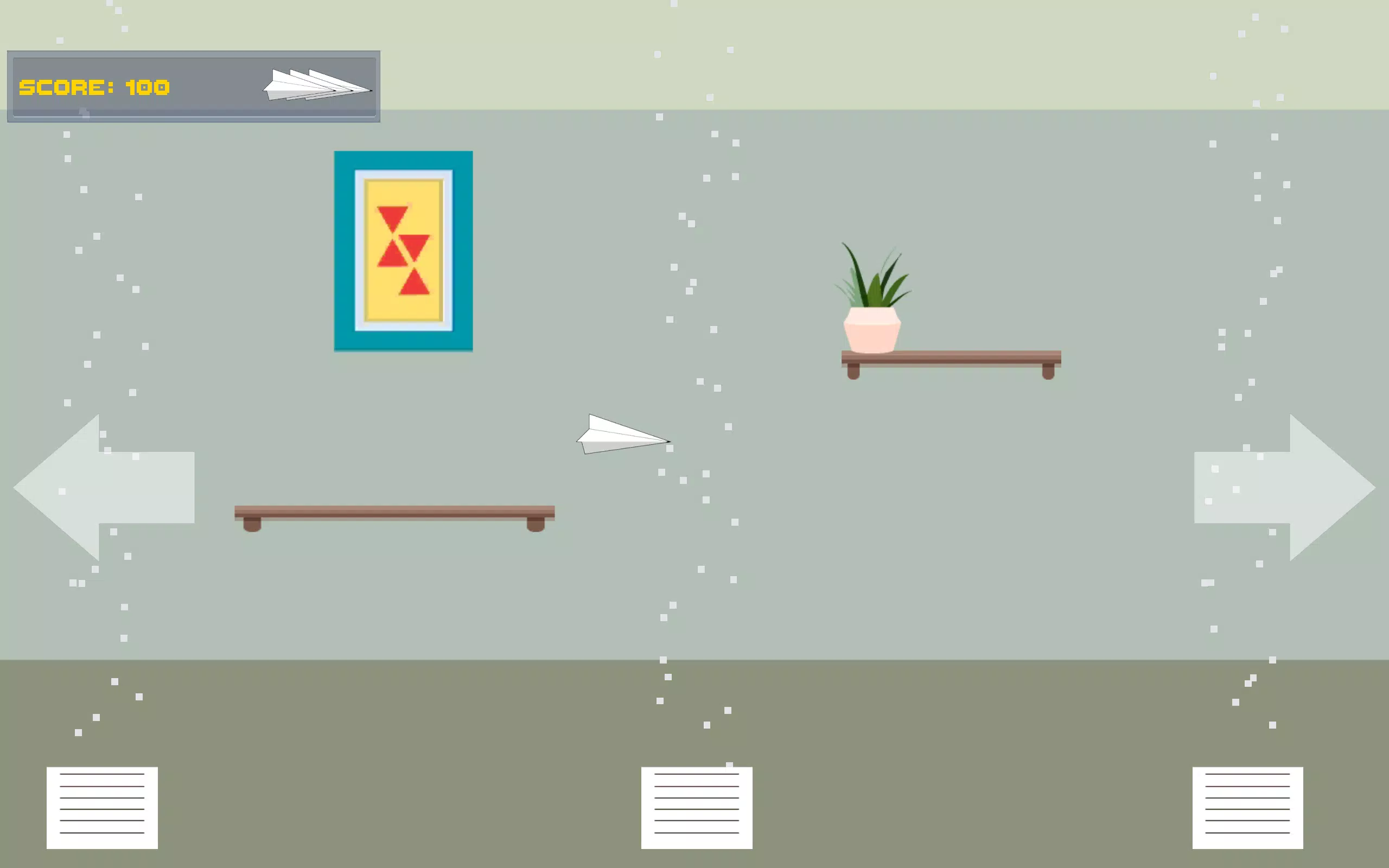
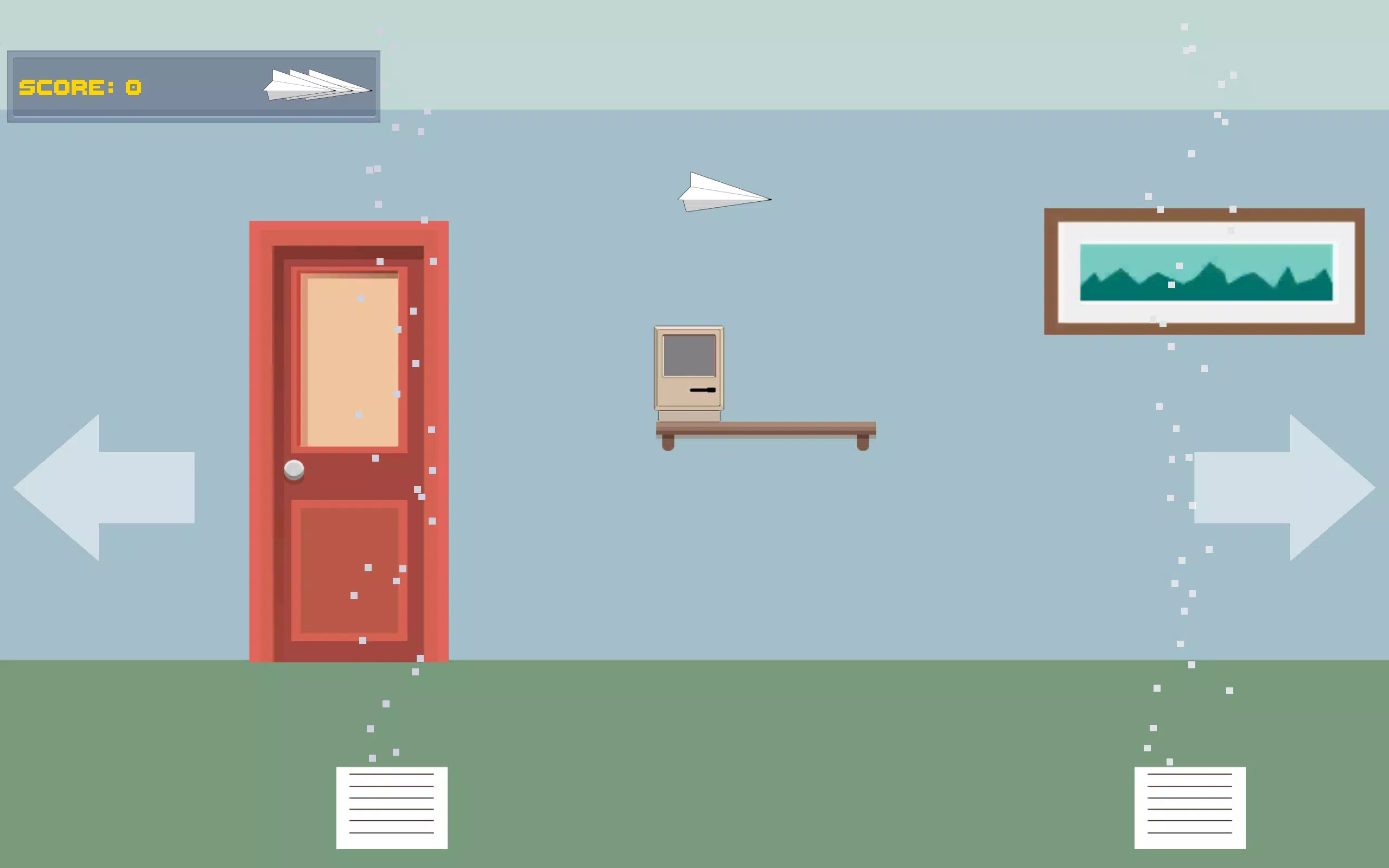
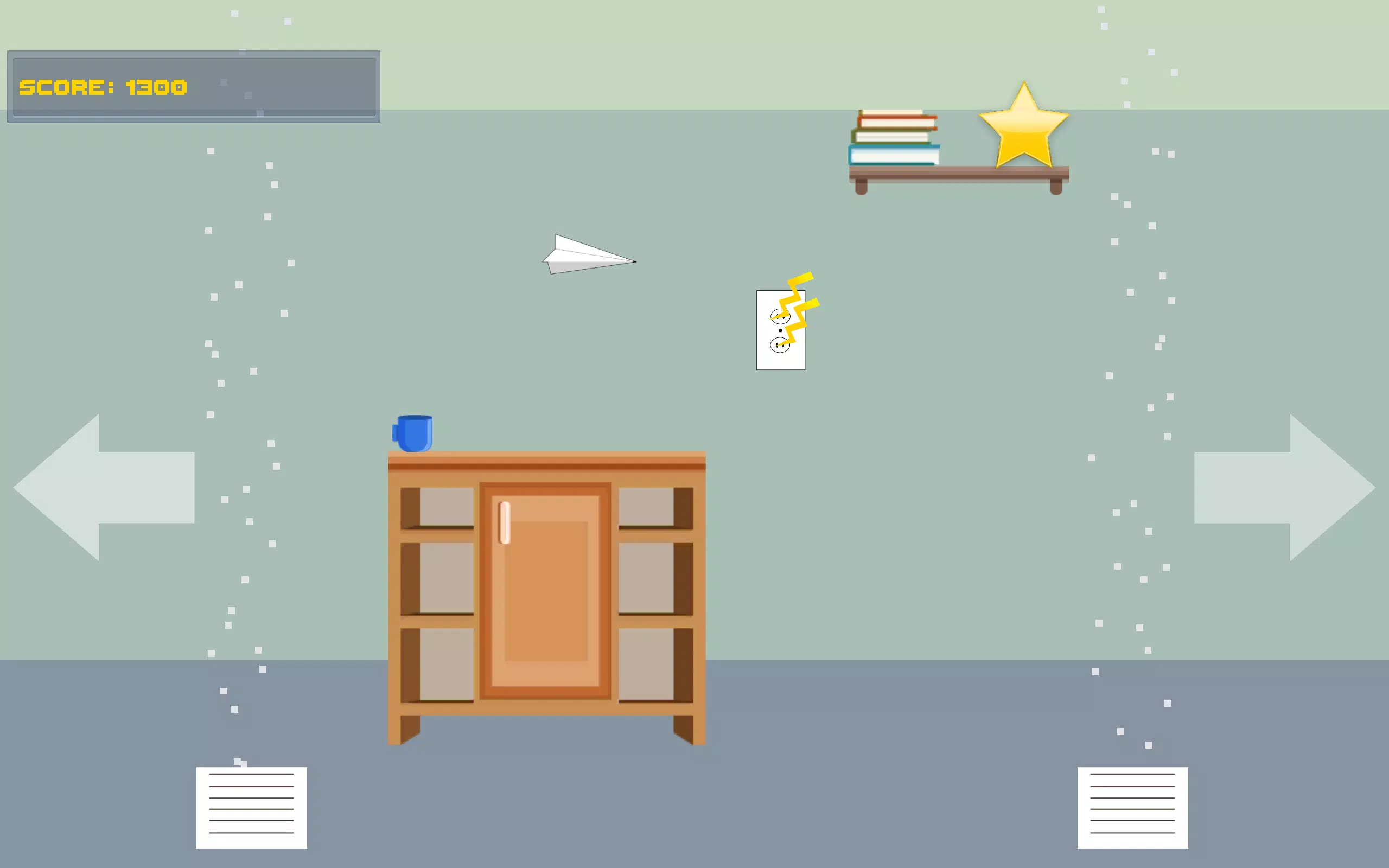
Paper Pilot puts you in control of a fragile paper glider as it drifts through the rooms of a quietly detailed house; the core loop balances precision flying with light puzzle-solving and rewards careful planning. Paper Pilot emphasizes simple inputs and moment-to-moment decision making: your glider has no engine, altitude is lost over time, and environmental airflow from floor vents and open windows is the primary means to stay aloft. This introduction explains how the game plays, what to expect from its levels and visuals, and why its blend of retro influence and modern polish makes it a distinct mobile experience.
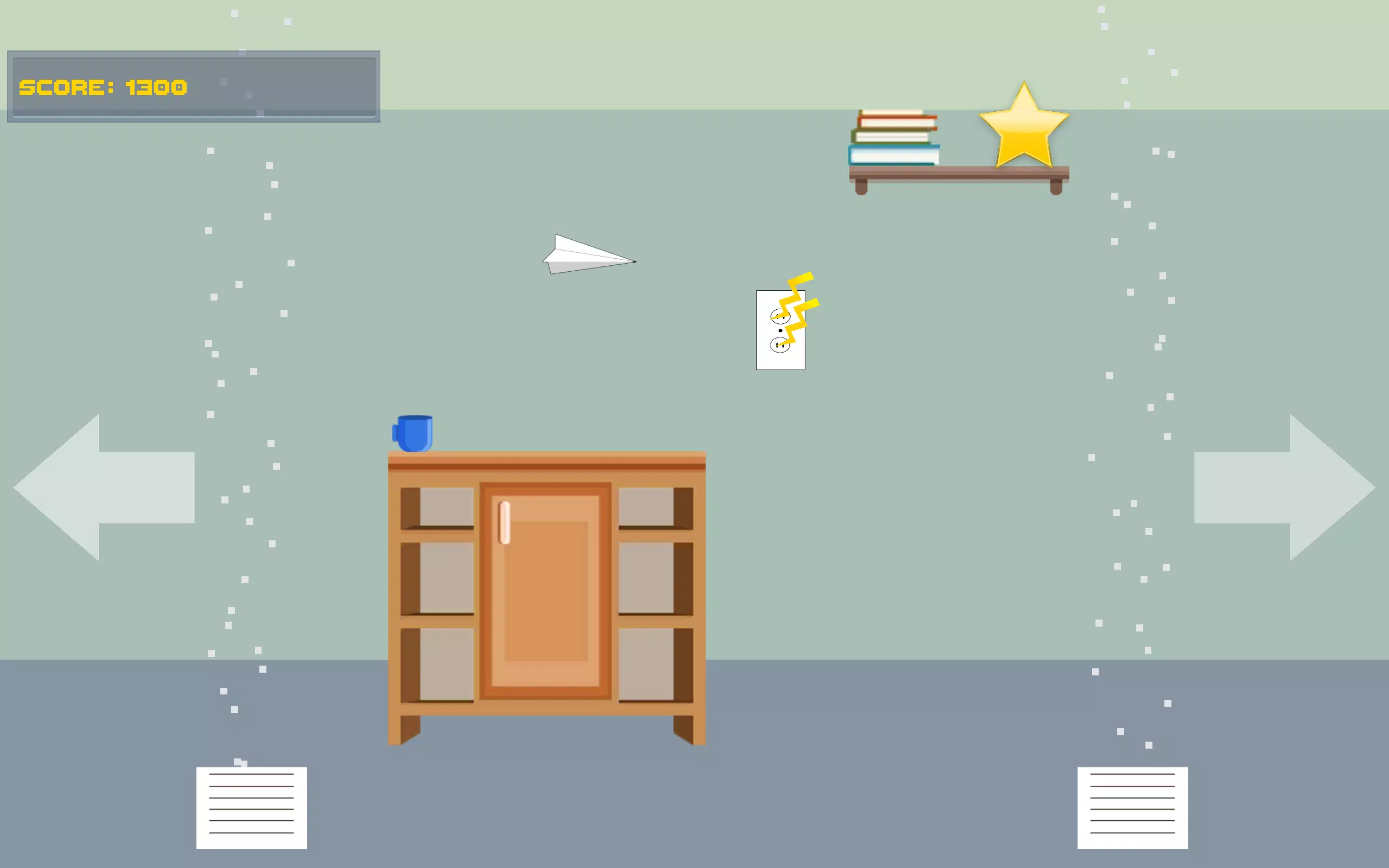
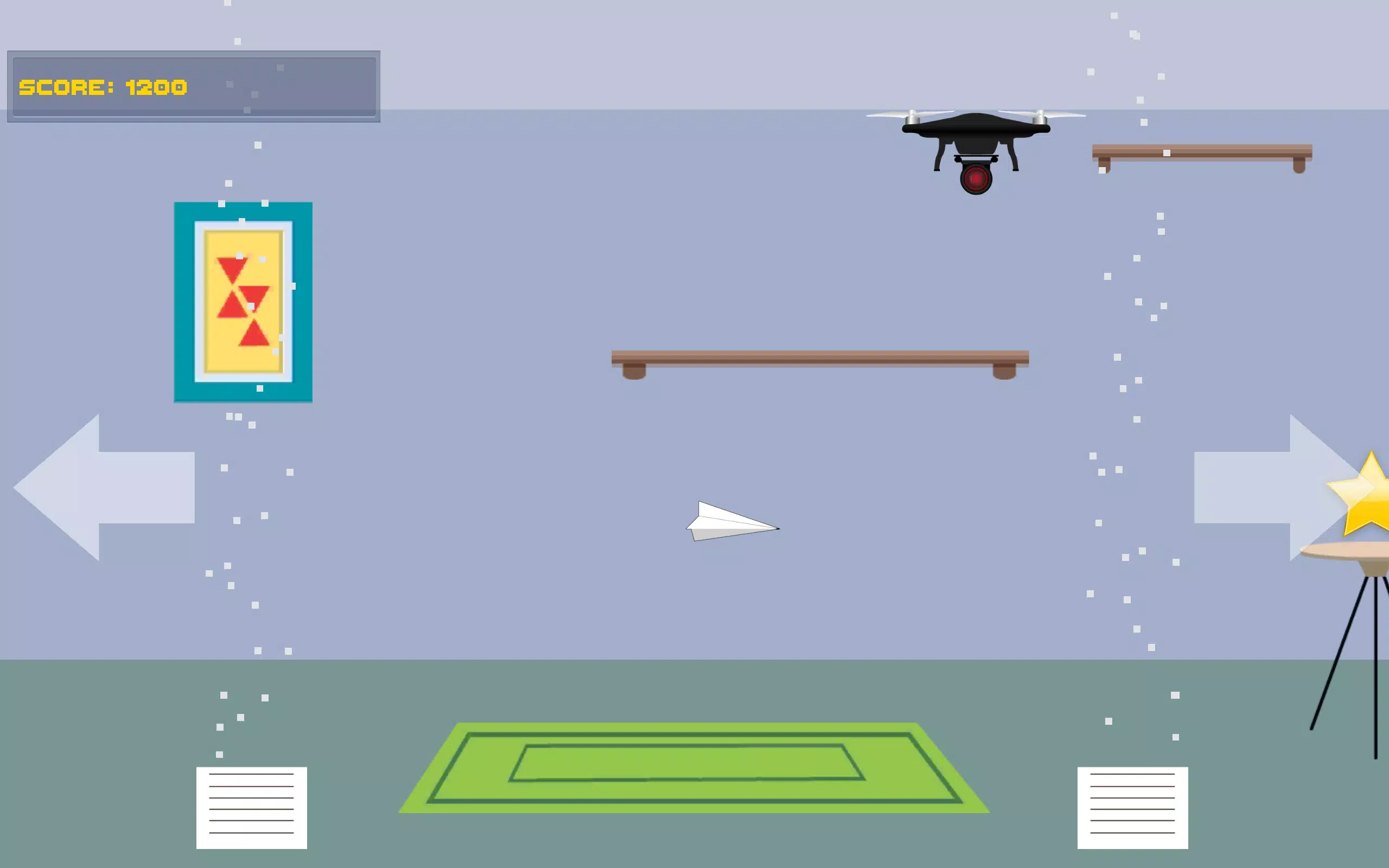
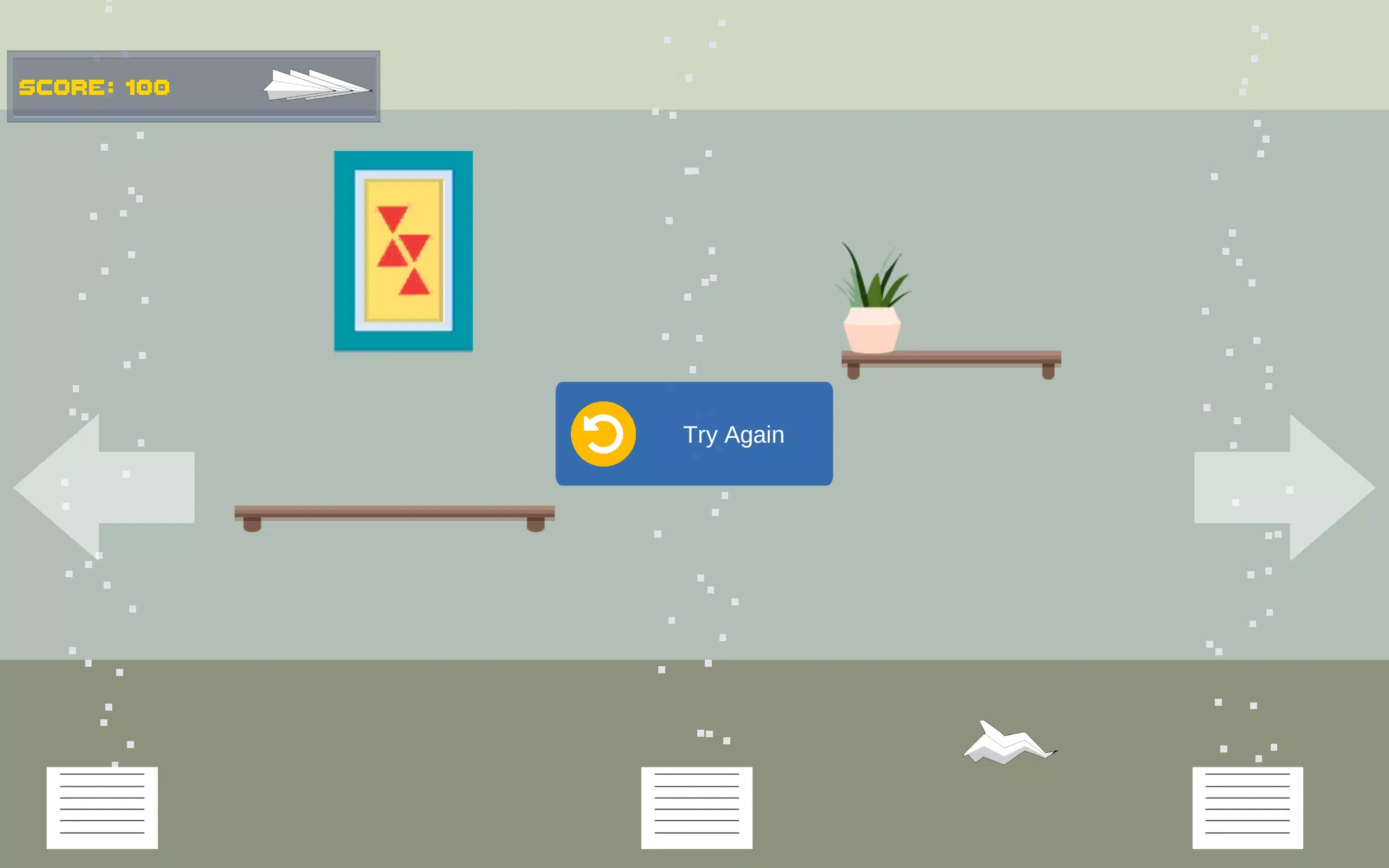
Flight is governed by a few clear rules that create depth from restraint. Steering uses left and right inputs while natural sink forces you to hunt for lift generated by vents, fans and drafty gaps between rooms. Objects such as furniture, computers, balloons and plants act as obstacles and opportunities: they block or channel air currents, require avoidance, or provide tight passages that reward careful timing. One-hit collisions lead to immediate crashes, so learning airflow patterns and practicing approach angles are essential parts of mastering each area.
Controls remain intentionally minimal to keep the focus on navigation and environmental reading rather than complex button combos. Touch or tilt control options are available on most devices, and sensitivity feels responsive on modern phones and tablets. The control scheme is approachable for casual players yet deep enough for precision runs; subtle changes in timing and angle can be the difference between a safe glide and a sudden crash. Tutorials are light and integrated into early rooms so players can learn by doing rather than wading through long instructions.
Levels are organized as a series of indoor areas that grow in complexity and require new tactics. Early rooms serve as practice spaces to teach vent timing and obstacle negotiation; later spaces introduce tighter corridors, layered furniture arrangements and sequences of gusts that must be chained together to reach objectives. Collectible stars are scattered through rooms to encourage exploration and alternative routes rather than a single safe line. While each room can be replayed for better scores, the structure encourages incremental mastery as you tackle progressively demanding layouts.
Paper Pilot borrows a retro sensibility from classic glider titles while presenting a clean, modern aesthetic suited to current devices. Lighting, simple textures and carefully chosen color palettes create a calm atmosphere that contrasts with the tension of precision flight. Animations for the paper glider and environmental effects such as fluttering curtains and rising dust give the house a lived-in feeling without overwhelming gameplay clarity. The audio design is understated, offering ambient cues that help indicate vents and drafts without distracting from control input.
Replayability comes from score-chasing, star collection and the natural challenge of shaving seconds off routes or avoiding crashes in tighter spaces. Rooms support multiple viable routes, and mastering the timing of air currents encourages experimentation. There are implicit challenge tiers in routine play: learning safe traversal, optimizing for efficiency, and executing riskier paths that yield higher scores. Personal bests and local score tracking motivate continued refinement even though the experience remains single-player and offline-friendly.
Designed to run smoothly on a range of mobile hardware, Paper Pilot favors lightweight visuals and straightforward physics so that device performance does not interfere with control precision. Adjustable sensitivity and optional visual aids can help players who prefer easier handling or clearer indicators of vent positions. The game is playable offline, making it convenient for short sessions without network dependency, and settings allow players to adapt the experience to their device and play style.
Start by flying conservatively to learn how vents interact with surrounding objects, then gradually push toward riskier lines to collect stars and improve scores. Use walls and furniture to shield against unexpected drafts, and remember that small steering corrections often work better than large, sudden inputs. Paper Pilot is about slow, steady learning: each room teaches a discrete set of challenges that build into satisfying mastery as you become fluent with the house’s airflow and timing.
My Dream Store
Size:215.30M PuzzleFlying Rahul Gandhi
Size:4.95M PuzzleMerge Magic!
Size:42.97M PuzzleClockmaker
Size:150.52M PuzzleWhere's My Perry?
Size:41.60M PuzzleMonument Valley 2
Size:282.69M PuzzleMerge Neon Car
Size:136.75M PuzzleCubeX - Solver, Timer, 3D Cube
Size:16.87M PuzzleMatch Factory
Size:228.55M PuzzleAntistress - relaxation toys Mod
Size:122.55M PuzzleMergic: Merge & Magic
Size:150.68M PuzzleMerge Mystery : Resort
Size:169.60M PuzzleApril 2024 Clash of Clans Update: Unveiling a Fresh Companion, Enhanced Levels, Chat Tagging, and Be
2024-04-16Arrival of Genshin Impact 4.6 Update: 'Embers of Two Realms, Twilight of Crimson'
2024-04-16V2.2 of the Farlight 84 update introduces an overhauled Season structure, fresh in-game currency, an
2024-04-16Monster Never Cry is now accessible on both Android and iOS mobile devices.
2024-04-18PUBG Mobile Teams Up with Bentley Motors: Luxury Cars, Exclusive Collectibles, and Beyond
2024-04-18March 2024 Free Redemption Codes for Honkai: Star Rail
2024-04-18