English
終焉のヒカリ drops you into a bleak, collapsed world where survival hinges on tactical choices, careful camp management and the cohesion of a fragile survivor community. In 終焉のヒカリ you alternate between quick, decision-rich skirmishes and longer-term base development: reclaim supplies in dangerous districts, then turn those resources into defenses, research and better equipment to sustain future expeditions. This introduction outlines the systems and player experience so you know what to expect before you install.
The heart of the experience is the link between field operations and a persistent outpost. Short missions put you in command of small squads that complete objectives such as supply recovery, reconnaissance and rescues. Success in these sorties directly feeds into base growth—materials recovered unlock construction options and fuel research. The gameplay emphasizes planning and adaptability rather than reflex-only combat, so players who enjoy layered decision-making will find the loop rewarding.
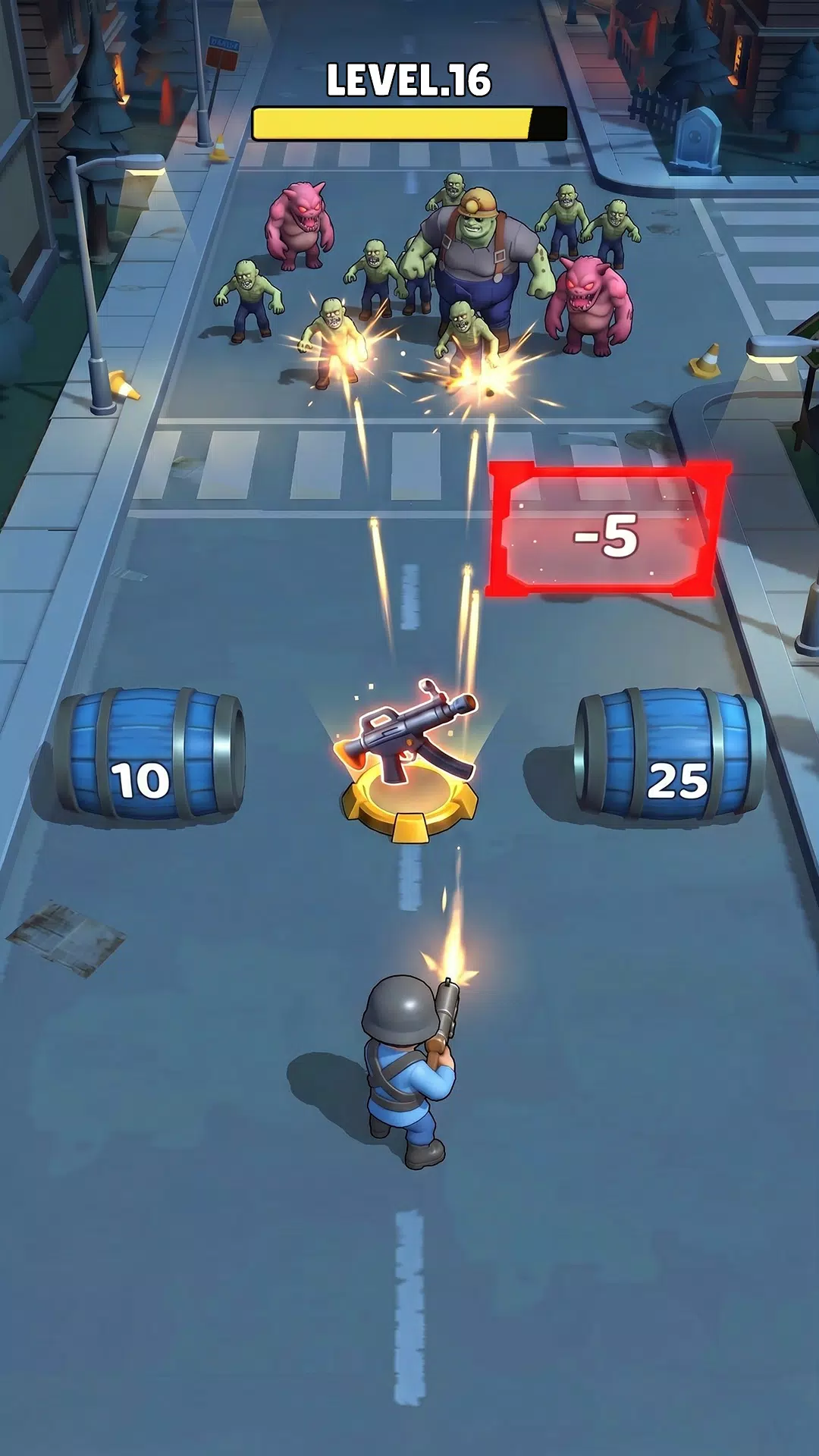
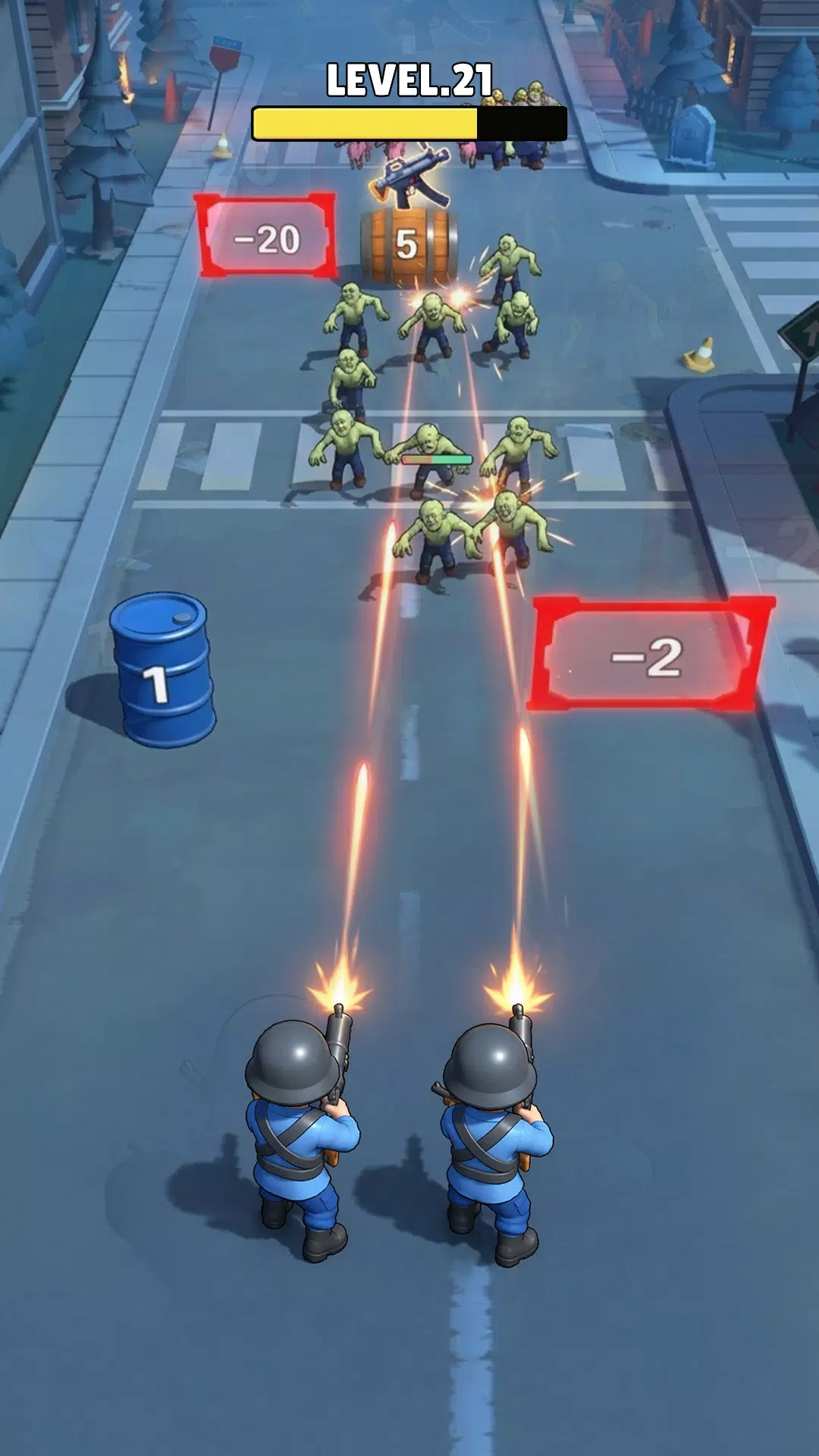
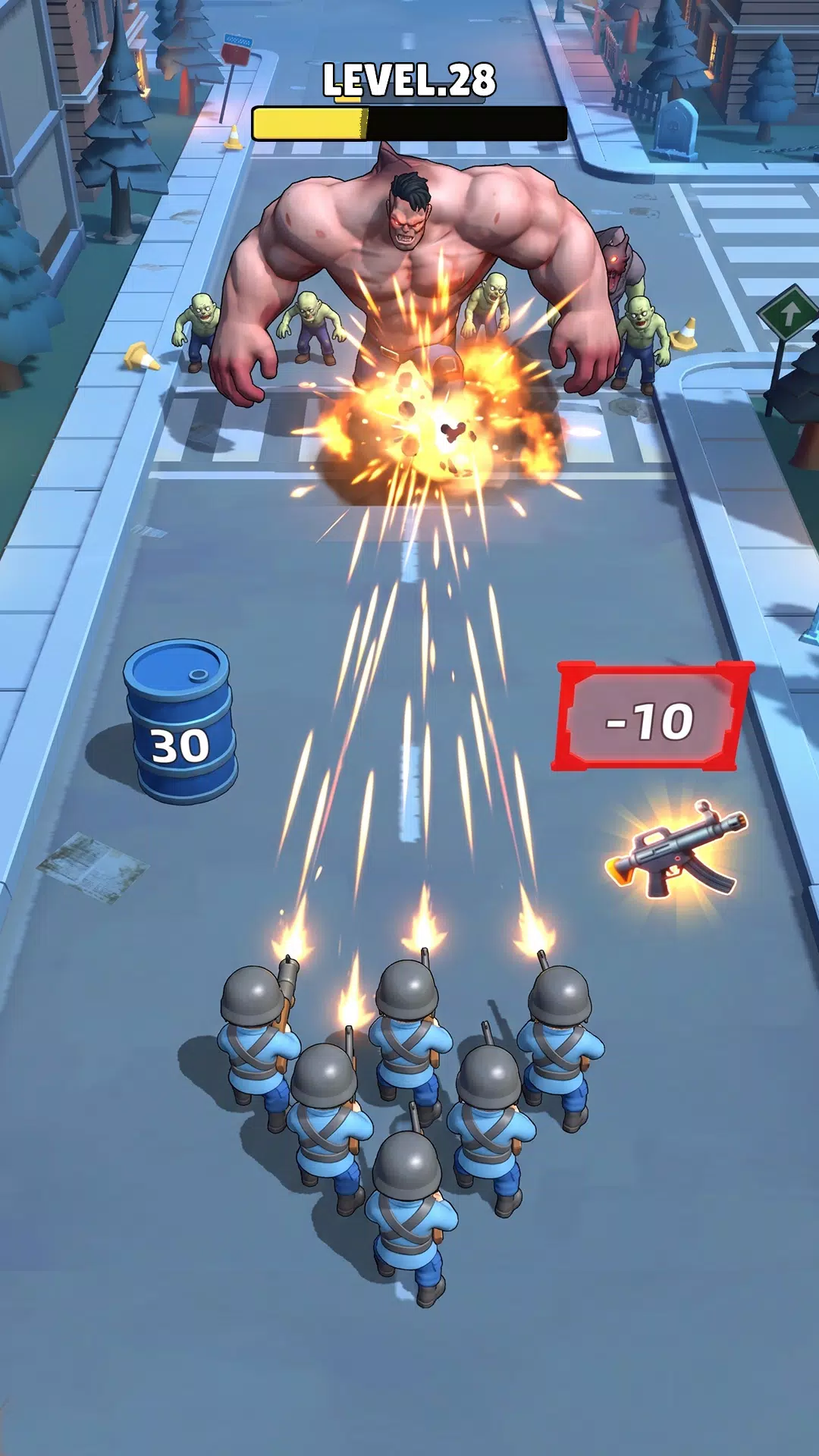
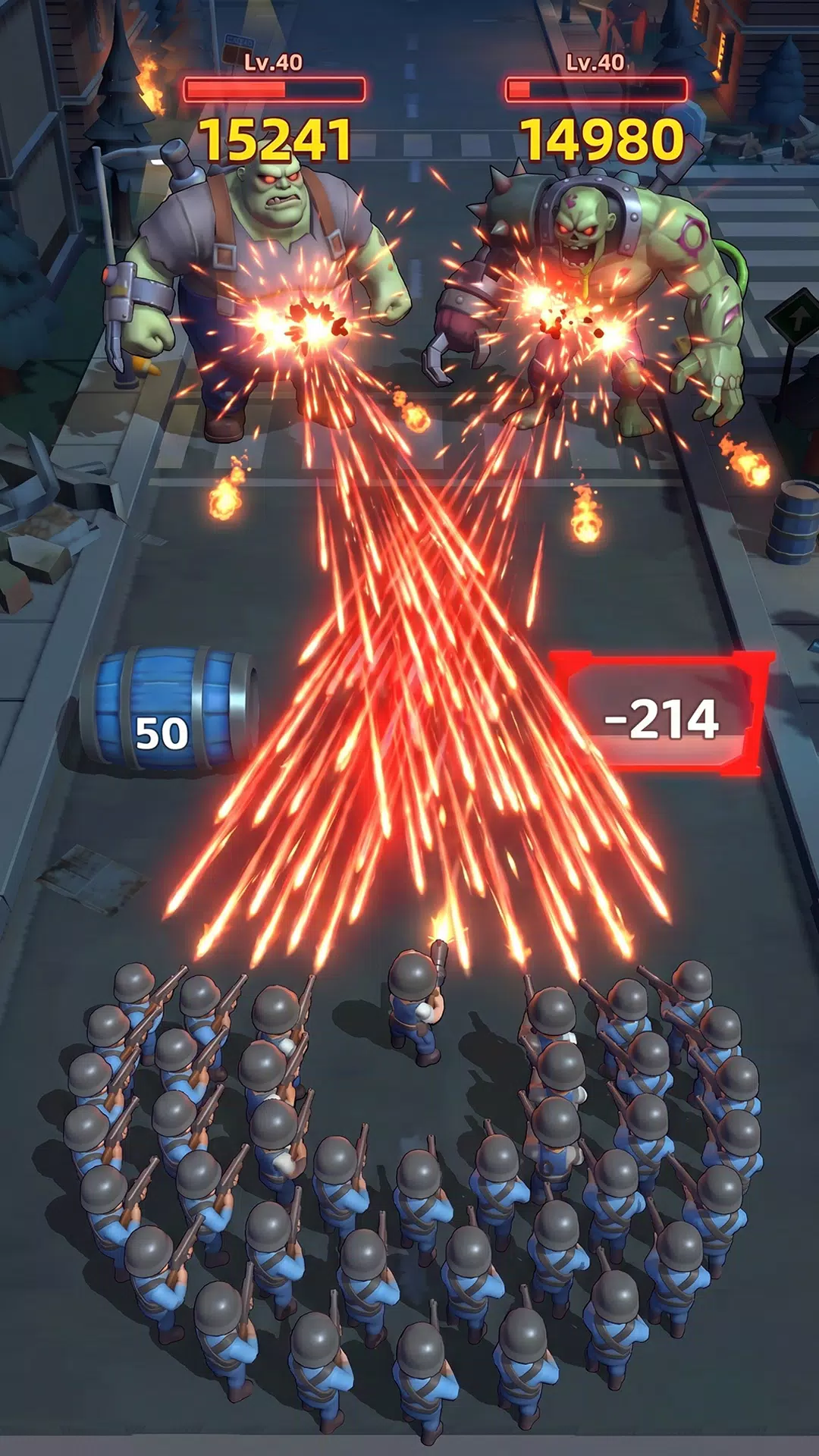
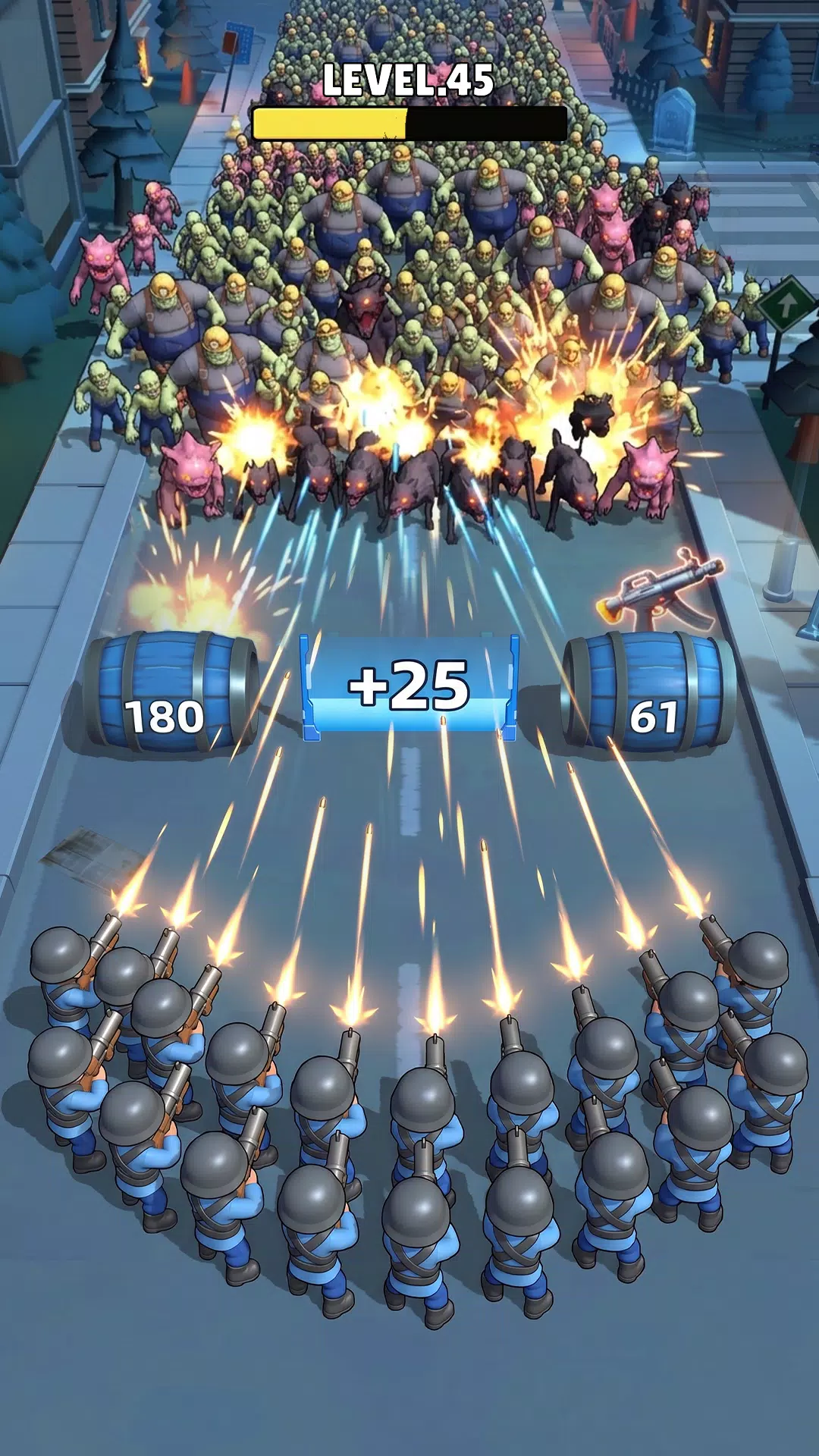
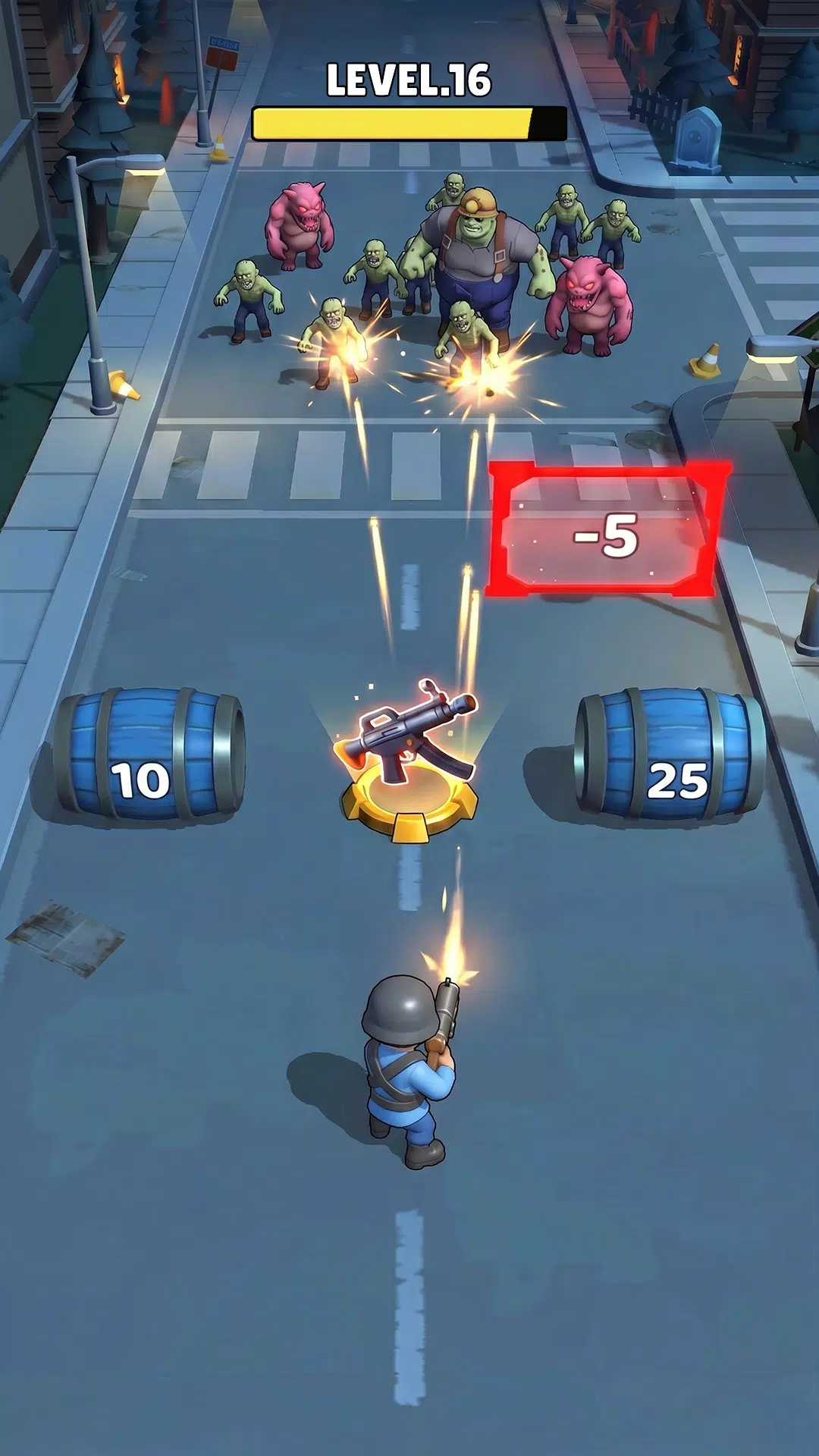
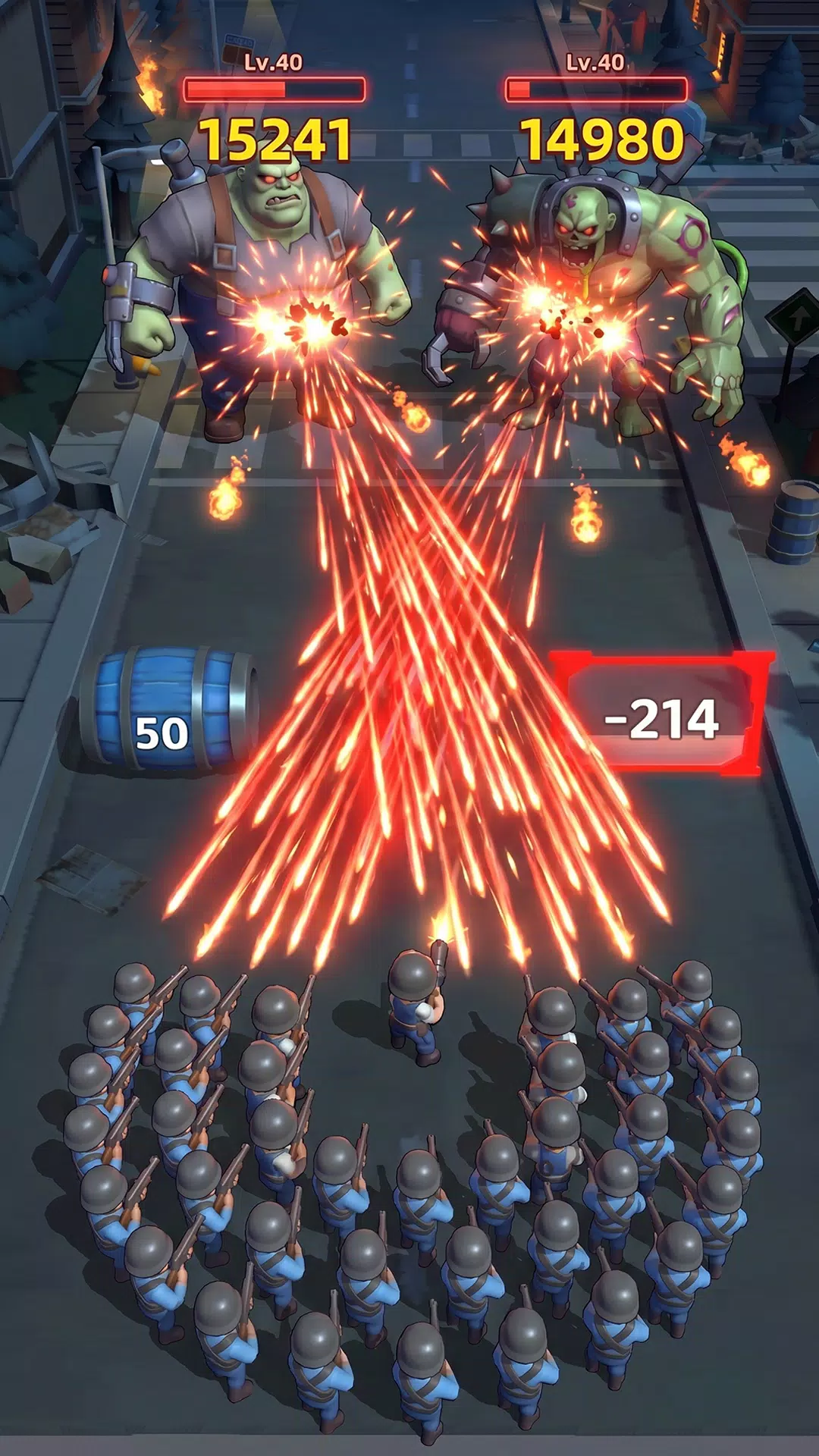
Combat is optimized for touch devices with intuitive gesture controls: drag-to-aim for heavier attacks, taps for quick orders and contextual gestures to trigger coordinated maneuvers or support barrages. The UI design intentionally reduces clutter so you can focus on positioning, timing and target selection. Encounters are resolve-oriented: taking cover, flanking and choosing when to use limited abilities matter more than raw tapping speed, which makes engagements accessible to a broad range of players.
Your outpost grows through construction, technology development and personnel management. Build walls, resource-processing facilities and research labs to unlock new passive bonuses, defensive structures and equipment upgrades. Research trees provide steady, meaningful choices—prioritize more efficient resource processing to support longer sorties, or invest in field support technologies that shift how squads perform in combat. Survivors themselves gain experience and skills, and assigning them to specialized roles affects both expedition success and base efficiency.
Missions are compact, self-contained levels set across ruined neighborhoods, industrial wreckage and fragmented urban zones. While level layouts can include fixed elements to establish tactical challenges, randomized loot placement and occasional emergent encounters keep runs fresh. Objectives vary to encourage different approaches: some runs favor stealth and reconnaissance, others reward aggressive clearance and material haul. Exploration also uncovers story fragments and faction motivations, helping to explain the world’s decline over time.
Customization spans aesthetic and mechanical choices. Equip survivors with varied loadouts, select defensive modules for your camp and tailor research priorities to match your preferred playstyle. These choices influence how you approach missions—defensive players can build layered fortifications and automation, while aggressive players may optimize squads for raid efficiency to secure rare resources. The combination of equipment, base modules and survivor roles creates meaningful variation in strategy and replayability.
The game supports different pacing and difficulty settings to suit casual and tactical players alike. Story missions and steady base development provide a relaxed experience, while optional harder missions impose stricter resource constraints and demand tighter squad coordination. Randomized loot and varying enemy placements ensure familiar maps still offer new tactical problems, and the dual focus on micro-level combat and macro-level base management produces a layered challenge that encourages experimentation.
The presentation favors a muted, atmospheric palette that reinforces the sense of decline while keeping UI elements clear and readable. Unit icons, resource indicators and building menus are designed for quick comprehension so strategic information is available even during intense moments. Loading times and menu navigation are streamlined to reduce friction between missions and base planning phases, helping maintain a steady play rhythm.
終焉のヒカリ includes adjustable difficulty, clear tutorials and control sensitivity options to accommodate different devices and player skill levels. Many core systems are playable offline, allowing single-player progression through campaigns and base upgrades without constant network access; certain cooperative or social features may require connectivity for synchronization. Performance options help the game run smoothly on a range of hardware while preserving the tactical clarity that the design requires.
Players who enjoy thoughtful planning, resource balancing and tactical positioning will find the interplay between combat and camp management compelling. Newcomers to strategy games may face a learning curve as they learn to balance morale, supplies and squad roles, but built-in tutorials and gradual pacing are intended to ease that transition. 終焉のヒカリ rewards careful decisions over time and provides tools to refine strategies as you expand your refuge and explore more dangerous zones.
My Dream Store
Size:215.30M PuzzleFlying Rahul Gandhi
Size:4.95M PuzzleMerge Magic!
Size:42.97M PuzzleClockmaker
Size:150.52M PuzzleWhere's My Perry?
Size:41.60M PuzzleMonument Valley 2
Size:282.69M PuzzleMerge Neon Car
Size:136.75M PuzzleCubeX - Solver, Timer, 3D Cube
Size:16.87M PuzzleMatch Factory
Size:228.55M PuzzleAntistress - relaxation toys Mod
Size:122.55M PuzzleMergic: Merge & Magic
Size:150.68M PuzzleMerge Mystery : Resort
Size:169.60M PuzzleApril 2024 Clash of Clans Update: Unveiling a Fresh Companion, Enhanced Levels, Chat Tagging, and Be
2024-04-16Arrival of Genshin Impact 4.6 Update: 'Embers of Two Realms, Twilight of Crimson'
2024-04-16V2.2 of the Farlight 84 update introduces an overhauled Season structure, fresh in-game currency, an
2024-04-16Monster Never Cry is now accessible on both Android and iOS mobile devices.
2024-04-18PUBG Mobile Teams Up with Bentley Motors: Luxury Cars, Exclusive Collectibles, and Beyond
2024-04-18March 2024 Free Redemption Codes for Honkai: Star Rail
2024-04-18