English
Don’t Breathe is a narrative-driven indie game that puts you in a tense, adult-themed story. Don’t Breathe follows Ace, a performer in the adult film industry, when his employer decides to stage a production inside an old mansion just before Halloween. Don’t Breathe blends character-focused scenes, atmospheric exploration, and morally charged decisions to create a mature, story-led experience for players interested in fictionally grounded drama.
This title emphasizes narrative over arcade action, with a central focus on Ace and the ensemble of characters he meets in the mansion. The game presents an adult-themed storyline handled in a neutral, informational tone rather than explicit content, and it situates much of the action during a Halloween-set sequence inside an eerie, isolated house. Players will encounter dialogue-driven scenes, exploratory moments, and situational drama designed to build tension and reveal motivations.
Gameplay in Don’t Breathe centers on exploration and story choices rather than combat. You move through interconnected rooms of the mansion, examine details and props that reveal character backstory, and trigger scenes by interacting with objects and people. Decision points appear throughout play and influence short-term relationships and long-term outcomes; some scenes include light puzzle-solving and observation-based challenges that require attention to environment and dialogue cues rather than reflex-heavy inputs.
The mobile-friendly control scheme is intentionally simple: tap to interact with objects and characters, drag or swipe to look around scenes, and use on-screen prompts to select dialogue or make narrative decisions. The user interface presents contextual buttons for inventory or scene choices when relevant, and control sensitivity and layout can be adjusted in settings to match different play preferences. The controls are designed to be approachable for touch devices while preserving precise interaction for exploration and discovery.
Progression in Don’t Breathe is chapter-based and driven by scenes rather than levels. Each chapter reveals new areas of the mansion and advances the central production storyline, while player choices open or close specific interactions and subplots. The game tracks decisions so you can revisit chapters to see alternate sequences or outcomes; this structure encourages careful reading of character cues and exploration of optional scenes to understand the full narrative arc.
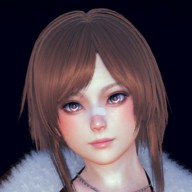
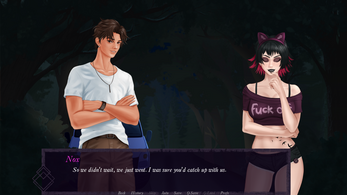
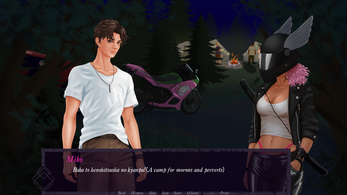
The visual presentation favors moody lighting, shadowed interiors, and period details that support a Halloween atmosphere without sensationalizing mature content. Room design emphasizes realistic decoration and layered storytelling: props, notes, and set pieces provide contextual clues that reward close inspection. The mansion is organized into interconnected zones rather than isolated mini-levels, enabling a paced, exploratory flow where discovery and scene placement create the sense of an unfolding mystery.
Rather than character customization, Don’t Breathe focuses on playback and accessibility options that let players tailor their experience. Adjustable text size, subtitle toggles, UI scaling, and control remapping allow you to set comfortable display and input preferences. Audio options include separate volume sliders for music, ambient sound, and dialogue, so you can emphasize voice performances or environmental cues according to taste.
The narrative branching and optional scenes provide the primary replay incentive: different choices lead to alternate character reactions and multiple possible conclusions. Optional observational challenges and light puzzles offer additional difficulty for players who want tests of attention and deduction; these are designed to be meaningful to the story rather than artificial obstacles. Replayability comes from exploring unseen scenes, trying different decision paths, and uncovering the full picture of Ace’s circumstances.
Don’t Breathe supports offline single-player play so you can experience the full story without a constant internet connection. Accessibility features include clear subtitle presentation, contrast-aware UI elements, and configurable controls to accommodate a range of devices and player needs. The game’s pacing supports save points and autosaves placed at narrative beats to reduce friction for shorter play sessions.
Don’t Breathe was developed and released by Alisindra Games, an independent studio known for narrative-focused projects. The team emphasizes character work, atmosphere, and writing-driven design in this release, choosing to explore mature themes in a restrained, story-first manner.
This listing corresponds to version 0.5.0 and includes the chapter content and accessibility updates described above. Future updates may expand optional scenes and fine-tune interface options, but the current build delivers the core narrative experience and exploration systems for single-player play.



Cum in Out
Size:99.19M Casual2jbet Game
Size:12.94M CasualAlabell
Size:2016.37M CasualTrick or Ahri
Size:93.31M CasualRed snow
Size:216.55M CasualSumod.beta
Size:5.08M CasualTwo Weeks On
Size:123.18M CasualTightfault Revamp Edit
Size:1.14M CasualXSerum
Size:950.87M CasualDouble Homework - Remaster
Size:1310.88M CasualDevious Work : Demo
Size:92.25M CasualKnödel TD
Size:74.40M CasualApril 2024 Clash of Clans Update: Unveiling a Fresh Companion, Enhanced Levels, Chat Tagging, and Be
2024-04-16Arrival of Genshin Impact 4.6 Update: 'Embers of Two Realms, Twilight of Crimson'
2024-04-16V2.2 of the Farlight 84 update introduces an overhauled Season structure, fresh in-game currency, an
2024-04-16Monster Never Cry is now accessible on both Android and iOS mobile devices.
2024-04-18PUBG Mobile Teams Up with Bentley Motors: Luxury Cars, Exclusive Collectibles, and Beyond
2024-04-18March 2024 Free Redemption Codes for Honkai: Star Rail
2024-04-18