English
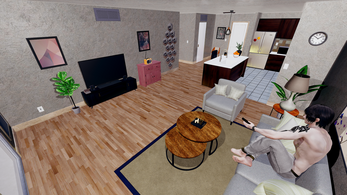
Lust Quarantine places you inside a tense, single-location survival mystery where every object and camera feed can change the way the story unfolds. Lust Quarantine is a point-and-click, slow-burn narrative game built around day-by-day progression and atmosphere; you play a lone protagonist who seals himself in his apartment after discovering a troubling document and watches the outside world through CCTV. The first episode serves as a foundation, with clear intent from the developer to expand the experience episodically as new content is added.
The core loop of Lust Quarantine revolves around careful observation, exploration, and using a mostly functional in-game computer to monitor hallway cameras and trigger interactions. Players examine hotspots, collect and combine items, and use context-sensitive actions to progress. Puzzles are grounded in environmental clues and timed events: certain interactions are only available on particular days, and understanding the apartment's layout and the CCTV network is essential for piecing together the narrative. The game favors deliberate, methodical play over fast reflexes, rewarding players who read notes, replay camera feeds, and test combinations of objects.
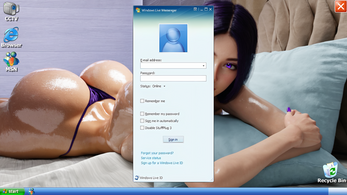
Controls are optimized for point-and-click play with mouse or touch input. Click and tap to inspect, pick up, and use items; a simple inventory system organizes collected objects and allows drag-and-drop combinations where appropriate. The in-game computer mimics a desktop interface with multiple windows for messages, logs, and camera feeds; it supports basic navigation using either pointer controls or touchscreen gestures. UI settings include text scaling and cursor sensitivity to help tailor the experience to different devices and play styles.
Progression in Lust Quarantine is driven by a dynamic Days system: each new day can alter the apartment, unlock new interactions, and present fresh information via CCTV. This episodic framing allows early episodes to establish story beats and systems while later updates introduce more branching content. Day 1 focuses on core mechanics and atmosphere, laying groundwork for narrative threads that will evolve. Choices are subtle and observational rather than overtly branching, so progression emphasizes discovery and the cumulative effect of small actions across multiple days.
The visual approach supports an intimate, claustrophobic mood: lighting, shadow, and carefully framed interiors emphasize the apartment's details and the passage of time. Sound design and ambient audio are used to heighten tension—distant noises on camera, the hum of electronics, and sparse music cues that shift with each day. The game's presentation is intended to draw attention to tiny changes in the environment and the feelings those changes provoke, rather than flashy animation or large-scale set pieces.
Replayability comes from exploring different sequences, locating hidden interactions, and revisiting camera feeds after new events occur. Because certain options become available only later in a playthrough, revisiting earlier days with new knowledge can reveal missed details. The challenge is primarily investigative: piecing together clues, managing limited interactions across days, and deciding which leads to pursue. For players who enjoy methodical exploration and narrative puzzles, this structure encourages multiple short play sessions and thoughtful replays.
The game is designed to be playable offline as a single-player experience, with no online accounts or multiplayer features required. Accessibility options include adjustable text size, clear on-screen prompts, and flexible control sensitivity for both mouse and touch devices. Performance is tuned for compact single-location gameplay to keep load times minimal and make the game approachable on a range of Android devices.
Lust Quarantine is an independent, small-team project currently in early production. Episode 1 (Day 1) is the initial release and is intended as a stable foundation; the developer plans to expand content episodically, adding new days, interactions, and refinements to the in-game computer and camera systems over time. The development approach is iterative and community-informed, with future updates aimed at deepening the narrative, adding more interactivity inside the apartment, and polishing accessibility and UI features based on player feedback.

Cum in Out
Size:99.19M Casual2jbet Game
Size:12.94M CasualAlabell
Size:2016.37M CasualTrick or Ahri
Size:93.31M CasualRed snow
Size:216.55M CasualSumod.beta
Size:5.08M CasualTwo Weeks On
Size:123.18M CasualTightfault Revamp Edit
Size:1.14M CasualXSerum
Size:950.87M CasualDouble Homework - Remaster
Size:1310.88M CasualDevious Work : Demo
Size:92.25M CasualKnödel TD
Size:74.40M CasualApril 2024 Clash of Clans Update: Unveiling a Fresh Companion, Enhanced Levels, Chat Tagging, and Be
2024-04-16Arrival of Genshin Impact 4.6 Update: 'Embers of Two Realms, Twilight of Crimson'
2024-04-16V2.2 of the Farlight 84 update introduces an overhauled Season structure, fresh in-game currency, an
2024-04-16Monster Never Cry is now accessible on both Android and iOS mobile devices.
2024-04-18PUBG Mobile Teams Up with Bentley Motors: Luxury Cars, Exclusive Collectibles, and Beyond
2024-04-18March 2024 Free Redemption Codes for Honkai: Star Rail
2024-04-18