English
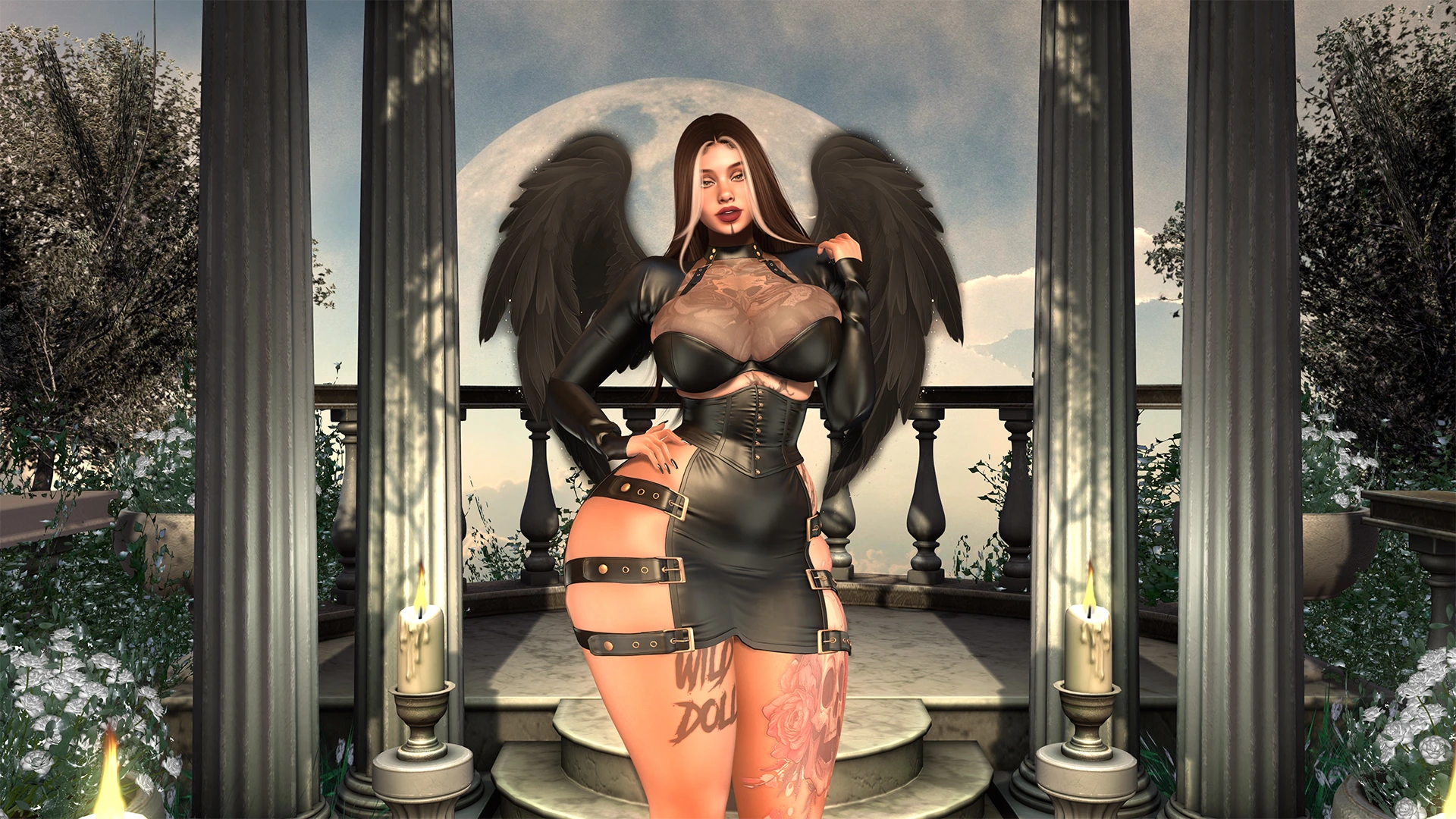
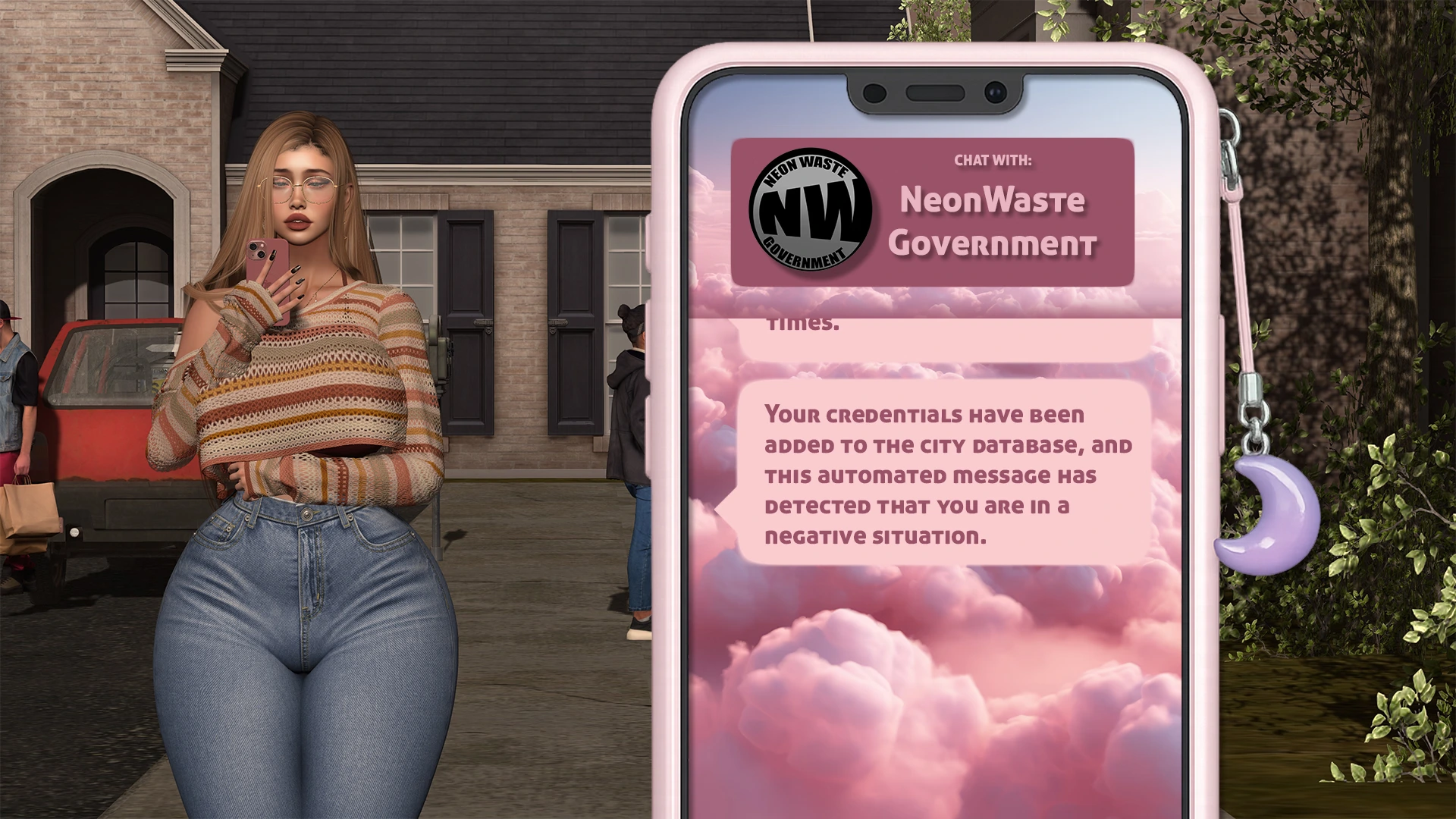
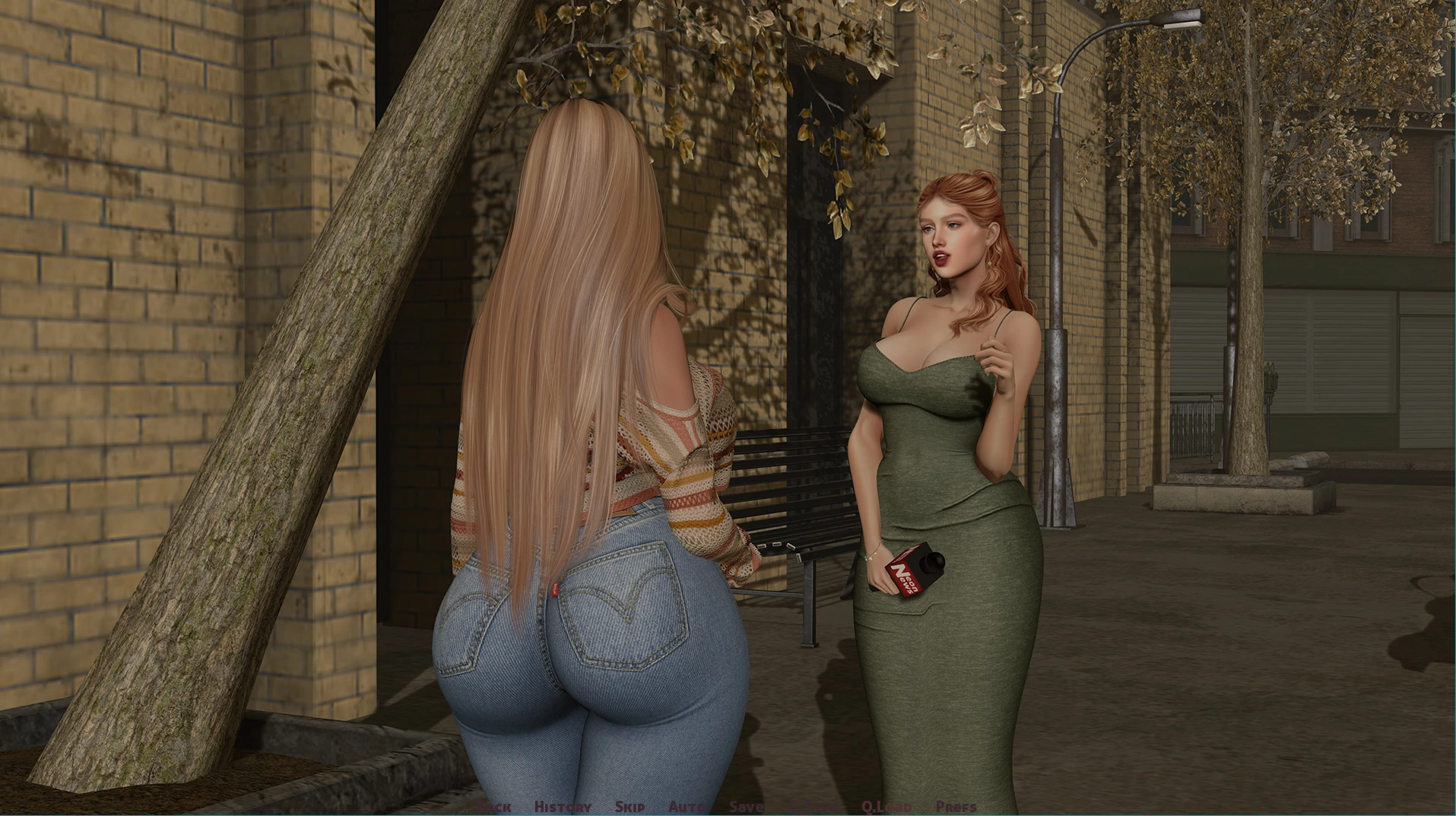
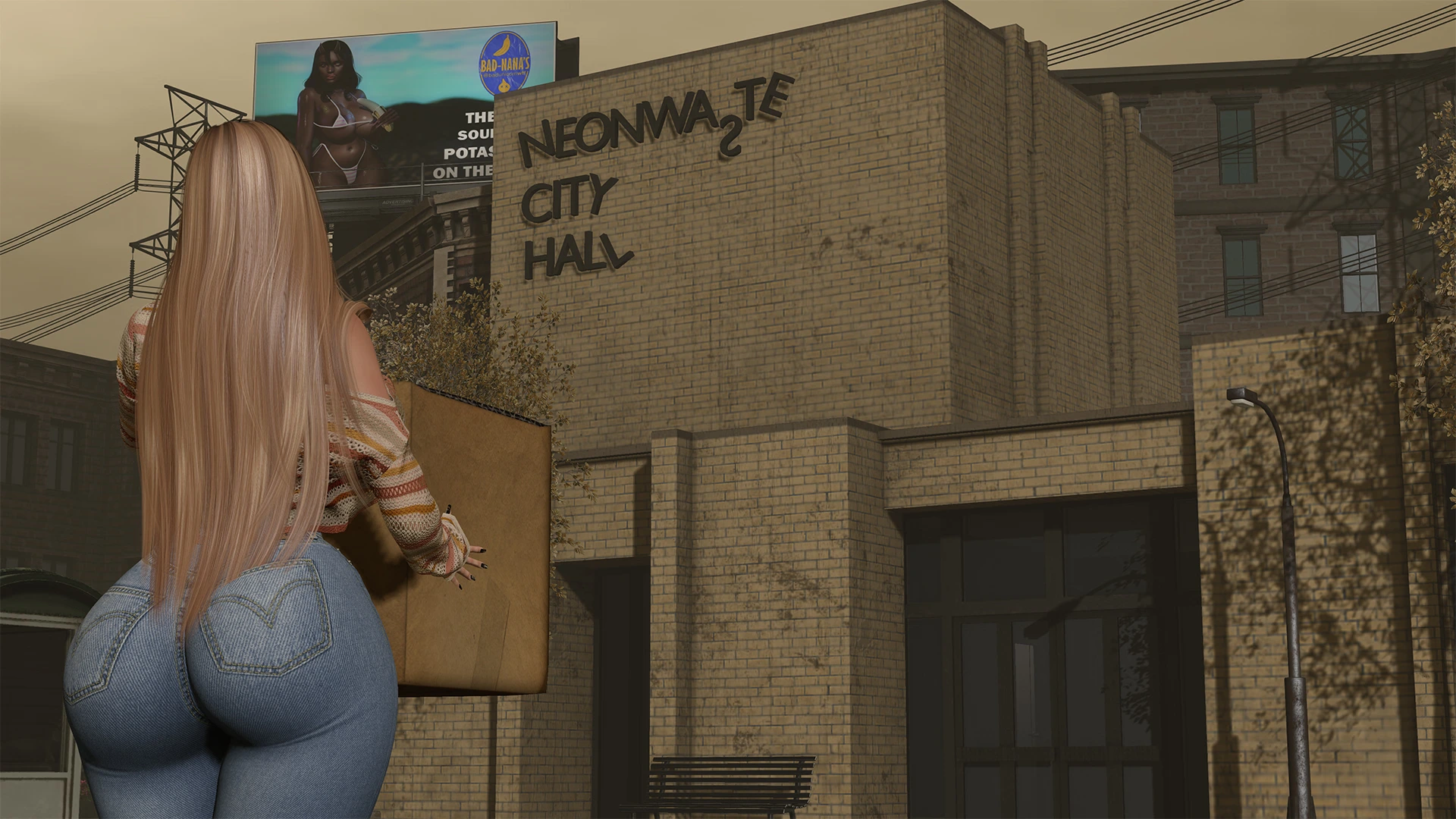
Dystopia: Under the Eclipse drops players into a grim, neon-soaked megacity and follows Viviann after she loses her home to a ruthless megacorporation. This opening chapter introduces the world of NeonWaste, the shadowy Eclipse Club, and a narrative that emphasizes choice, consequence, and atmosphere. Dystopia: Under the Eclipse is designed as a compact, story-first experience that favors morally ambiguous decisions and character-driven scenes over fast action, making it ideal for players who value mood, pacing, and careful exploration.
The game blends point-and-tap exploration with branching dialogue and scene-based interactions. Players navigate environments by tapping to move and selecting contextual interactions to examine objects, talk to characters, or trigger story beats. Conversation trees present multiple options that reveal backstory, influence relationships, or open alternative paths; choices are often subtle and affect how characters respond in later scenes. Controls are touch-optimized for phones and tablets, with clear menus for saving, loading, and reviewing key decisions. Interaction prompts are intentionally unobtrusive to preserve immersion while remaining responsive for players new to narrative games.
Dystopia: Under the Eclipse is structured as the first chapter of a larger narrative arc. Progression is driven by scene completion and the choices you make, which unlock different story threads and alter the protagonist's relationships and available locations. Rather than traditional leveling, progression emphasizes narrative state: flags for trust, reputation within social circles, and access to secret scenes in the Eclipse Club. Players can replay the chapter to explore alternate decisions and uncover hidden story elements that were not available on the first pass, giving the chapter built-in replay value without requiring additional game systems.
The visual presentation leans into a cyberpunk aesthetic with rain-slick streets, neon signage, and contrasting pockets of shadow to heighten atmosphere. Scenes mix detailed background art with character portraits and subtle lighting effects that change based on narrative context. Sound design and music play a major role in setting tone: ambient synth textures, sparse beats, and contextual audio cues reinforce mood and emotional beats. The combination of visuals and audio aims to make each scene feel like a self-contained cinematic moment while contributing to an overarching sense of decay and tension in NeonWaste.
Challenge in the game comes from moral dilemmas, resourceful decision-making, and navigating relationships under pressure. Some choices create immediate consequences in dialogue or access to information, while others have delayed effects that change how later scenes play out. Optional investigative moments allow players to piece together clues from locations and conversations, rewarding careful observation. These systems are narrative-first: the tension arises from the weight of decisions rather than from reflex-based difficulty, and players can approach situations with curiosity, caution, or confrontation depending on their preferred style.
While the game focuses on story rather than mechanical customization, player agency shows up through choice-driven characterization and branching scenes. Different dialogue paths shape Viviann's personality, alliances, and the way other characters treat her, which encourages multiple playthroughs to see alternate outcomes and hidden sequences. The interface supports quick saves and a clear journal that records major decisions so players can experiment without losing track of narrative consequences. Overall user experience aims to balance accessibility with depth: scenes load quickly, controls remain uncluttered, and narrative pacing is tuned for mobile play sessions.
Dystopia: Under the Eclipse includes accessibility options designed to help a wider range of players engage with the story. Adjustable text size, readable fonts, subtitle toggles, and UI scaling make conversations easier to follow on different screen sizes. Visual contrast and color considerations improve legibility, and controls remain consistent when playing offline; the core chapter can be experienced without an internet connection, allowing players to progress, save locally, and return later without disruption.
Moonlight Creations Games developed this chapter and describes it as an evolving release with ongoing improvements and content additions planned. The current release is version 0.2.8, which focuses on refining dialogue options, polishing scene transitions, and addressing accessibility feedback from early players. If you appreciate immersive, choice-driven storytelling and atmospheric urban worlds, Dystopia: Under the Eclipse offers a thoughtful introduction to Viviann's journey and sets the stage for subsequent chapters that will expand narrative scope and depth.

Cum in Out
Size:99.19M Casual2jbet Game
Size:12.94M CasualAlabell
Size:2016.37M CasualTrick or Ahri
Size:93.31M CasualRed snow
Size:216.55M CasualSumod.beta
Size:5.08M CasualTwo Weeks On
Size:123.18M CasualTightfault Revamp Edit
Size:1.14M CasualXSerum
Size:950.87M CasualDouble Homework - Remaster
Size:1310.88M CasualDevious Work : Demo
Size:92.25M CasualKnödel TD
Size:74.40M CasualApril 2024 Clash of Clans Update: Unveiling a Fresh Companion, Enhanced Levels, Chat Tagging, and Be
2024-04-16Arrival of Genshin Impact 4.6 Update: 'Embers of Two Realms, Twilight of Crimson'
2024-04-16V2.2 of the Farlight 84 update introduces an overhauled Season structure, fresh in-game currency, an
2024-04-16Monster Never Cry is now accessible on both Android and iOS mobile devices.
2024-04-18PUBG Mobile Teams Up with Bentley Motors: Luxury Cars, Exclusive Collectibles, and Beyond
2024-04-18March 2024 Free Redemption Codes for Honkai: Star Rail
2024-04-18