English
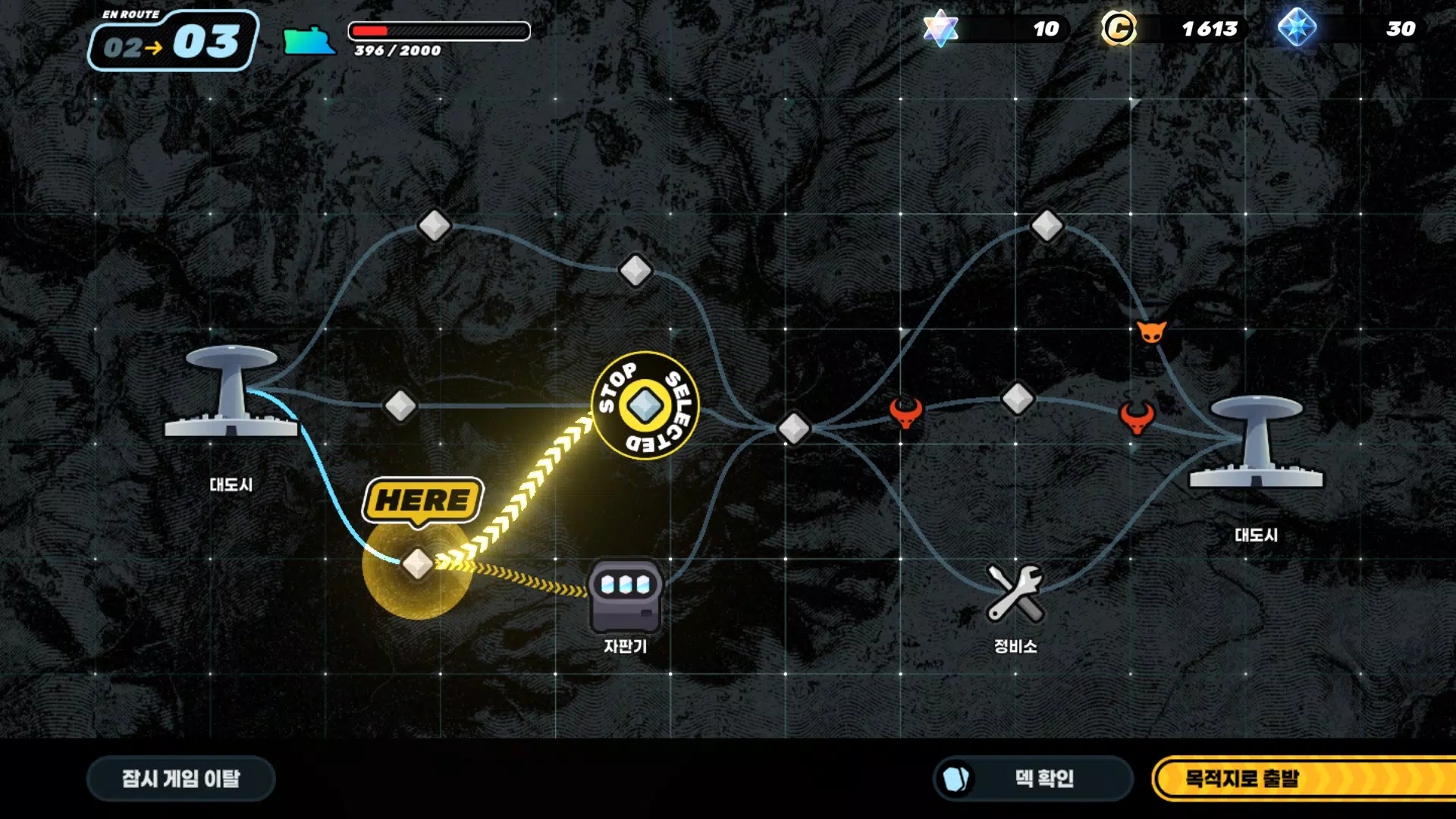
Card Train places you in command of an endlessly racing battle train that combines deck-building strategy with live-action tower-defense tactics. In Card Train you must manage rapid card draws, resource costs, and car upgrades while steering your convoy along branching routes through hostile urban environments; the opening moments teach you core interactions, and subsequent runs test how well you can balance split-second decisions with longer-term planning.
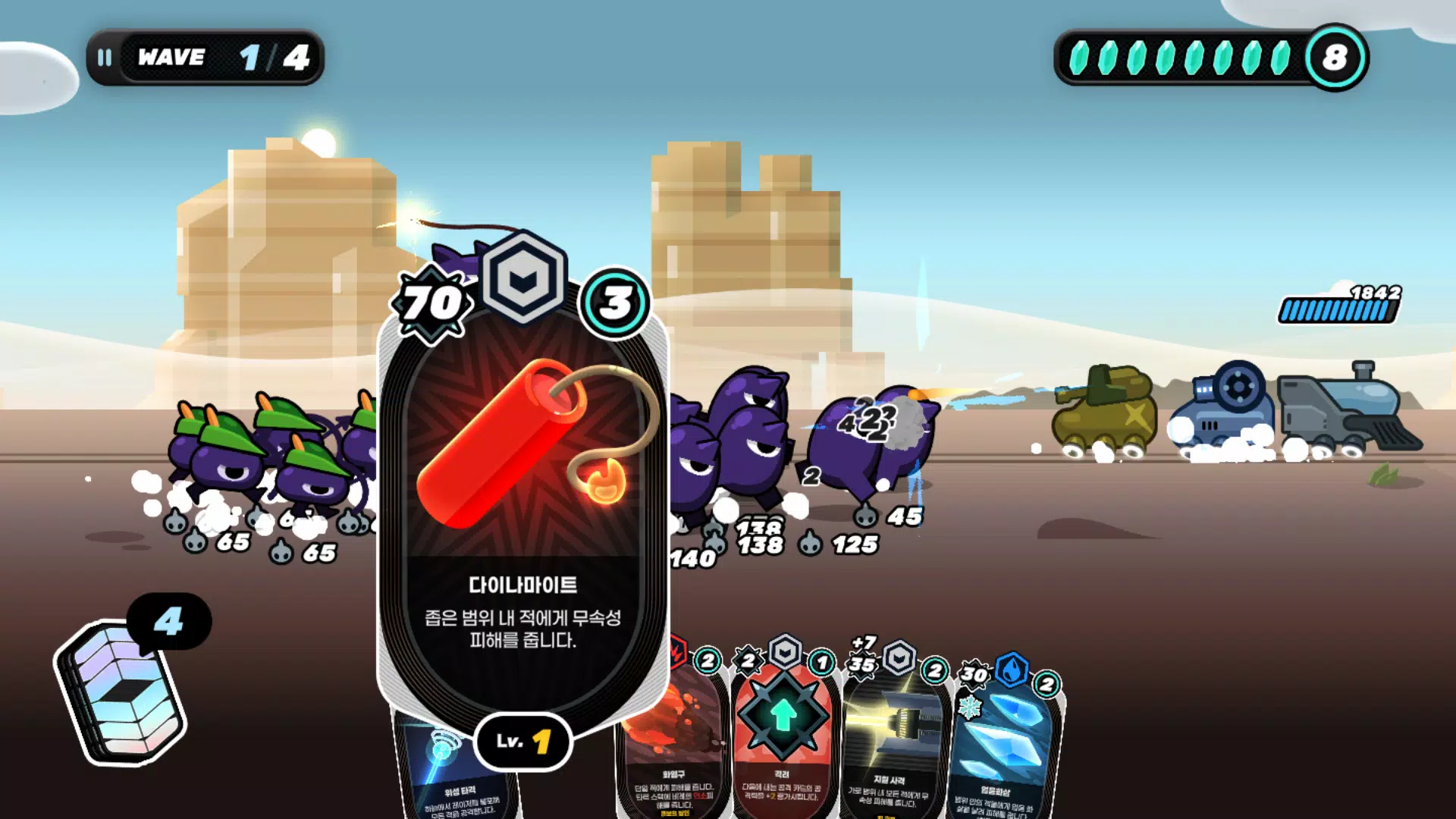
The game’s core appeal is the seamless fusion of card-driven choices and continuous combat: rather than pausing to take turns, you play cards on the fly to deploy weapons, deploy support systems, and trigger tactical maneuvers as enemies close in. Upgradeable train cars and modular systems let you tune your approach between focused damage output, heavy defense, or utility support. Each run presents randomized rewards and branching route choices, so every session feels distinct while persistent progression gives a sense of steady advancement.
At the center of the experience is a card-draw and cost-management loop where timing matters as much as deck composition. Cards have immediate or sustained effects and require resources to play, which forces trade-offs between emergency responses and building momentum for later waves. Combat is spatial: enemy formations, hazards, and narrow passages influence which modules and cards are effective, and positioning of deployed effects on your cars can determine whether a section is held or lost. Resource regeneration, temporary buffs, and cooldowns create a layered tactical rhythm that rewards planning and adaptation.
Controls are optimized for touch: tap to play a card, drag to aim area effects or target enemy clusters, and hold for an info tooltip showing card interactions and costs. The interface presents current resources, active modules, and a compact preview of upcoming route hazards without cluttering the screen, so critical information is available at a glance. Tutorials and contextual hints introduce mechanics progressively, and tooltips explain synergies so new players learn core systems before difficulty ramps up.
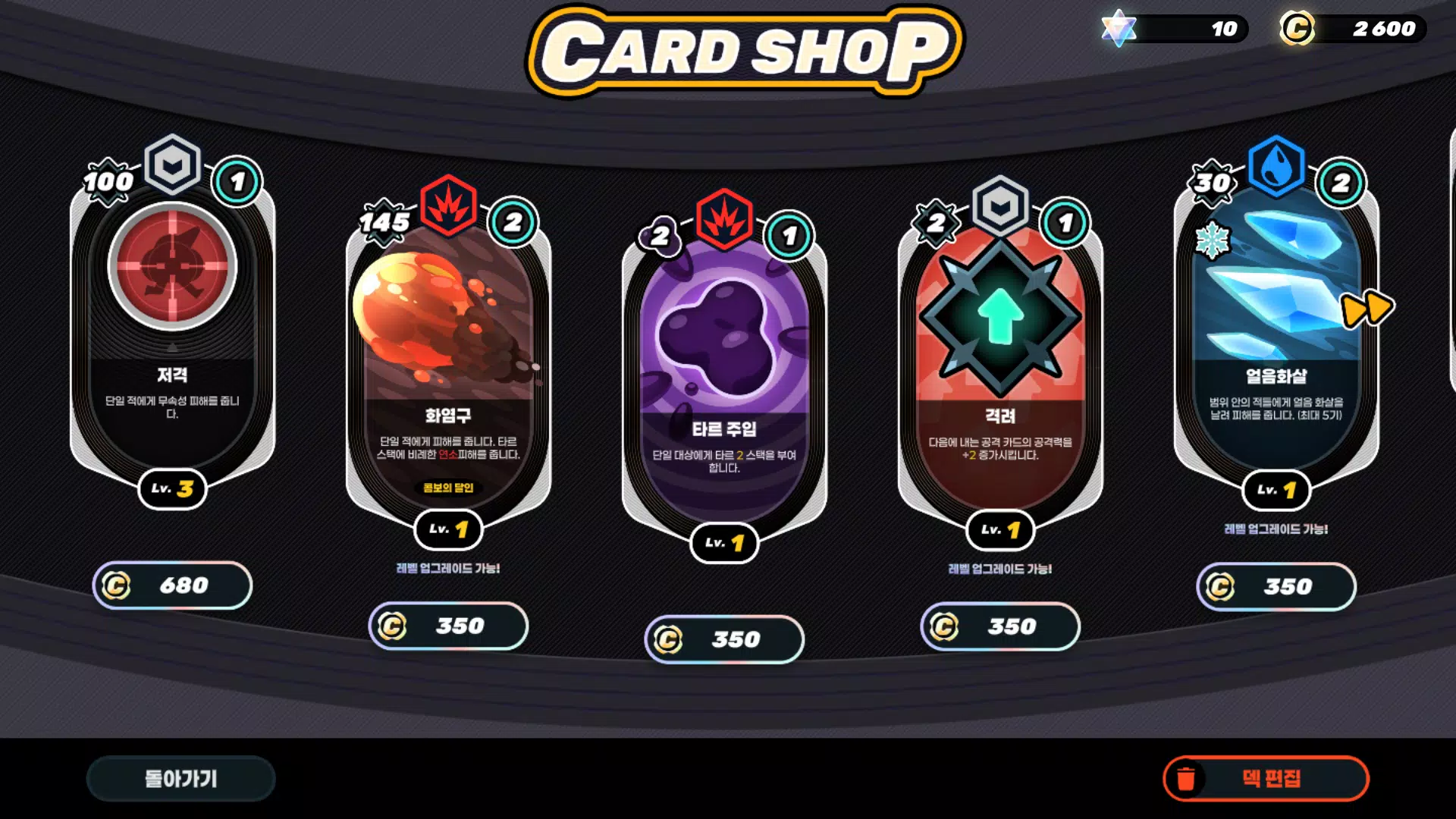
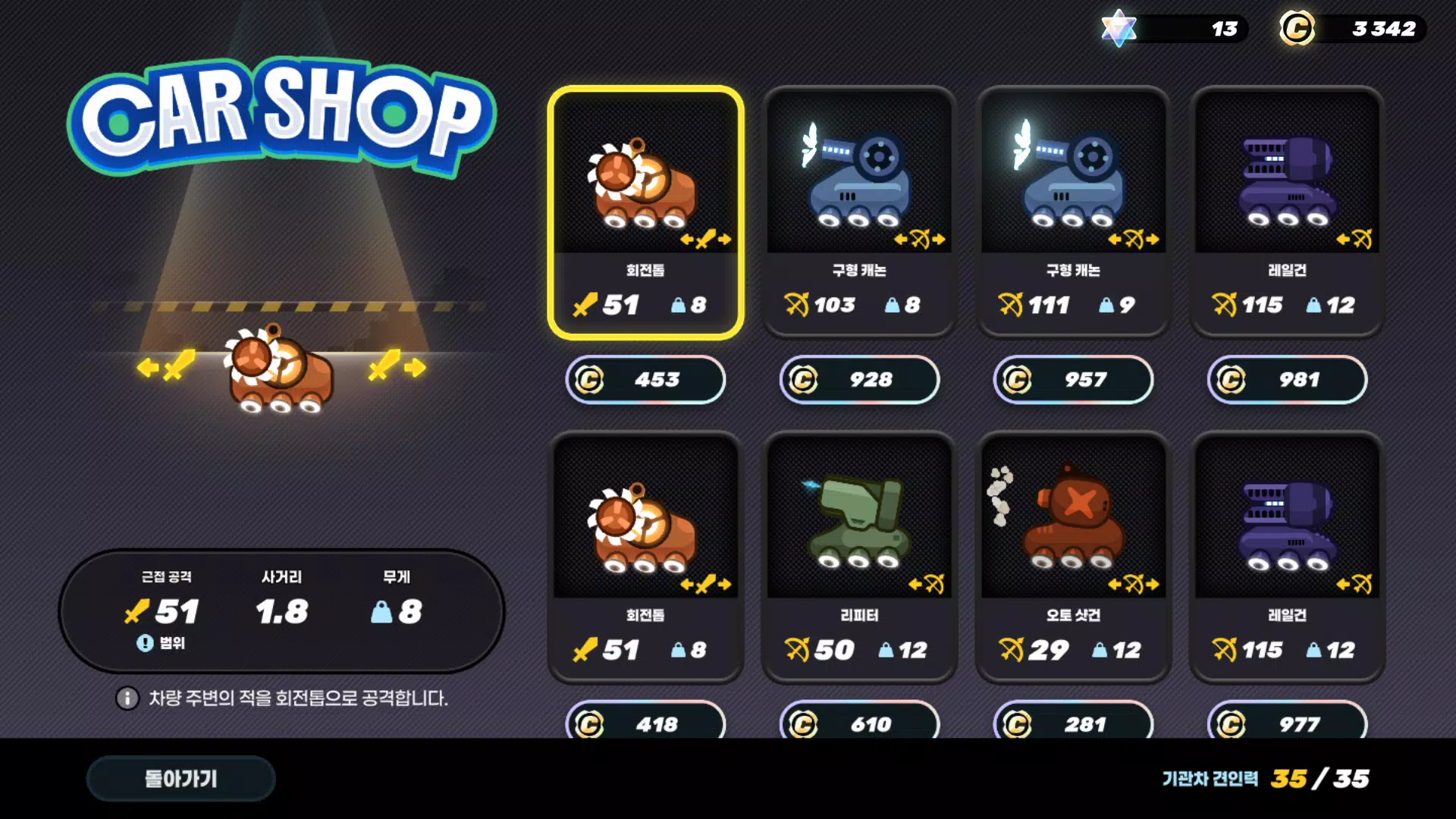
Progression in Card Train unfolds across runs through persistent car upgrades, unlocked modules, and an expanding card pool. Upgrades can boost durability, increase module capacity, alter module behavior, or enhance specific card types, changing how you build decks from one run to the next. Many upgrades also create new strategic directions—such as favoring area-control effects over single-target damage—so successful runs feel meaningful and open new playstyles to explore.
The art direction emphasizes readability and distinct silhouettes so unit roles and card effects are clear even in fast-paced encounters. Routes traverse varied urban and industrial zones where lighting, environmental hazards, and choke points affect combat pacing and tactical choices. Visual telegraphs for enemy attack patterns and environmental threats are designed to reward observation and quick reactions, supporting skillful play without obscuring important information.
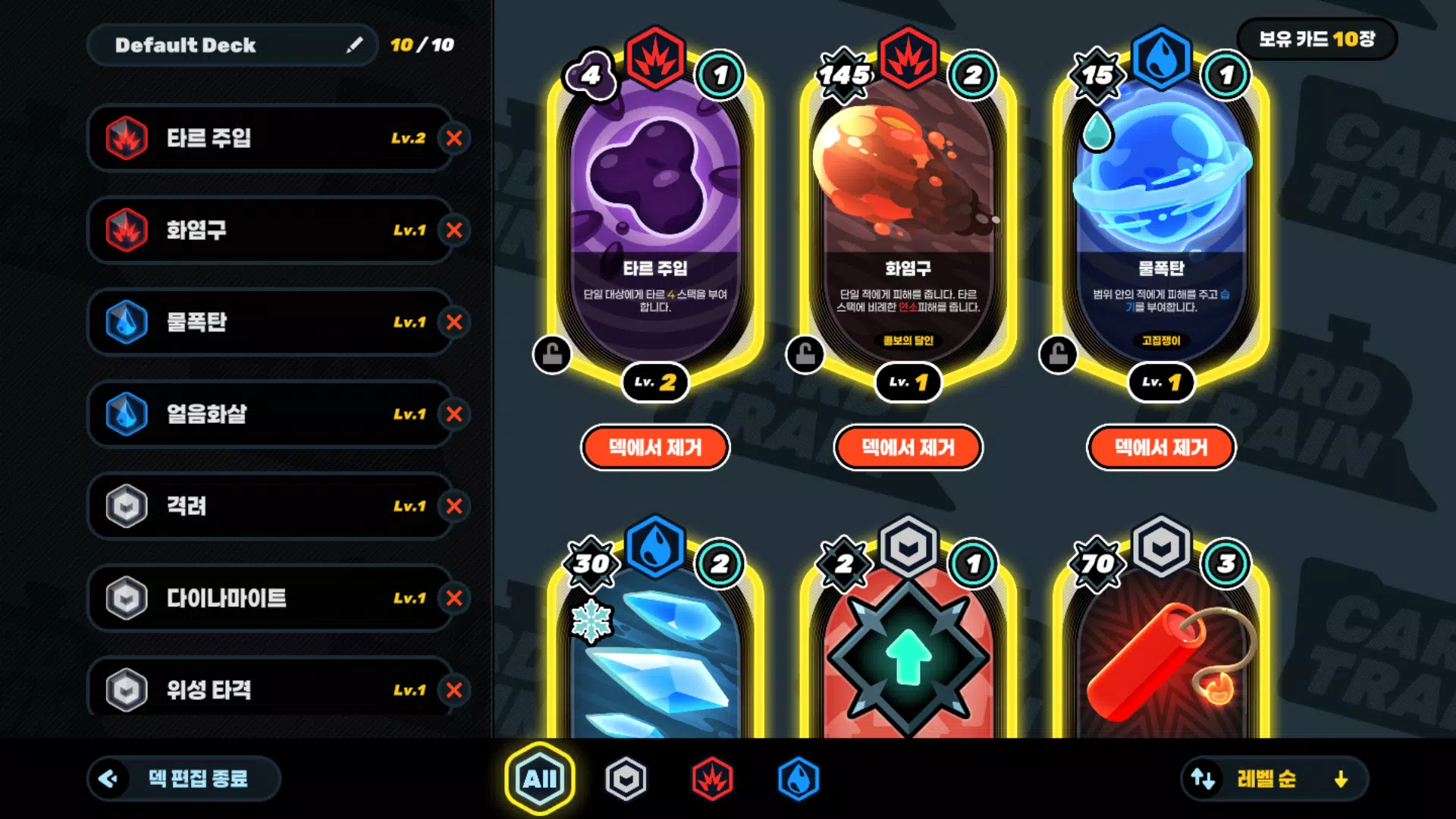
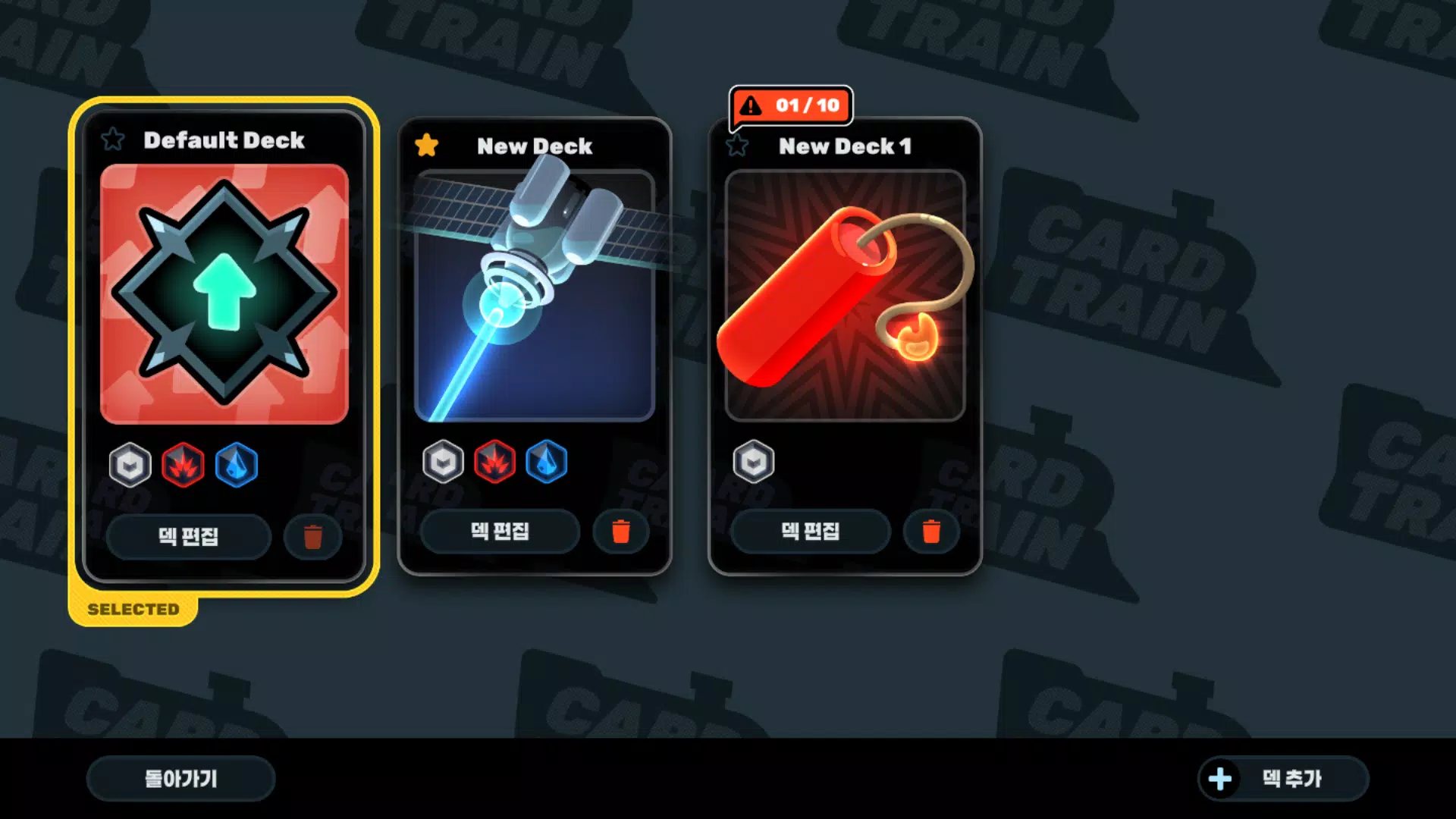
Deck tuning and car configuration are central to replayability: swapping a single card or module can open new strategies and counter different enemy compositions. Randomized rewards, branching routes, and a variety of unlockable modules mean runs rarely play out the same way twice. The interaction between persistent upgrades and on-run decisions creates opportunities for experimentation, encouraging players to test synergies and refine builds according to the challenges they encounter.
Card Train is designed for single-player, offline play so sessions are available without a network connection, and performance settings help the game run smoothly on a wide range of devices. Accessibility options include adjustable difficulty levels, scalable UI elements, and readable card text to support different play styles and visual needs. The UX favors short, engaging runs with clear feedback on card effects, resource changes, and upgrade outcomes so players can learn and iterate efficiently.
Difficulty increases as you push into more dangerous routes, introducing tougher enemy types and environmental hazards that demand both quick reflexes and strategic adaptation. The real-time card play introduces a steeper learning curve for some players, but gradual in-game guidance, forgiving early progression, and the ability to mitigate randomness through selective deck management help bridge the gap. Strategic route choices and careful upgrade planning remain reliable ways to counter escalating challenges.
Recent updates refine progression clarity and UI feedback, and the Terms of Service and Privacy Policy were updated on June 24, 2026. This overview focuses on the single-player systems, controls, and design intent so prospective players understand how Card Train’s mechanics interlock to deliver a tense, strategic experience on the rails and what to expect from each run.
Incoming! Goblins Attack TD
Size:153.22M StrategyMafia Mobile
Size:1393.00M Strategy9 Kings
Size:213.85M StrategyEvil Defenders
Size:25.06M StrategyElemental Merge Game
Size:161.45M StrategyGreat Conqueror
Size:139.53M StrategyTeamfight Tactics PBE
Size:52.70M StrategyNightfall
Size:190.40M StrategyBack Wars
Size:46.50M StrategyLOST in Blue 2: Fate's Island
Size:66.91M StrategyShogun's Empire: Hex Commander
Size:130.00M StrategyArk of War: Aim for the cosmos
Size:96.17M StrategyApril 2024 Clash of Clans Update: Unveiling a Fresh Companion, Enhanced Levels, Chat Tagging, and Be
2024-04-16Arrival of Genshin Impact 4.6 Update: 'Embers of Two Realms, Twilight of Crimson'
2024-04-16V2.2 of the Farlight 84 update introduces an overhauled Season structure, fresh in-game currency, an
2024-04-16Monster Never Cry is now accessible on both Android and iOS mobile devices.
2024-04-18PUBG Mobile Teams Up with Bentley Motors: Luxury Cars, Exclusive Collectibles, and Beyond
2024-04-18March 2024 Free Redemption Codes for Honkai: Star Rail
2024-04-18