English
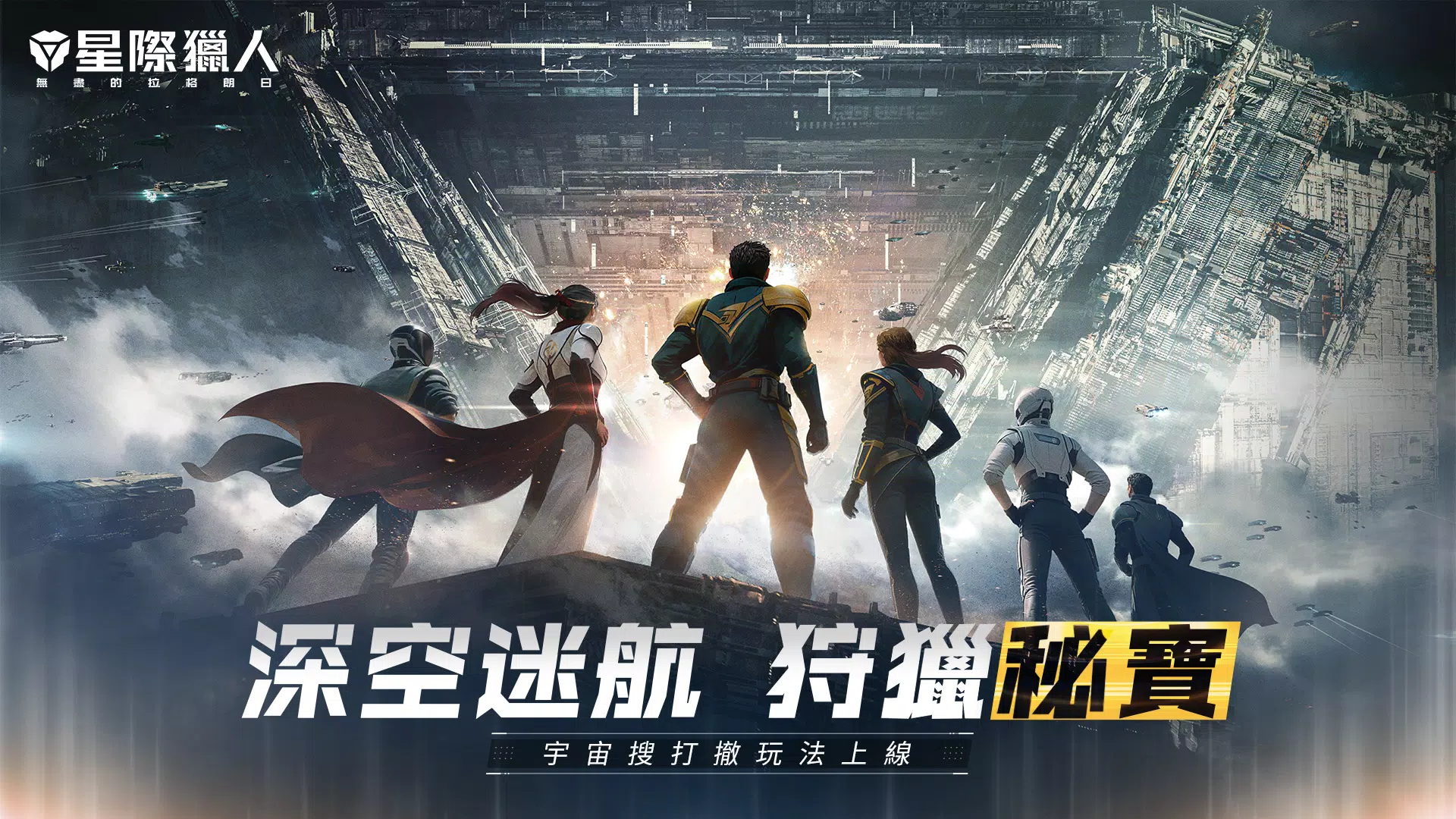
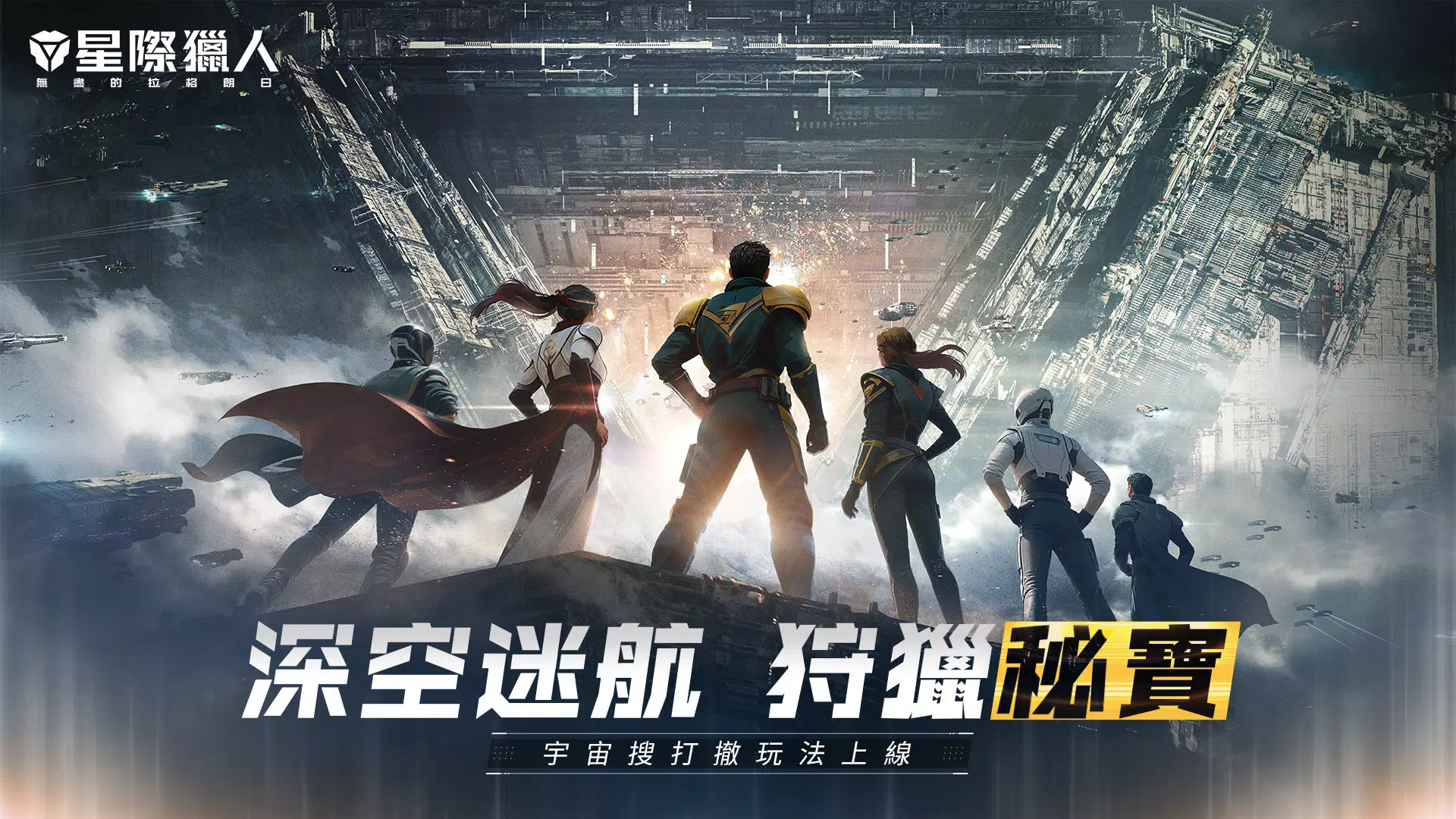
星際獵人-無盡的拉格朗日 places you at the helm of a customizable fleet in a fragmented post-war galaxy, combining strategic planning, exploration, and tactical combat. As commander you accept bounties, investigate ancient ruins and spacetime anomalies, and manage a growing base that supports deeper operations. The game balances cinematic 3D presentation with fleet-level decision making and offers a pace geared toward players who enjoy careful preparation, route selection, and iterative improvement. This introduction outlines what to expect from 星際獵人-無盡的拉格朗日 and how its systems interlock to create emergent challenges.
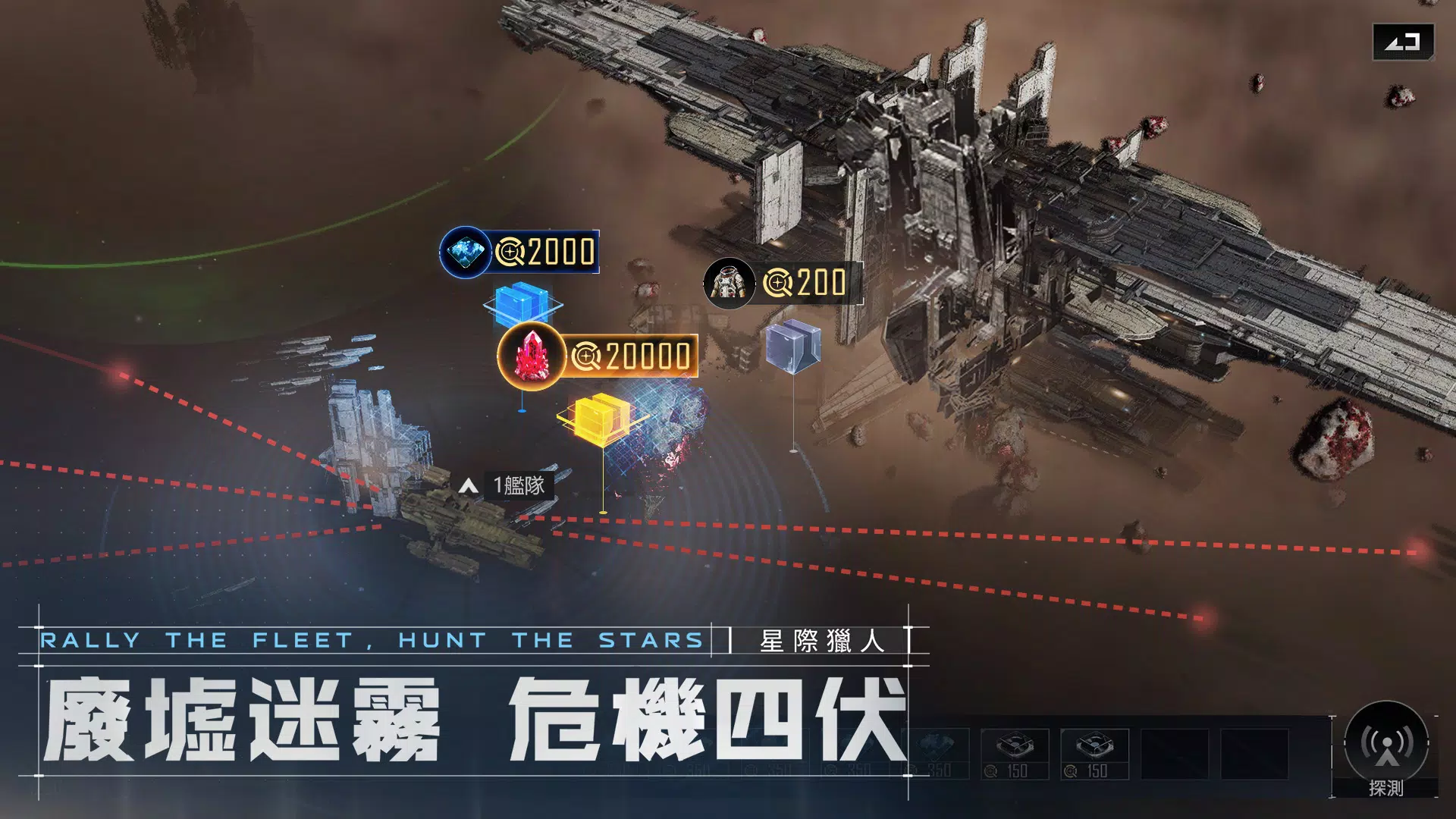
Mission variety is central to the experience: contract bounties, ruin raids, anomaly runs, and faction agreements each demand distinct approaches. Bounty missions tend to be higher-risk, higher-reward engagements where enemy strength scales with the payout. Ruin raids emphasize exploration and environmental hazards, often requiring scouting and specialized loadouts. Anomalies introduce unpredictable effects that can alter navigation or combat. Faction agreements provide objective chains that unlock technology and resources, tying short-term goals to broader progression. Together these mission types encourage players to mix cautious support runs with aggressive treasure hunting.
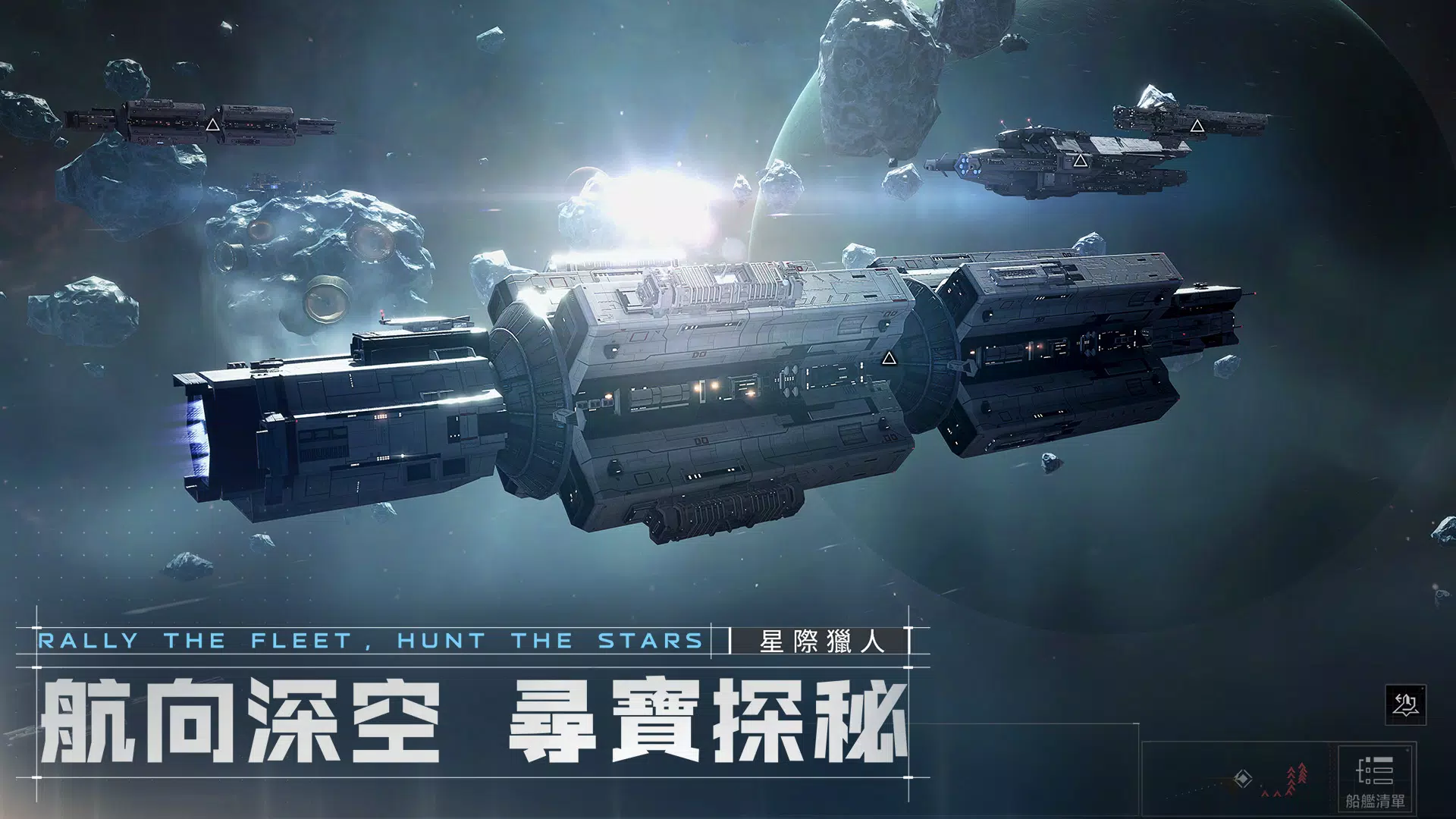
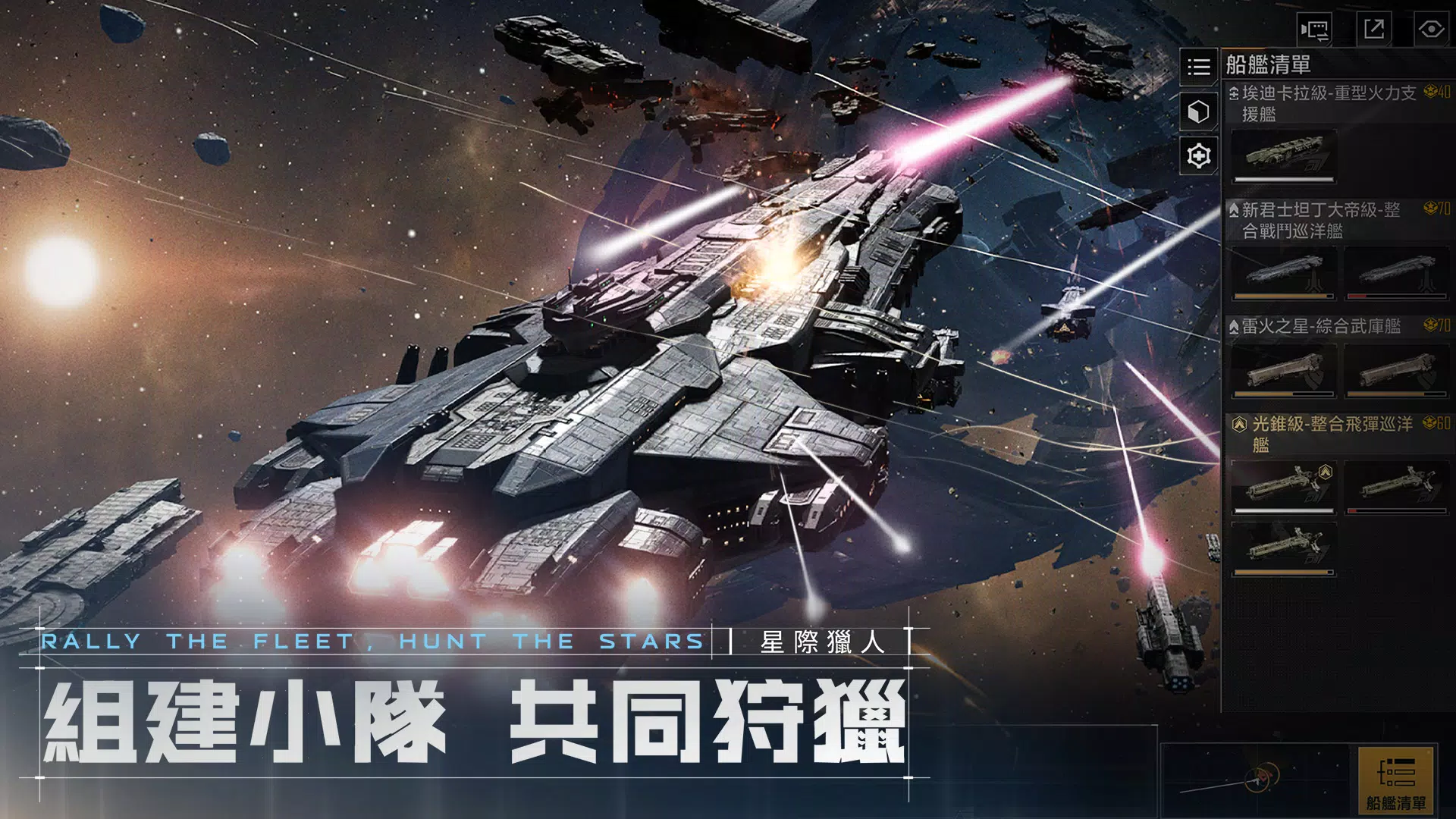
Gameplay focuses on fleet composition, positioning, and timing rather than micromanaging individual ships. Controls are optimized for touch: tap to select units, drag to assign waypoints, and use contextual panels to issue formation, attack, or support orders. Camera controls let you pan and rotate to observe engagements from multiple angles, which helps when coordinating strikes or exploiting environmental effects like gravity wells and spatial distortions. Tactical choices include assigning ship roles—scouts, strike craft, carriers—and choosing when to commit reserves, deploy support modules, or initiate a tactical retreat to preserve core assets.
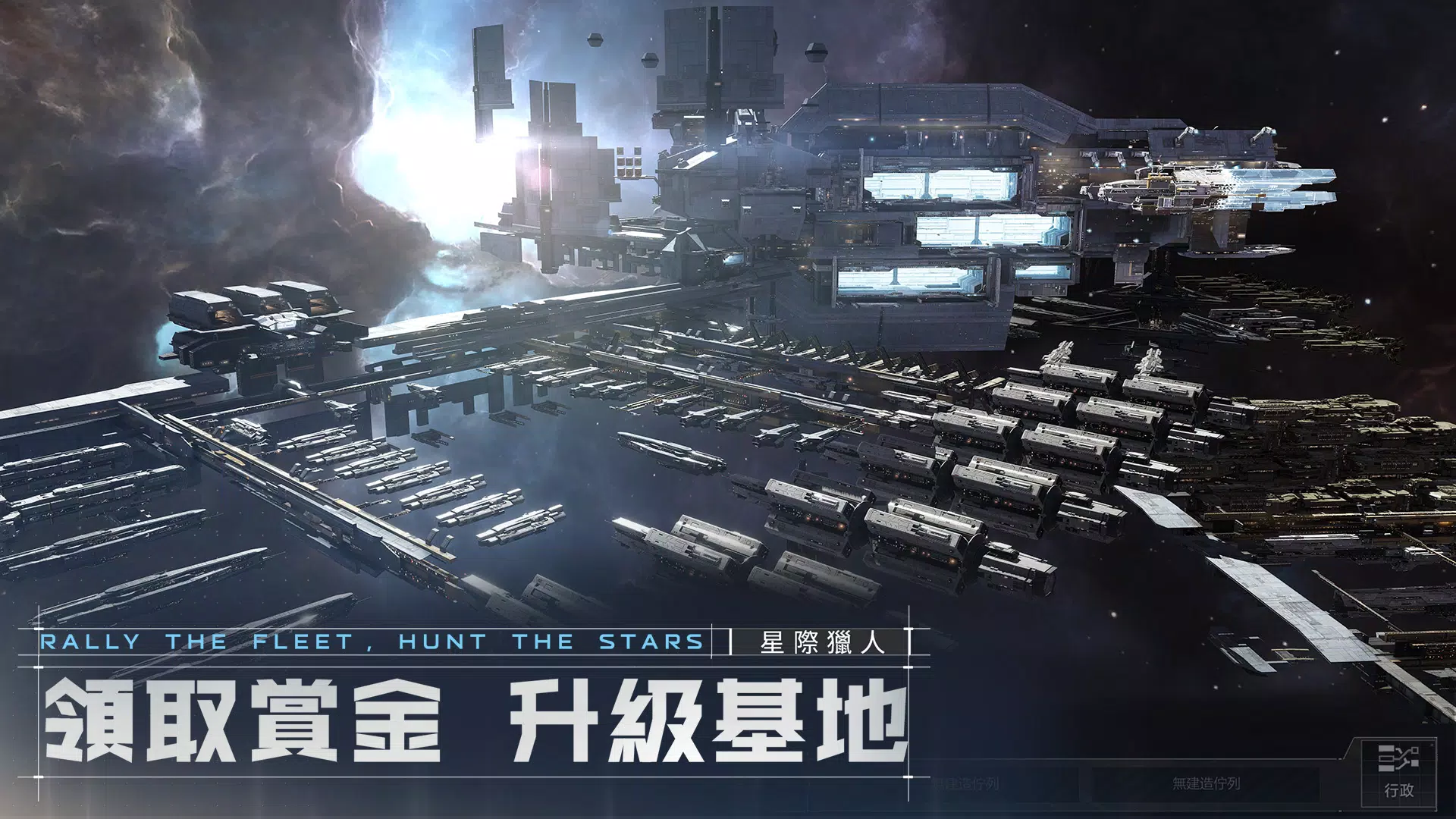
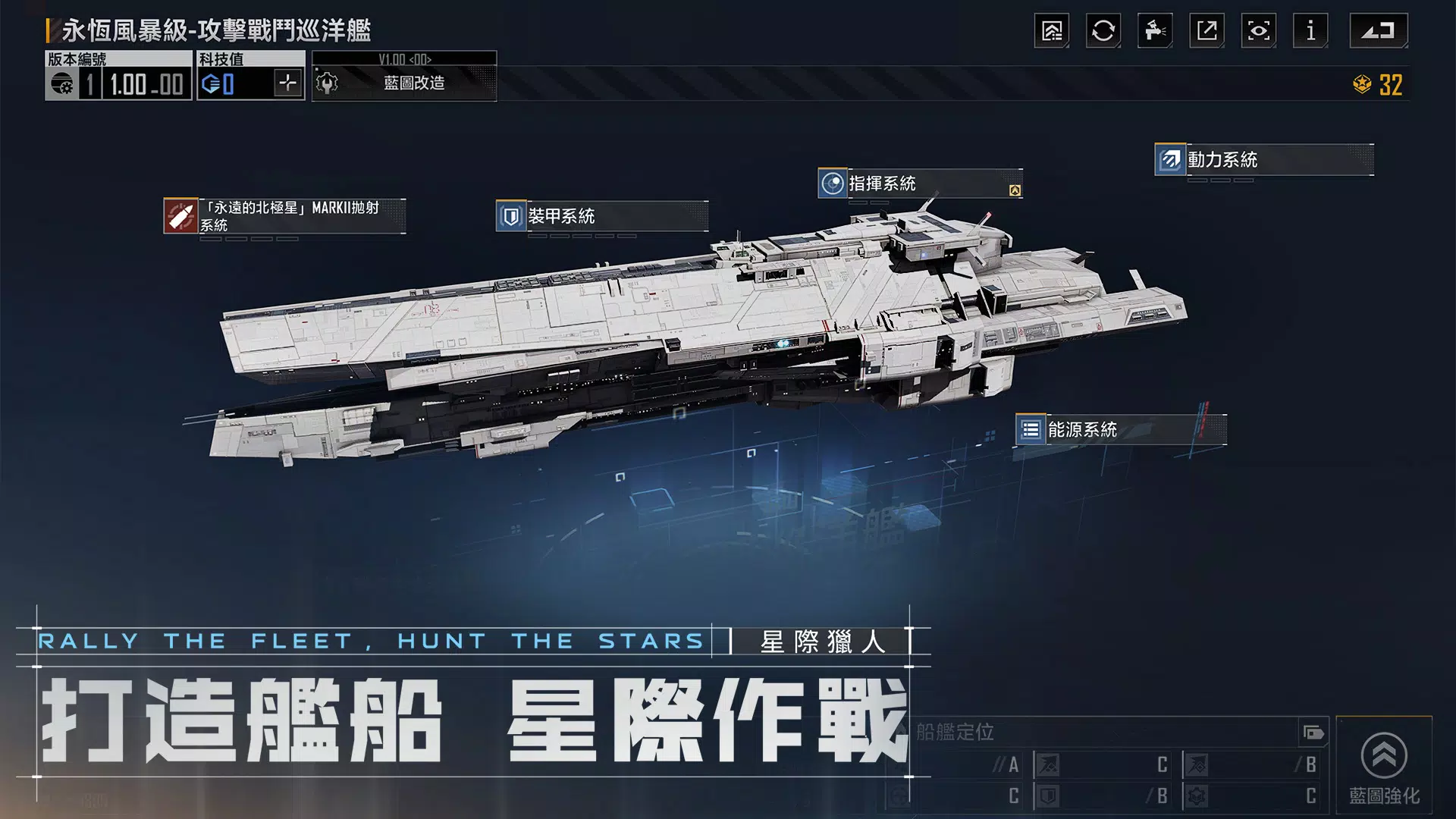
Progression ties mission rewards to base development and ship upgrades. Completing missions and faction objectives grants materials and blueprints used to expand facilities, install new modules, and research ship classes. Customization covers weapon systems, defensive modules, and auxiliary gear to tailor vessels for scouting, assault, or support roles. Base upgrades unlock advanced refits and additional mission types, creating long-term goals that reward repeated runs. The tech tree and modular equipment system allow players to pursue specialized builds while retaining flexibility to adapt to different mission profiles.
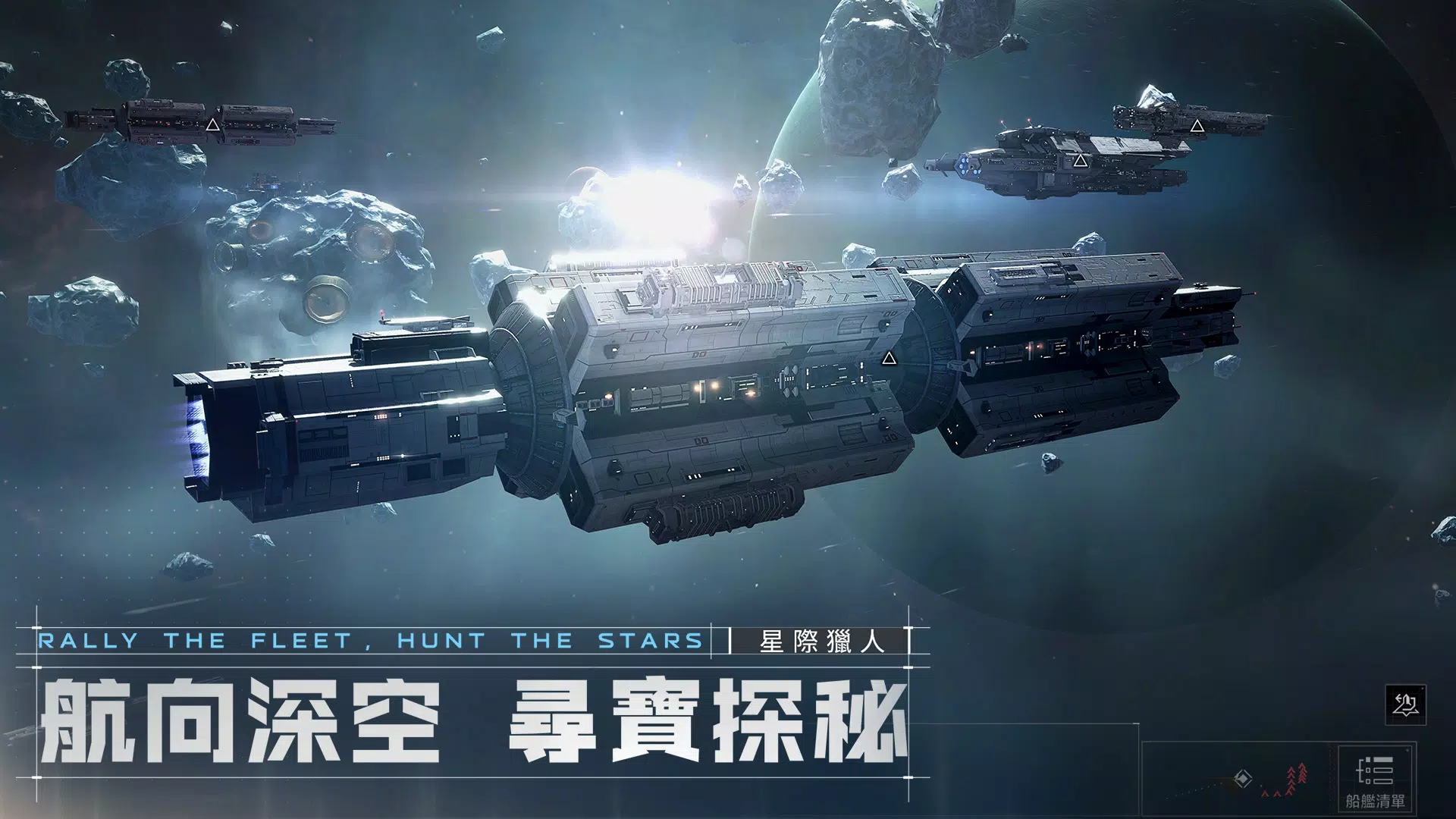
The presentation combines cinematic 3D battle footage with choreographed camera moments to convey scale and tension during fleet engagements. Star systems vary from debris-strewn battlefields to atmospheric ruins and derelict megastructures, each with a distinct visual identity that affects navigation and combat. Levels are structured as node-based star charts where you select routes and missions, encounter random events, and weigh the trade-offs between direct paths and exploratory detours. This node structure encourages planning: gather intel and resources in peripheral systems before tackling a high-value objective or press forward for quicker advancement.
Challenge arises from mission risk, enemy variety, and environmental hazards; poor planning can lead to significant ship losses and force strategic reassessment. Replayability is driven by varied mission outcomes, adaptive fleet builds, and the choices made on the campaign map. Players can adopt cautious strategies emphasizing scouting and support, or pursue high-reward runs that demand tight tactical coordination. The combination of emergent encounters and long-term upgrade goals keeps sessions meaningful while offering clear mid-term objectives to aim for between major refits.
Usability focuses on clear UI feedback, adjustable control sensitivity, and scalable graphics settings to suit a range of devices. Tooltips and in-game descriptions help new players learn ship roles and base systems without a steep learning curve. Many core exploration and contract missions are playable in solo or offline modes, while certain online or cooperative features may vary by release and platform; consult platform details if you need connectivity information. Battery and performance modes are available to extend play sessions on mobile hardware.
Enyi Games supports the title with balance updates, mission variety improvements, and UI refinements informed by player feedback. Future updates are expected to expand mission types and polish progression pacing while maintaining the core focus on tactical fleet command and exploration-driven progression. For players seeking a detailed sci-fi strategy experience that rewards planning, adaptability, and careful resource management, 星際獵人-無盡的拉格朗日 offers a deep sandbox of fleet-level warfare and incremental advancement.
Incoming! Goblins Attack TD
Size:153.22M StrategyMafia Mobile
Size:1393.00M Strategy9 Kings
Size:213.85M StrategyEvil Defenders
Size:25.06M StrategyElemental Merge Game
Size:161.45M StrategyGreat Conqueror
Size:139.53M StrategyTeamfight Tactics PBE
Size:52.70M StrategyNightfall
Size:190.40M StrategyBack Wars
Size:46.50M StrategyLOST in Blue 2: Fate's Island
Size:66.91M StrategyShogun's Empire: Hex Commander
Size:130.00M StrategyArk of War: Aim for the cosmos
Size:96.17M StrategyApril 2024 Clash of Clans Update: Unveiling a Fresh Companion, Enhanced Levels, Chat Tagging, and Be
2024-04-16Arrival of Genshin Impact 4.6 Update: 'Embers of Two Realms, Twilight of Crimson'
2024-04-16V2.2 of the Farlight 84 update introduces an overhauled Season structure, fresh in-game currency, an
2024-04-16Monster Never Cry is now accessible on both Android and iOS mobile devices.
2024-04-18PUBG Mobile Teams Up with Bentley Motors: Luxury Cars, Exclusive Collectibles, and Beyond
2024-04-18March 2024 Free Redemption Codes for Honkai: Star Rail
2024-04-18