English
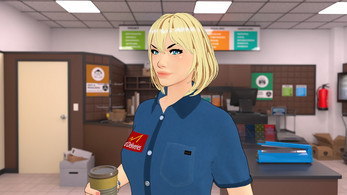
Lucky Flash places you in the shoes of Michael Foster, a university student known by that nickname who balances classes, a part-time courier job and a life full of unexpected encounters; Lucky Flash blends slice-of-life time management with branching narrative choices, and introduces new characters at every delivery stop to create a slow-burn story that rewards exploration and replay. As you move through a hand-drawn city, Lucky Flash encourages deliberate decisions: when to work, when to study, who to meet and which secrets to pursue, all of which influence relationships and eventual endings.
The core gameplay of Lucky Flash combines light life-sim mechanics with interactive story scenes. Players schedule shifts, attend classes and accept deliveries, each stop acting as a narrative node where dialogue, character interactions and short minigames can occur. Choices are persistent and branch over time: a seemingly small decision early on can unlock conversations, change a character's attitude or alter which routes become available later. The game keeps a measured pace so players can savor dialogue-heavy sequences rather than being rushed through action-oriented tasks.
Controls are designed for touch devices with a focus on clarity and accessibility. Most interactions use simple taps and swipes to navigate the city map, select destinations, and progress dialogue. Menus and calendars are readable at a glance, and tooltips explain how time and resources affect reputation and relationships. The interface minimizes clutter so that story beats remain prominent while giving players clear feedback about current objectives, available choices and the consequences of time management decisions.
Progression in Lucky Flash is driven by a combination of reputation, money and relationship meters. Earning income through deliveries allows you to afford better equipment, transportation options or study materials, while reputation opens access to new addresses and introduces higher-stakes encounters. Relationship progress is tracked through repeated interactions and specific decision points; reaching different thresholds unlocks alternate scenes and endings. The structure encourages planning: balancing class attendance and work shifts changes the opportunities that appear on the map.
Lucky Flash is presented with stylized hand-drawn art that emphasizes character expression and atmospheric city environments. Backgrounds are detailed but never distracting, supporting the narrative focus. Key scenes include partial voice acting to enhance emotional moments while keeping most dialogue text-based for readability. Sound design and a gentle soundtrack complement the pacing, helping establish mood without overwhelming conversations or important choices.
The city is laid out as dozens of addresses, each functioning like a short chapter or vignette. Some locations are one-off encounters while others lead to extended storylines. Challenges are primarily managerial rather than reflex-based: scheduling conflicts, budget decisions and reputation mechanics create tension and meaningful trade-offs. Players who prefer a more relaxed experience can prioritize story paths, while completionists can pursue resources and routes that demand tighter time and money management.
While Lucky Flash does not include combat or competitive systems, it offers meaningful customization through choices that shape Michael's routine and relationships. Different approaches to tasks, such as prioritizing study, social opportunities or overtime, produce distinct narrative outcomes. The game is intentionally replayable: branching decisions, multiple endings and new character routes introduced in updates give players reasons to revisit the city and explore alternative paths.
Accessibility options are built in to support a wide range of players: adjustable text size, configurable audio levels and a clear chronology feature that summarizes past decisions and important events. The game supports offline play for single-player content so you can progress without a constant internet connection, and autosave keeps sessions safe between play sessions. Difficulty is primarily optional and focused on time and resource constraints rather than punitive mechanics.
Lucky Flash contains mature themes and sexual content intended for adult audiences; these elements are presented in a narrative context and are not explicit. The developers provide regular updates that add new locations, heroines and scripted events, expanding existing routes and refining balance based on player feedback. Patch notes are typically clear about new content and quality-of-life improvements so returning players can easily find fresh material and continue exploring the story world.



Cum in Out
Size:99.19M Casual2jbet Game
Size:12.94M CasualAlabell
Size:2016.37M CasualTrick or Ahri
Size:93.31M CasualRed snow
Size:216.55M CasualSumod.beta
Size:5.08M CasualTwo Weeks On
Size:123.18M CasualTightfault Revamp Edit
Size:1.14M CasualXSerum
Size:950.87M CasualDouble Homework - Remaster
Size:1310.88M CasualDevious Work : Demo
Size:92.25M CasualKnödel TD
Size:74.40M CasualApril 2024 Clash of Clans Update: Unveiling a Fresh Companion, Enhanced Levels, Chat Tagging, and Be
2024-04-16Arrival of Genshin Impact 4.6 Update: 'Embers of Two Realms, Twilight of Crimson'
2024-04-16V2.2 of the Farlight 84 update introduces an overhauled Season structure, fresh in-game currency, an
2024-04-16Monster Never Cry is now accessible on both Android and iOS mobile devices.
2024-04-18PUBG Mobile Teams Up with Bentley Motors: Luxury Cars, Exclusive Collectibles, and Beyond
2024-04-18March 2024 Free Redemption Codes for Honkai: Star Rail
2024-04-18