English
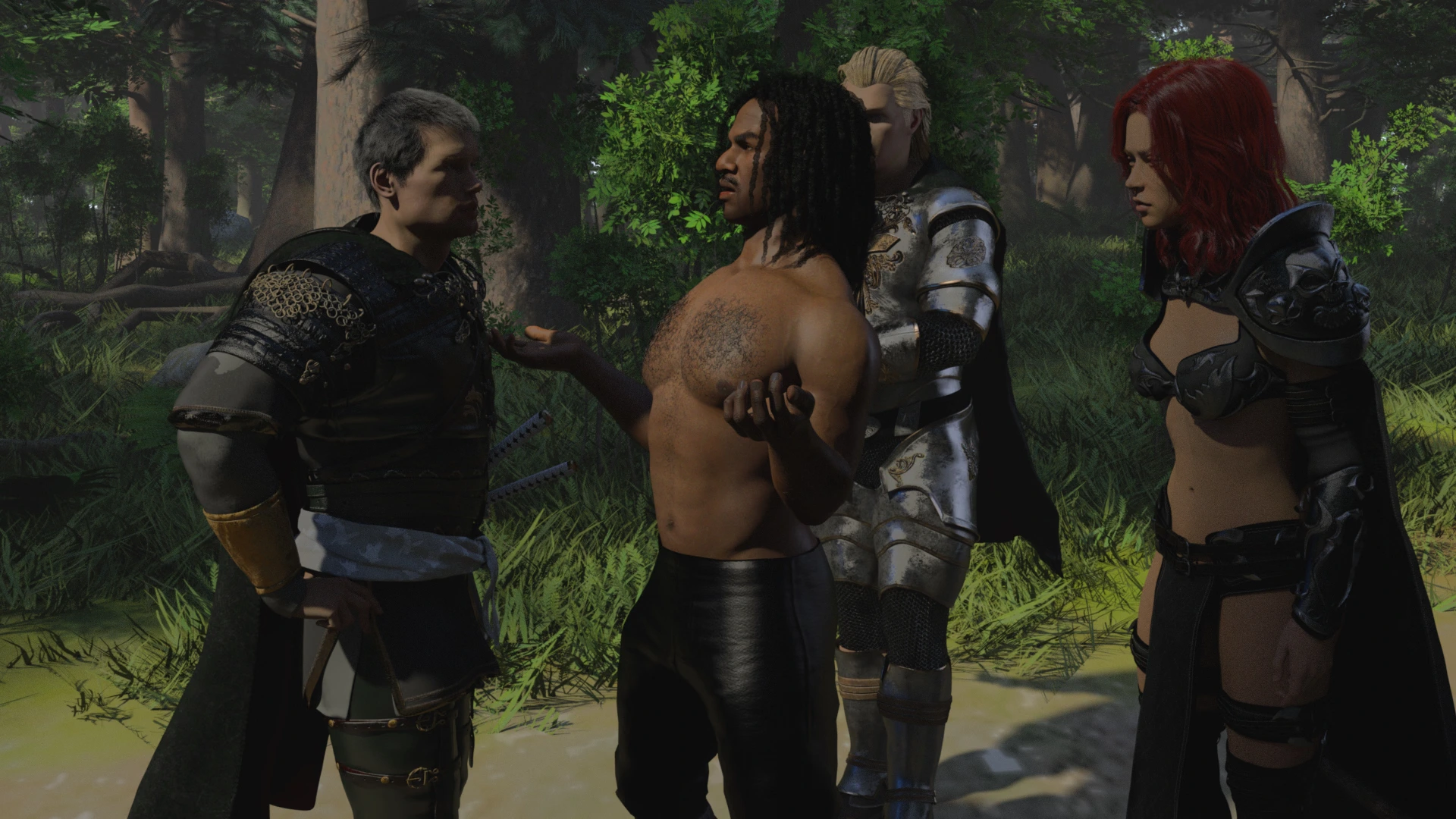
Tempest is a story-driven chapter-based game that immerses players in a hidden war between fallen angels and banished demons, centered on a paradoxical union called The Three. In Tempest you follow an exiled Sentinel Angel and a small, ragged band of allies — a demon and a fallen angel — as they are tasked with protecting three human children who have become vessels for powerful, paradoxical souls. The opening chapters introduce the moral complexity of this world, and the title emphasizes choice, consequence, and character-driven drama for players who enjoy slow-burning narrative and branching outcomes.
The game presents a mythic setting that blends celestial politics and infernal intrigue, with a focus on ethical ambiguity rather than clear-cut heroics. Story chapters unfold in self-contained scenes that progressively reveal the histories and motives of key characters, and decisions in one chapter can alter access to scenes and dialogue in later chapters. Tempest balances a dense backstory with accessible storytelling tools: in-game codices, recap summaries at chapter start, and optional lore entries let players dive deeper without interrupting the main narrative flow.
Gameplay is anchored in decision-driven interactions and scene exploration. Players navigate environments with intuitive touch controls, tapping to advance text, swipe gestures to move between scenes, and clear on-screen prompts for choices. Dialogue systems allow nuanced responses rather than binary options, and many choices include contextual information to help weigh consequences. Combat is not the central focus; where conflicts occur they are presented as narrative encounters that emphasize consequence and roleplaying of the party rather than lengthy action sequences.
Progression in Tempest is organized by chapter, with Chapter 2 delivered as version 1.11 in the current release cycle. Each chapter functions as a curated episode with multiple decision points and branching paths that unlock alternative scenes and character interactions. Player progress is saved automatically between chapters, and completed choices are tracked so subsequent chapters reflect past decisions. Rather than a traditional experience-point system, advancement is measured by story milestones and the evolving relationships among party members and protectees.
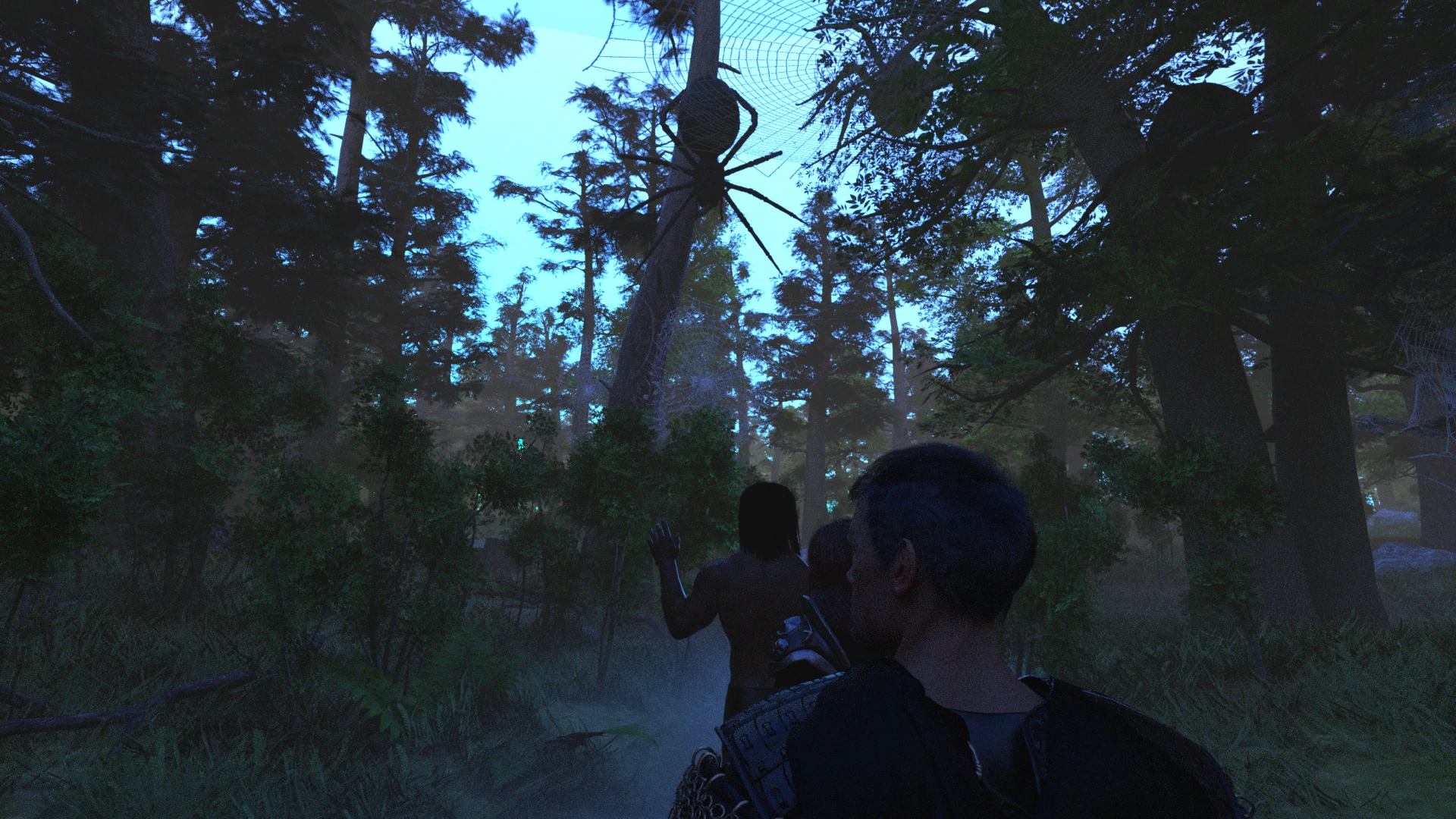
The visual direction favors moody, atmospheric art that supports the game's mythic tone: painterly character portraits, cinematic scene transitions, and carefully composed backgrounds that hint at celestial and infernal politics. Cutscenes are used sparingly to emphasize turning points, while the UI remains minimalist to keep focus on narrative text and character expression. Audio design complements the visuals with subtle ambient tracks and voice snippets for key moments when available.
Rather than large-scale mechanical customization, Tempest offers meaningful narrative customization: choices shape character loyalties, reveal or conceal aspects of backstory, and determine which conversational threads become available. Party dynamics are central; the relationships between the Sentinel Angel, the demon, and the fallen angel evolve according to player decisions, and these dynamics influence how events play out. Multiple branching paths and alternate chapter outcomes encourage replaying chapters to see different consequences, discover hidden scenes, and explore divergent moral resolutions.
The interface is designed for comfortable long-form reading and straightforward navigation. Accessibility options include adjustable text size, contrast controls, and the option to enable or disable timed choices to accommodate different reading speeds. A recap system helps returning players pick up the plot quickly, and in-game help explains recurring terms and characters to reduce confusion for newcomers to the setting.
Once downloaded, the chapters of Tempest are playable offline so players can experience the narrative without a constant internet connection. Challenge in the game arises from the moral dilemmas and timed decisions that require weighing short-term survival against long-term consequences; these narrative challenges are designed to provoke reflection rather than create reflex-based difficulty. Chapter updates add new dilemmas and scenes as the story continues, while maintaining a consistent base experience for offline play.
Tempest is developed by Lone Hermit Productions and distributed as Chapter 2, version 1.11, representing the most recent chapter-based update to the story. The development team continues to refine accessibility options and expand narrative content in future updates, with patch notes provided alongside each chapter release to clarify additions and adjustments.

Cum in Out
Size:99.19M Casual2jbet Game
Size:12.94M CasualAlabell
Size:2016.37M CasualTrick or Ahri
Size:93.31M CasualRed snow
Size:216.55M CasualSumod.beta
Size:5.08M CasualTwo Weeks On
Size:123.18M CasualTightfault Revamp Edit
Size:1.14M CasualXSerum
Size:950.87M CasualDouble Homework - Remaster
Size:1310.88M CasualDevious Work : Demo
Size:92.25M CasualKnödel TD
Size:74.40M CasualApril 2024 Clash of Clans Update: Unveiling a Fresh Companion, Enhanced Levels, Chat Tagging, and Be
2024-04-16Arrival of Genshin Impact 4.6 Update: 'Embers of Two Realms, Twilight of Crimson'
2024-04-16V2.2 of the Farlight 84 update introduces an overhauled Season structure, fresh in-game currency, an
2024-04-16Monster Never Cry is now accessible on both Android and iOS mobile devices.
2024-04-18PUBG Mobile Teams Up with Bentley Motors: Luxury Cars, Exclusive Collectibles, and Beyond
2024-04-18March 2024 Free Redemption Codes for Honkai: Star Rail
2024-04-18