English
Tentacle Fall Trap 2 is an experimental minigame that explores character modification mechanics and physics-driven interactions, presented as a compact, engine-focused demo for mature audiences who want a concise technical experience rather than a full commercial game.
Tentacle Fall Trap 2 was created as a solo learning project focused on animation systems, collision response, and procedural motion. The build centers on direct model interaction: touch or click to drag parts of the character and observe responsive physics, with adjustable settings to modify how the body reacts. The experience is intentionally short-form, emphasizing the underlying systems and how small changes to parameters produce visible differences in behavior.
Gameplay is mechanic-driven and easy to pick up. Primary input is direct manipulation of the on-screen model via simple drag gestures or mouse input; these interactions trigger physics-based responses and secondary animation layers. A single toggle allows players to switch between standard interaction and a mode that alters behavioral parameters for more pronounced responses. Controls are deliberately minimal to keep attention on the physics: tap to select, drag to move, and use an on-screen control to reset the scene. Sensitivity and response curves are adjustable so players can tailor the feel to their device and preference.
The title does not follow a long progression or unlock system. Instead, Tentacle Fall Trap 2 presents a series of short scenarios or scenes that demonstrate different interaction rules and environmental constraints. Each scene is designed as a technical vignette: a focused setup that highlights a particular animation or collision behavior. Players move between these scenes to compare outcomes and learn how different parameters affect motion. This structure keeps sessions short and repeatable and makes it easier to test specific mechanics without loading extensive menus or story elements.
The visual approach is utilitarian, prioritizing clear feedback over heavy stylization. Models and environments are presented with straightforward shading and camera angles chosen to emphasize motion and response. Lighting and material choices are tuned to make animation read clearly on mobile screens. The goal is to make it easy to see the effect of physics and animation blending rather than to showcase high-fidelity art. For developers and curious players, this clarity helps when inspecting how the engine resolves collisions, weight, and secondary motion.
Customization is provided as a set of toggles and sliders that let players experiment without needing deep technical knowledge. Options include physics strength, damping, collision stiffness, and an accessibility setting to reduce motion intensity. There is also a content control that allows the player to limit mature-themed parameters for a more neutral presentation. These controls encourage experimentation and make the demo useful as both a casual hands-on toy and a simple testbed for those studying animation systems.
Replay value derives from experimentation rather than traditional rewards. Because the system is parametric, small adjustments produce new and sometimes surprising results, encouraging repeated play to discover behavior variations. A sandbox-like scene invites free-form testing while the scenario scenes offer incremental changes in constraint or environment that act as informal challenges: players can try to reproduce specific motions or explore how changes to settings alter outcomes. The lack of deep progression is deliberate to keep the focus on mechanics and learning.
Tentacle Fall Trap 2 is optimized for single-device, offline play and is lightweight to install. Menus are minimal and designed for quick access so players can jump back into testing without friction. Accessibility considerations include adjustable input sensitivity, reduced motion options, and a straightforward tutorial that explains the main controls and toggles. The project aims to be approachable for both curious players and developers who want a hands-on example of animation and physics interactions on mobile hardware.
Built by a solo creator as a technical experiment, Tentacle Fall Trap 2 functions primarily as a demonstration of engine capabilities and interaction design. It is presented as a short-form experience with an emphasis on learning and iteration rather than content breadth. Players should expect a narrow but well-defined scope: clear examples of procedural motion, collision handling, and parameter-driven animation that can inform both play and development curiosity.
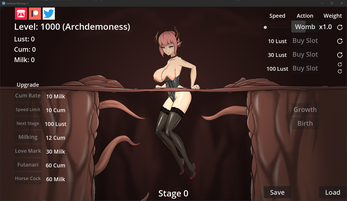
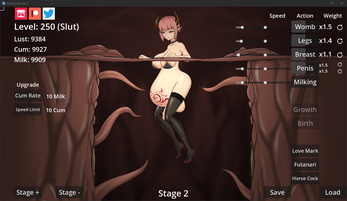
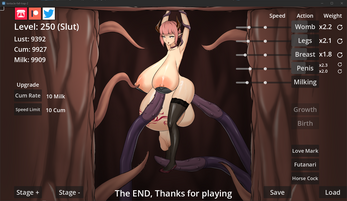
Cum in Out
Size:99.19M Casual2jbet Game
Size:12.94M CasualAlabell
Size:2016.37M CasualTrick or Ahri
Size:93.31M CasualRed snow
Size:216.55M CasualSumod.beta
Size:5.08M CasualTwo Weeks On
Size:123.18M CasualTightfault Revamp Edit
Size:1.14M CasualXSerum
Size:950.87M CasualDouble Homework - Remaster
Size:1310.88M CasualDevious Work : Demo
Size:92.25M CasualKnödel TD
Size:74.40M CasualApril 2024 Clash of Clans Update: Unveiling a Fresh Companion, Enhanced Levels, Chat Tagging, and Be
2024-04-16Arrival of Genshin Impact 4.6 Update: 'Embers of Two Realms, Twilight of Crimson'
2024-04-16V2.2 of the Farlight 84 update introduces an overhauled Season structure, fresh in-game currency, an
2024-04-16Monster Never Cry is now accessible on both Android and iOS mobile devices.
2024-04-18PUBG Mobile Teams Up with Bentley Motors: Luxury Cars, Exclusive Collectibles, and Beyond
2024-04-18March 2024 Free Redemption Codes for Honkai: Star Rail
2024-04-18