English
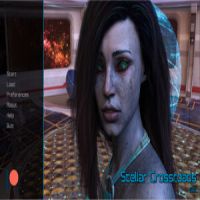
Stellar Crossroads places you 150 years after the Hive war into a grounded, character-driven sci-fi role-playing experience where a former miner unexpectedly inherits a run-down space station at the heart of the Orion Sector. In this editor overview of Stellar Crossroads we describe what to expect from the mobile edition: a single hub that ties together narrative consequence, resource management, and tactical decision-making, all presented for touch-first play without sacrificing depth.
The core loop centers on stewardship of the station between missions. You send crews or ships on assignments, negotiate with rival factions, and respond to emergent events while balancing the station’s needs. Dialogue choices are more than flavor text: they open or close supply lines, shift reputation with faction leaders, and can trigger cascading consequences across the sector. Missions range from short supply runs and salvage jobs to multi-stage political intrigues, and mission outcomes feed back into the station economy and your strategic options. Decisions are designed to feel consequential rather than cosmetic — a single treaty can unlock trade lanes while a mishandled grievance may invite sabotage or embargoes — which encourages planning several steps ahead as you weigh risks and opportunities.
The interface is optimized for touch screens with clear, context-aware actions: tap to select characters or modules, drag to reassign crew and move equipment, and swipe across the sector map to plan routes. Dialogue and decision screens present concise options with short explanatory text so players can quickly assess consequences. For players using controllers, primary actions are mapped to simple inputs for movement and menu navigation, but everything important remains playable by touch alone. Inventory and station management screens emphasize legibility with adjustable text sizes and high-contrast UI elements, and the layout minimizes deep menu diving so routine tasks remain efficient on smaller displays.
Progression in Stellar Crossroads is layered across the station, your crew, and your political standing. Earned credits and scarce resources let you upgrade modules — for example improving life support to increase population capacity, expanding docking bays to accept larger freighters, or strengthening defenses to deter raiders — and each upgrade unlocks new mission types or operational capacities. Crew members gain experience and develop specializations that influence success rates on particular assignments and unlock unique dialogue options. Customization choices are meaningful: investing in commerce boosts income but can leave the station vulnerable, while funding public services improves stability at the cost of slower technological growth. These tradeoffs create a steady stream of short-term goals and longer-term strategy choices that shape how the station functions and how the Orion Sector responds to your leadership.
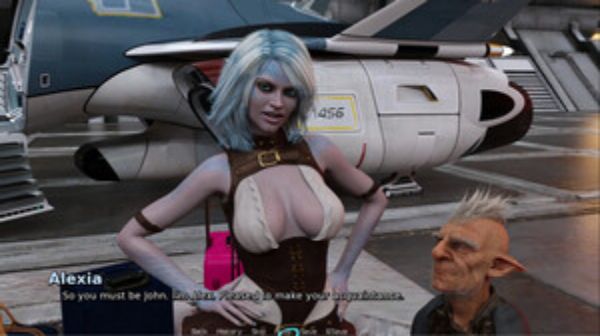
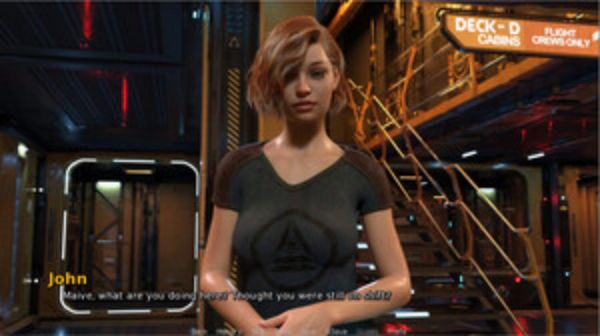
The presentation favors a gritty, lived-in sci-fi aesthetic rather than glossy hyper-real visuals. Environments show the scars of a post-war setting: patched corridors, jury-rigged modules, and utilitarian HUD elements that support immersion. Content is organized on a sector map divided into distinct zones, each with its own mood, economy, and actors. Story arcs recur around faction leaders and regional crises, while individual missions vary in scope so that exploration and strategic planning remain engaging as you unlock new regions and encounter fresh challenges. Level structure supports a mix of short missions for quick sessions and longer campaign threads that reveal deeper political dynamics over time.
Replayability comes from branching narratives, shifting allegiances, and resource-driven tension: different approaches to early crises produce alternate political landscapes later in the campaign, encouraging multiple playthroughs to see how alliances and trade routes evolve. Challenge systems include faction tension meters, resource scarcity events, and timed crises that force prioritization under pressure. Difficulty options allow you to tune the strategic complexity, and assistive modes simplify resource micromanagement for a narrative-focused experience. The game is primarily single-player and designed to be playable offline, with reliable save-and-resume so you can step away without losing progress. Accessibility features such as adjustable text, color contrast modes, and simplified control schemes are included to make the experience approachable while preserving the weight of consequential decision-making.

Cum in Out
Size:99.19M Casual2jbet Game
Size:12.94M CasualAlabell
Size:2016.37M CasualTrick or Ahri
Size:93.31M CasualRed snow
Size:216.55M CasualSumod.beta
Size:5.08M CasualTwo Weeks On
Size:123.18M CasualTightfault Revamp Edit
Size:1.14M CasualXSerum
Size:950.87M CasualDouble Homework - Remaster
Size:1310.88M CasualDevious Work : Demo
Size:92.25M CasualKnödel TD
Size:74.40M CasualApril 2024 Clash of Clans Update: Unveiling a Fresh Companion, Enhanced Levels, Chat Tagging, and Be
2024-04-16Arrival of Genshin Impact 4.6 Update: 'Embers of Two Realms, Twilight of Crimson'
2024-04-16V2.2 of the Farlight 84 update introduces an overhauled Season structure, fresh in-game currency, an
2024-04-16Monster Never Cry is now accessible on both Android and iOS mobile devices.
2024-04-18PUBG Mobile Teams Up with Bentley Motors: Luxury Cars, Exclusive Collectibles, and Beyond
2024-04-18March 2024 Free Redemption Codes for Honkai: Star Rail
2024-04-18