English
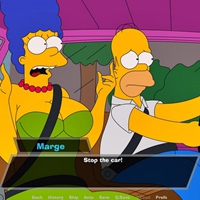
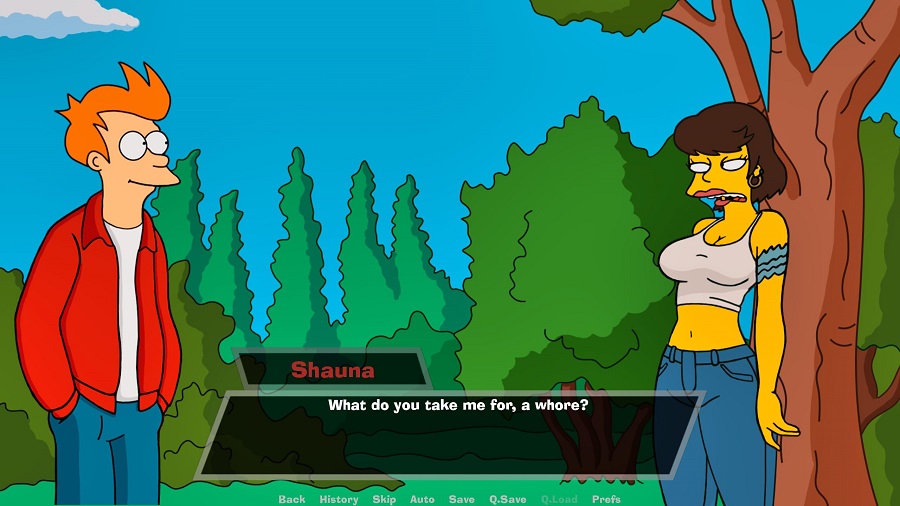
Lustfield is an adult parody adventure that drops a bewildered protagonist into a familiar cartoon suburb and asks players to guide him back home through a series of comic, challenge-driven episodes. The game frames its narrative around accidental teleportation, tongue-in-cheek references to animated sitcom culture, and situational humor, while keeping mechanics focused on approachable puzzles and short, self-contained levels. Designed for players who appreciate character-led stories and satirical writing rather than action-heavy sequences, Lustfield combines light puzzle solving with a steady progression of scenarios that emphasize timing, observation, and clever use of the environment.
The core of Lustfield is its parody crossover concept presented through a sequence of short levels, each built around a small comic premise and a specific challenge to overcome. Players encounter recognizable archetypal settings and characters that provide context for each puzzle, and the writing leans into satire rather than explicit content. Gameplay is intentionally accessible: puzzles focus on pattern recognition, object interaction, and simple logic rather than complex inputs. The tone is irreverent and character-driven, which makes each stage feel like a miniature story beat in a larger, humorous arc.
Controls in Lustfield are designed for ease and clarity so the emphasis stays on the jokes and the puzzles. Most interactions require simple taps and drags to move the protagonist through scenes, activate objects, or manipulate elements in the environment. Pacing is relaxed with no pressure-based combat: instead, timing windows, positional puzzles, and light resource management are used to create challenge. Hints appear in context for players who prefer guidance, while optional objectives in some levels reward extra observation and experimentation.
Progression in Lustfield follows a level-by-level structure where each completed scene unlocks the next installment of the story. Difficulty ramps gradually by introducing new mechanics and combinations of earlier puzzle types, encouraging players to reuse familiar approaches in novel ways. Levels are short by design, typically lasting a few minutes each, making the game convenient for brief play sessions. Optional side objectives and alternate solutions are scattered through stages to offer replay reasons without gating the core narrative behind grind or complex systems.
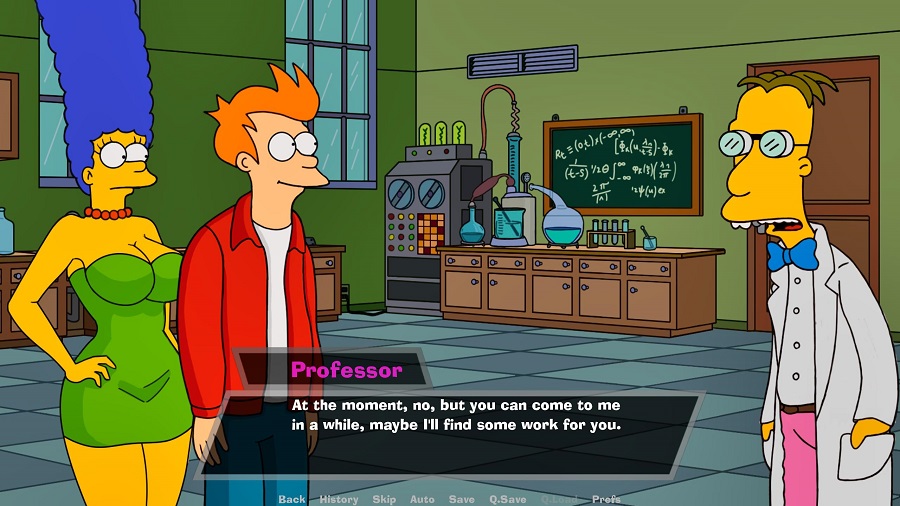
The visual design of Lustfield mirrors its satirical tone with bright, cartoon-inspired art and stylized character expressions that emphasize comedic beats. Backgrounds are layered to give each level a distinct look while keeping interactive elements clear and readable. Simple animations support the humor and provide feedback for player actions without overwhelming the scene. Visual cues are used consistently to indicate interactive objects and possible problem-solving paths, helping players focus on the puzzle rather than deciphering interface elements.
While Lustfield centers on a single protagonist and a linear comedic arc, the game offers modest ways to personalize the experience through adjustable controls and display preferences. Players can modify control sensitivity and toggle optional hint levels to suit their preferred approach to puzzles. These settings are intended to make the game more approachable for a wider audience, letting players prioritize narrative flow or deliberate problem-solving depending on their style.
Replay value in Lustfield comes from discovering alternate puzzle solutions, hunting for subtle in-level jokes, and completing optional objectives that reveal additional dialogue or scene variations. The challenge system avoids punitive mechanics and instead rewards experimentation; levels often present multiple viable paths to success and include small secrets that change the punchline or unlock an extra line of dialogue. This design encourages players to revisit favorite levels and try different approaches without forcing repetitive play.
Accessibility is considered through clear visual contrasts, adjustable controls, and contextual hinting so players with different skill levels can enjoy the story. Lustfield is playable offline after installation, which makes it convenient for travel or areas without a stable connection. The user interface is intentionally minimal, prioritizing readable text and straightforward interaction sequences so the humor and puzzles remain the focus. Because the game contains adult parody themes, the content is presented with neutral, informational labeling and is not suitable for younger audiences, but it avoids explicit sexual descriptions and concentrates on satire and comedic situations.

Cum in Out
Size:99.19M Casual2jbet Game
Size:12.94M CasualAlabell
Size:2016.37M CasualTrick or Ahri
Size:93.31M CasualRed snow
Size:216.55M CasualSumod.beta
Size:5.08M CasualTwo Weeks On
Size:123.18M CasualTightfault Revamp Edit
Size:1.14M CasualXSerum
Size:950.87M CasualDouble Homework - Remaster
Size:1310.88M CasualDevious Work : Demo
Size:92.25M CasualKnödel TD
Size:74.40M CasualApril 2024 Clash of Clans Update: Unveiling a Fresh Companion, Enhanced Levels, Chat Tagging, and Be
2024-04-16Arrival of Genshin Impact 4.6 Update: 'Embers of Two Realms, Twilight of Crimson'
2024-04-16V2.2 of the Farlight 84 update introduces an overhauled Season structure, fresh in-game currency, an
2024-04-16Monster Never Cry is now accessible on both Android and iOS mobile devices.
2024-04-18PUBG Mobile Teams Up with Bentley Motors: Luxury Cars, Exclusive Collectibles, and Beyond
2024-04-18March 2024 Free Redemption Codes for Honkai: Star Rail
2024-04-18