English
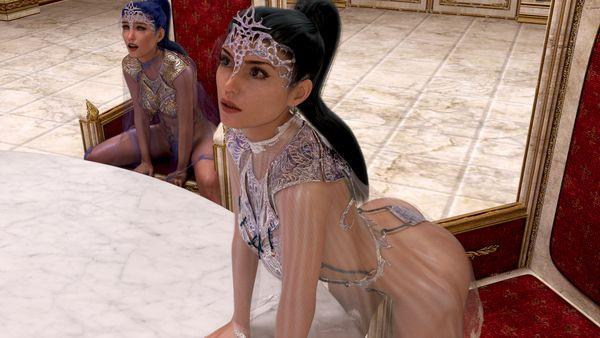
HUNTER: Space Pirates is a story-driven sci-fi action game that alternates between two linked timelines: a young protagonist grown in an adoptive household on a remote colony world, and his missing father Bradok fighting for survival inside a brutal outer-space prison controlled by merciless pirates. HUNTER: Space Pirates blends narrative exploration and character-focused scenes on the ground with tense survival and arena-style combat in orbit, inviting players to uncover family mysteries, make consequential choices, and master a variety of combat and survival systems.
The campaign alternates between chapters that emphasize different gameplay rhythms: on the colony segments you investigate clues, navigate interpersonal drama and community politics, and make dialogue choices that influence how characters respond; in the space-prison segments you confront life-or-death combat scenarios, resource scarcity, and tactical confrontations in gladiatorial arenas. Both threads advance a single overarching plot while offering contrasting experiences that inform each other.
Story content focuses on themes of identity, loyalty, and moral ambiguity rather than explicit material. Characters are developed through meaningful conversations, environmental storytelling, and flashback sequences that reveal background and motivations. Key NPCs such as Lady Drakara and other antagonists provide narrative pressure through missions and scripted encounters that shape the campaign’s direction.
HUNTER: Space Pirates uses a straightforward, touch-optimized control scheme: a customizable virtual joystick for movement, context-sensitive action buttons for interaction and combat, and tap-to-aim or auto-aim options for ranged encounters. Combat mixes close-quarters brawling with ranged encounters and environmental hazards, encouraging players to adapt tactics between stealth, hit-and-run, and direct confrontation depending on mission objectives.
Survival elements in the prison segments include limited supplies, improvised weapon crafting, and temporary alliances with other prisoners. Arena fights emphasize timing, pattern recognition, and resource management rather than button-mashing, while exploration segments reward careful observation and item use. Controls and difficulty are adjustable to accommodate different play styles and device capabilities.
Progression is driven by skill unlocks, equipment upgrades, and narrative milestones. Players earn experience and salvage to improve combat abilities and modify gear. A modular upgrade system allows upgrading weapons and personal equipment with parts found during missions, while special upgrades to the protagonist’s ship or companion gear become available as the story advances.
Customization extends to loadouts and play style: players can focus on stealth and survival builds, balanced combat trees, or heavy-weapon specializations. Choices made in dialogue and mission paths unlock different upgrade opportunities and side missions, which in turn open alternate approaches to key encounters and endings.
The game presents a cinematic sci-fi aesthetic that contrasts the quiet, lived-in interiors of a colony home with the harsh metallic corridors and roaring arenas of an orbital prison. Lighting and audio design are used to heighten tension and emphasize emotional beats, while level layouts blend linear story beats with optional side paths for exploration and scavenging.
Levels are structured as chapters with main objectives and optional side objectives. Side missions deepen character backgrounds and provide additional resources for upgrades. Replay value comes from branching dialogue options, multiple mission approaches, varied upgrade choices, and several narrative outcomes tied to player decisions, encouraging multiple playthroughs to experience alternate storylines and combat strategies.
The user interface is designed for clarity on phones and tablets, with adjustable HUD scale and simplified controls for accessibility. The game includes difficulty presets and options such as larger text, colorblind-friendly palettes, and remappable touch controls to accommodate a wider range of players. Tutorials introduce mechanics gradually and can be revisited from the main menu.
HUNTER: Space Pirates is primarily a single-player experience that supports offline play; once downloaded, most campaign content can be played without a persistent internet connection. Save states, checkpoints, and an auto-save system let players progress at their own pace. Performance settings allow players to prioritize visual fidelity or battery life on older devices.
This title suits players who enjoy narrative-driven action with moral choices, detailed character work, and adaptable combat systems. If you appreciate science-fiction settings that pair intimate, character-focused exploration with high-stakes survival and tactical arena confrontations, HUNTER: Space Pirates offers a balanced single-player campaign that rewards curiosity, planning, and emotional engagement.
Cum in Out
Size:99.19M Casual2jbet Game
Size:12.94M CasualAlabell
Size:2016.37M CasualTrick or Ahri
Size:93.31M CasualRed snow
Size:216.55M CasualSumod.beta
Size:5.08M CasualTwo Weeks On
Size:123.18M CasualTightfault Revamp Edit
Size:1.14M CasualXSerum
Size:950.87M CasualDouble Homework - Remaster
Size:1310.88M CasualDevious Work : Demo
Size:92.25M CasualKnödel TD
Size:74.40M CasualApril 2024 Clash of Clans Update: Unveiling a Fresh Companion, Enhanced Levels, Chat Tagging, and Be
2024-04-16Arrival of Genshin Impact 4.6 Update: 'Embers of Two Realms, Twilight of Crimson'
2024-04-16V2.2 of the Farlight 84 update introduces an overhauled Season structure, fresh in-game currency, an
2024-04-16Monster Never Cry is now accessible on both Android and iOS mobile devices.
2024-04-18PUBG Mobile Teams Up with Bentley Motors: Luxury Cars, Exclusive Collectibles, and Beyond
2024-04-18March 2024 Free Redemption Codes for Honkai: Star Rail
2024-04-18