English
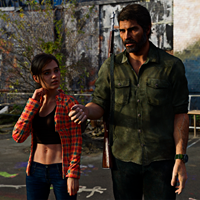
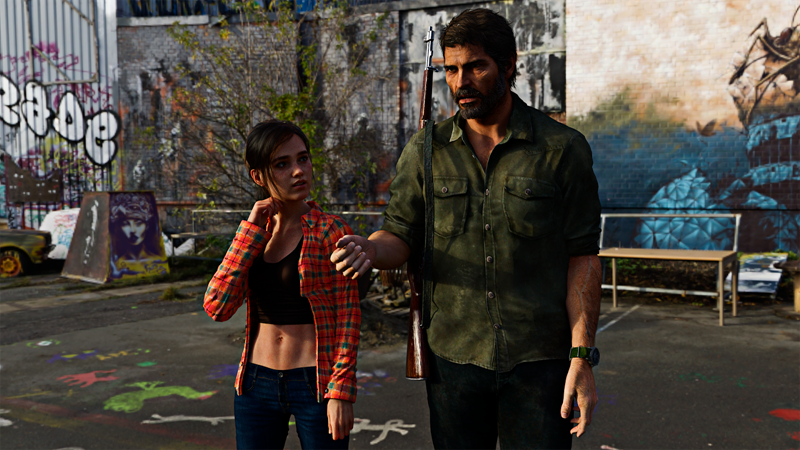
OSC The Lust of Us drops players into a tightly written, narrative-driven survival experience set in a bleak post-apocalyptic landscape where an outbreak has left communities fractured. You play as a Survivor tasked with escorting a vulnerable companion across dangerous, improvised territories while making choices that affect both immediate survival and long-term story outcomes. The introduction to OSC The Lust of Us focuses on consequence, atmosphere, and the constant trade-off between scarce resources and moral decisions, giving the game a restrained, character-led tone rather than an action-first approach.
The core gameplay blends stealth, tactical planning, and consequential decision-making. Encounters reward positioning, observation, and creative use of the environment: sometimes creating a distraction or avoiding patrols is the smarter option than direct confrontation. Escort mechanics are central — the companion reacts dynamically to threats, follows commands within reason, and their state can open or close narrative and tactical options during missions. Scavenging is meaningful: you will balance ammo, improvised tools, and consumables against immediate needs and future risks. The design encourages thoughtful routes through levels and prioritization of objectives rather than simply clearing every threat you encounter.
Controls are optimized for Android touchscreens with an emphasis on clarity and responsiveness. Movement and contextual interactions use simple gestures and on-screen controls that adapt to the situation, while aiming and cover mechanics rely on straightforward inputs and timing rather than complex combos. Inventory and interaction prompts are organized to minimize interruption, and dialog choices are presented in a readable, touch-friendly format. The control scheme is intentionally flexible so players can emphasize the actions they use most and keep the HUD minimal during cinematic sequences.
Progression in OSC The Lust of Us emphasizes meaningful choices rather than repetitive grinding. Improvements come through a combination of field decisions and resource allocation: invest in stealth tools, upgrade defensive maneuvers, or enhance scavenging efficiency based on your preferred approach. A modest crafting and repair system lets you maintain essential items and adapt existing gear to immediate needs, reinforcing the survival theme. Relationships with the companion evolve through dialogue and actions, unlocking alternate approaches to specific encounters and opening new story threads that reshape available upgrades and skills.
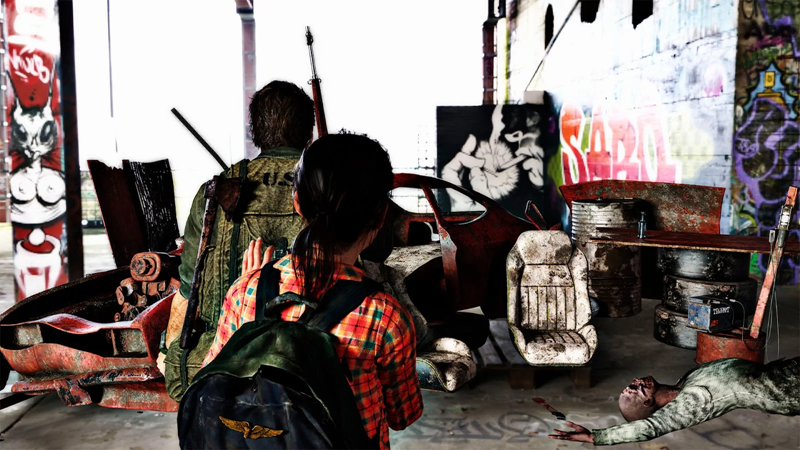
The visual direction is muted and atmospheric, designed to highlight decay, quiet human moments, and carefully staged environmental storytelling. Levels are organized as connected sectors — urban ruins, overgrown residential areas, and improvised safehouses — each with distinct challenges and tactical opportunities. Encounters are layered so a single area can be approached stealthily, bypassed through exploration, or confronted directly depending on preparation. Lighting and sound cues are used deliberately to convey threat and guide observant players toward alternative routes or hidden resources.
Replayability arises from branching story paths, the consequences of decisions, and variable resource distribution. Choices made during missions influence later events, opening different narrative possibilities and endings on subsequent playthroughs. The challenge system scales subtly through enemy behavior, encounter placement, and resource scarcity rather than abrupt difficulty spikes, which encourages players to experiment with stealth tactics, different upgrade combinations, and alternate approaches to the same scenario.
The game is designed to be approachable for a wide range of players with adjustable difficulty settings, scalable text sizes, and comprehensive subtitles. Menus and prompts use plain language and clear icons to reduce confusion during tense moments. Options exist to customize input sensitivity, HUD visibility, and notification frequency to suit different playstyles. Those accessibility features are intended to keep the narrative pacing intact while allowing players to tailor the interface and challenges to their comfort level.
Built as a single-player experience, OSC The Lust of Us runs fully offline and is optimized for a wide spectrum of Android devices. Performance settings let you prioritize battery life or visual fidelity, and graphics scaling keeps frame rates steady on lower-end hardware. The result is a compact, immersive title that highlights atmosphere, tactical play, and meaningful choices without requiring a persistent network connection or online services.

Cum in Out
Size:99.19M Casual2jbet Game
Size:12.94M CasualAlabell
Size:2016.37M CasualTrick or Ahri
Size:93.31M CasualRed snow
Size:216.55M CasualSumod.beta
Size:5.08M CasualTwo Weeks On
Size:123.18M CasualTightfault Revamp Edit
Size:1.14M CasualXSerum
Size:950.87M CasualDouble Homework - Remaster
Size:1310.88M CasualDevious Work : Demo
Size:92.25M CasualKnödel TD
Size:74.40M CasualApril 2024 Clash of Clans Update: Unveiling a Fresh Companion, Enhanced Levels, Chat Tagging, and Be
2024-04-16Arrival of Genshin Impact 4.6 Update: 'Embers of Two Realms, Twilight of Crimson'
2024-04-16V2.2 of the Farlight 84 update introduces an overhauled Season structure, fresh in-game currency, an
2024-04-16Monster Never Cry is now accessible on both Android and iOS mobile devices.
2024-04-18PUBG Mobile Teams Up with Bentley Motors: Luxury Cars, Exclusive Collectibles, and Beyond
2024-04-18March 2024 Free Redemption Codes for Honkai: Star Rail
2024-04-18