English
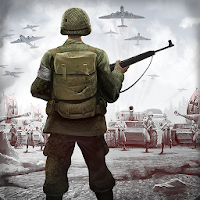
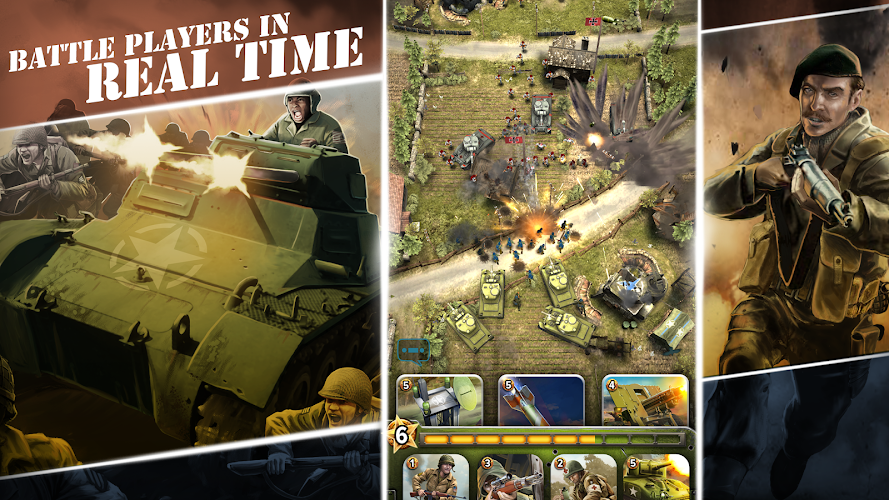
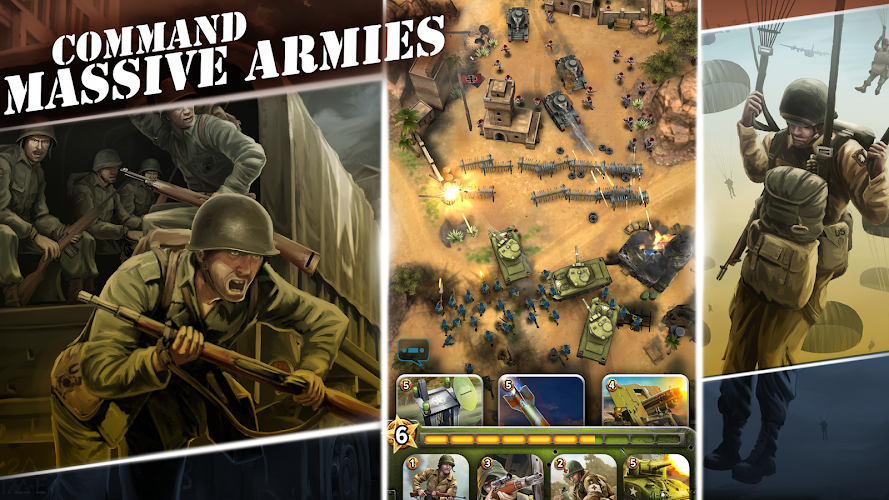
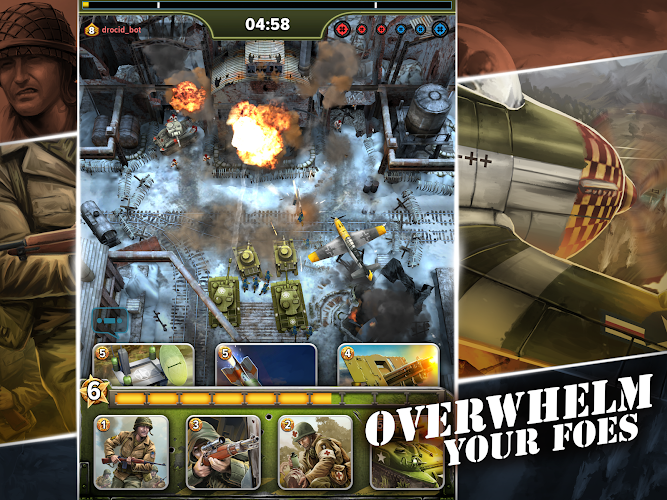
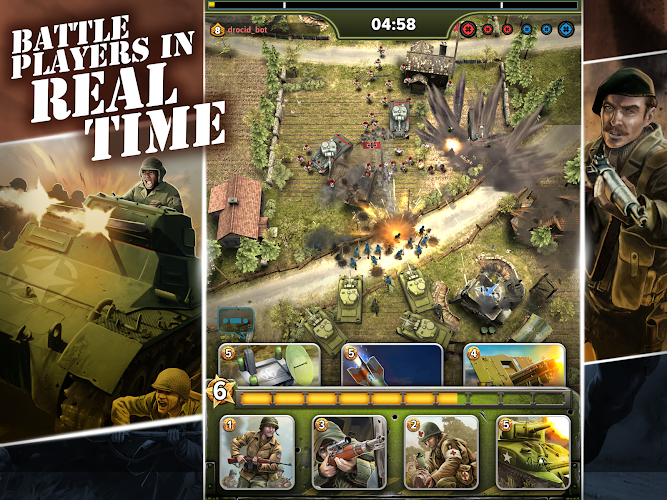
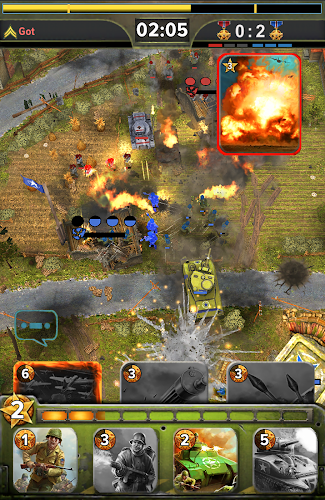
SIEGE: World War II drops you into tense, head-to-head military card battles set during the Second World War, offering fast PvP duels and a practice mode so you can refine decks before you face real opponents. The core loop is simple to pick up: assemble and upgrade a deck of infantry, armor and support cards, then deploy them in live matches or test combinations against CPU opponents. Collectible units include rifle squads, snipers, paratroopers and bazooka teams while heavier options like tanks, artillery strikes and air support create moments of dramatic swing. Seasonal leaderboards and prestige tiers reward steady play and strategic adaptation.
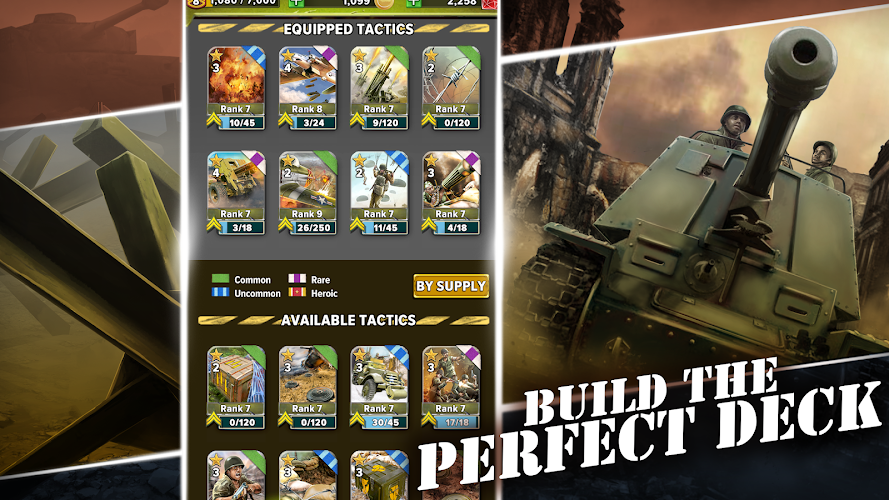
The highlights of SIEGE: World War II include real-time PvP where split-second decisions matter, a deep deck-building system and a range of historically inspired units and support options such as minefields, airdrops and precision artillery. Alliance mechanics allow groups of players to pool resources and coordinate for higher leaderboard positions, and twice-weekly personal challenges give short-term goals alongside longer seasonal progression. Prestige tiers can unlock early access to unreleased cards for committed players, while regular updates keep the meta shifting so every season feels different.
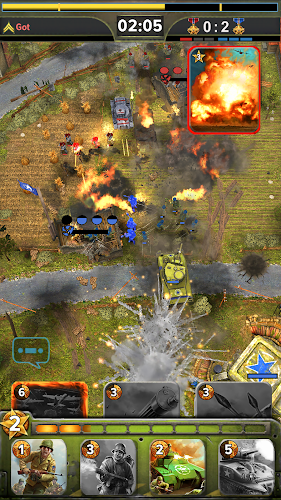
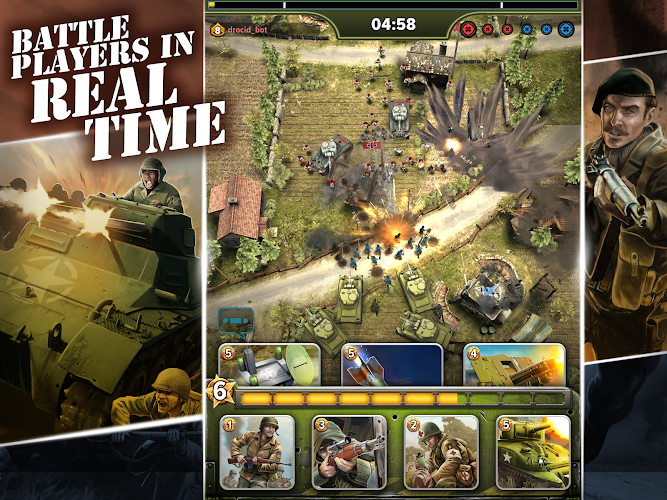
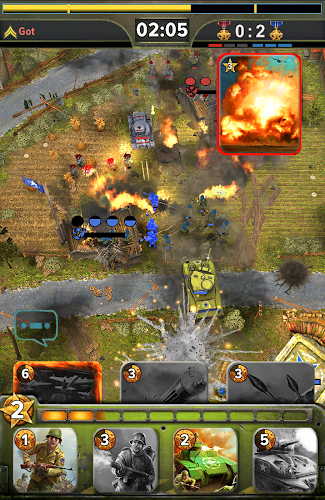
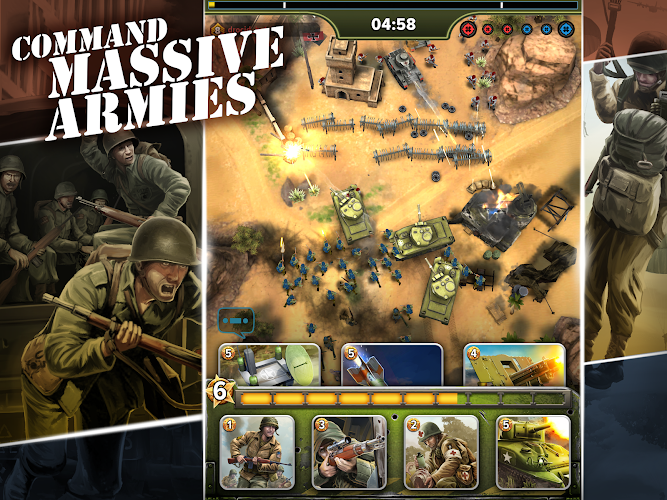
Matches are designed around quick decision-making: you choose which card to play, where to deploy it and when to commit support tactics. The interface is built for touch play on phones and tablets, with clear card previews, cooldown indicators and straightforward gestures for selecting and placing units. Games are short and focused, encouraging repeated rounds and experimentation with different deck archetypes. Matchmaking pairs you with similarly ranked opponents to keep games competitive and rewarding.
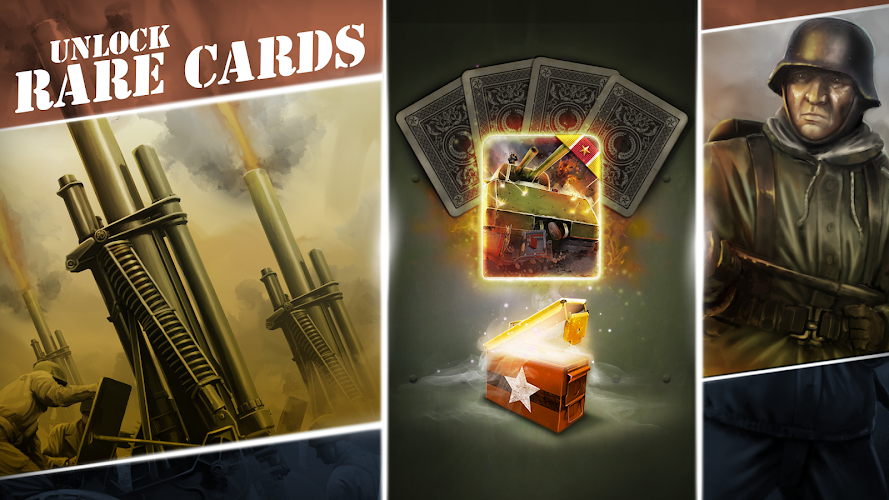
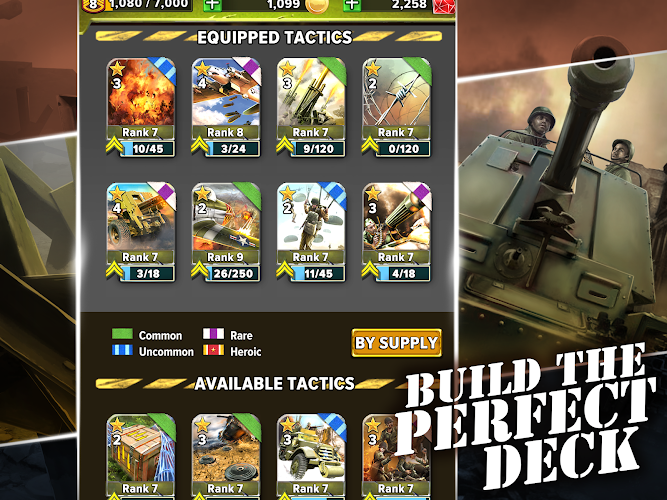
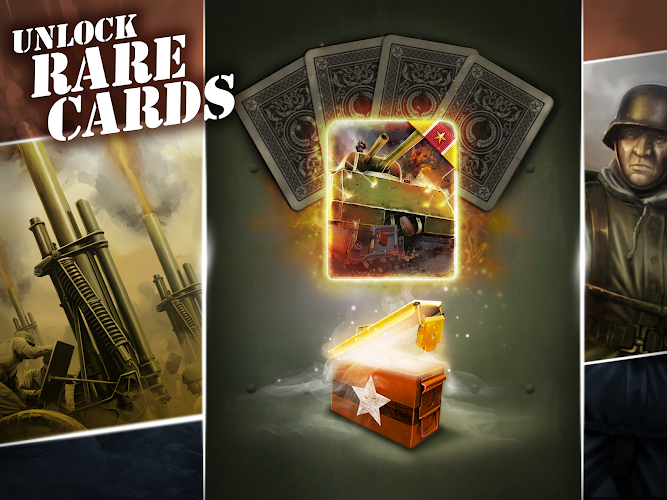
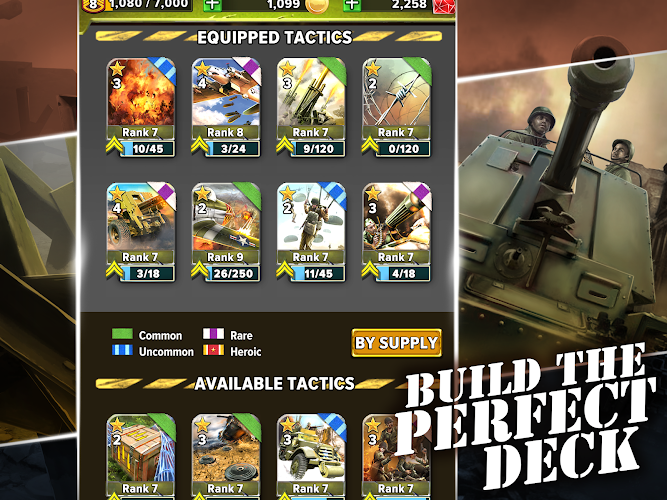
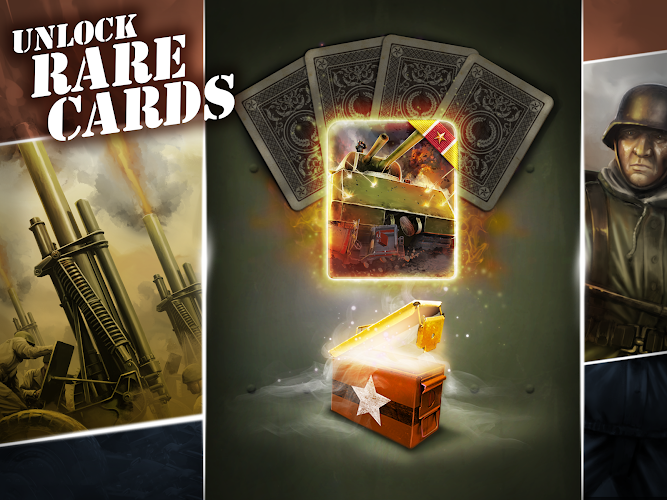
Progression in SIEGE: World War II revolves around collecting, unlocking and upgrading cards to strengthen your deck. Upgrades enhance unit durability or combat effectiveness and are earned through regular play, seasonal rewards and alliance contributions. Deck customization is meaningful: players must balance frontline infantry with heavier tanks and timed support cards to answer many possible opponent plans. Prestige tiers provide an extra layer of long-term goals for players who enjoy structured advancement and exclusive early access content.
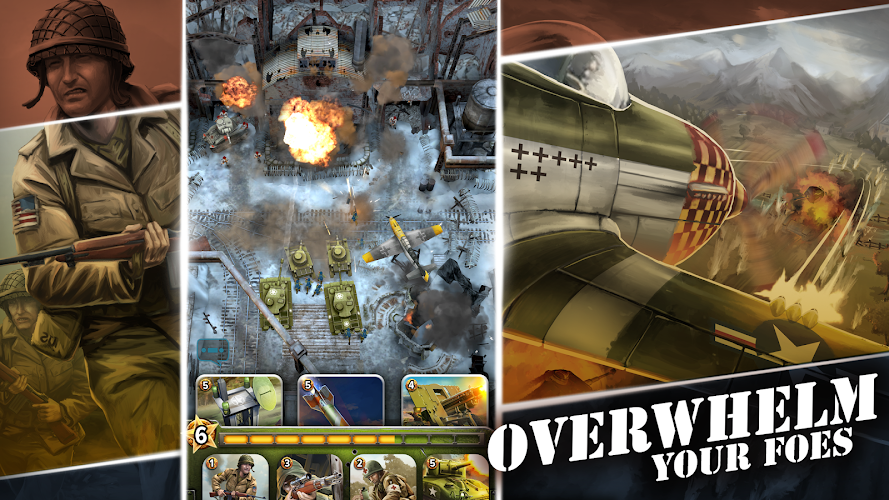
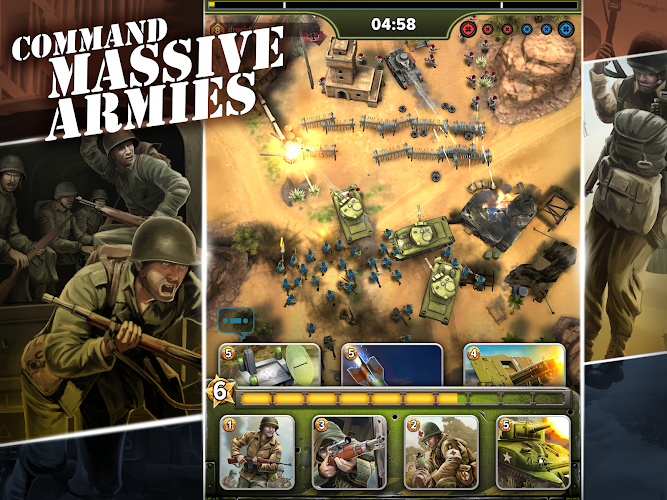
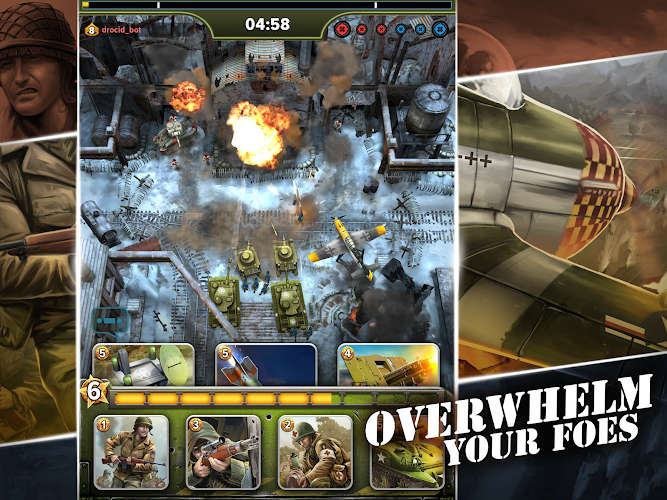
The visual presentation favors a realistic but readable aesthetic, with clear unit models and battlefield effects so you can assess threats at a glance. Arenas are compact and focused on tactical positioning rather than open-ended movement, which supports quick rounds and emphasizes card synergy over micro-level control. Seasonal cycles introduce new cards and balance adjustments, effectively functioning as shifting level sets that change the strategic landscape without altering the core match format.
Alliances in the game provide social depth beyond one-on-one matches: players can join or form groups to share progress, trade surplus cards and coordinate their efforts on seasonal leaderboards. Cooperative planning and card donations help members progress faster, and alliances add a persistent social goal that complements individual ranking ambitions. These systems are useful for players who prefer coordinated long-term play rather than only individual matches.
For newcomers and players polishing new decks, an offline practice mode against bots lets you test strategies without the pressure of ranked matches. These AI opponents simulate common tactics so you can trial responses and learn timing for support cards. The UI design aims to be accessible: clear tooltips, readable icons and progressive challenges help players learn mechanics at their own pace while retaining depth for experienced competitors.
Replayability comes from a combination of seasonal updates, shifting meta and the deck-building sandbox. Twice-weekly personal challenges provide bite-sized objectives to chase between seasons, encouraging varied playstyles and experimentation. Regular card additions and balance patches force players to rethink established decks, and the ranking ladder together with alliance competition creates both immediate and long-term goals to return for.
SIEGE: World War II rewards tactical thinking, quick adaptation and thoughtful deck construction, offering a blend of short-match intensity and longer-term progression. Players who enjoy experimenting with unit combinations and climbing seasonal leaderboards will find consistent depth. Those new to competitive PvP should expect a learning curve and occasional tough matchups as they build their collection and upgrade key cards, but offline practice and alliance support help bridge the gap.
Incoming! Goblins Attack TD
Size:153.22M StrategyMafia Mobile
Size:1393.00M Strategy9 Kings
Size:213.85M StrategyEvil Defenders
Size:25.06M StrategyElemental Merge Game
Size:161.45M StrategyGreat Conqueror
Size:139.53M StrategyTeamfight Tactics PBE
Size:52.70M StrategyNightfall
Size:190.40M StrategyBack Wars
Size:46.50M StrategyLOST in Blue 2: Fate's Island
Size:66.91M StrategyShogun's Empire: Hex Commander
Size:130.00M StrategyArk of War: Aim for the cosmos
Size:96.17M StrategyApril 2024 Clash of Clans Update: Unveiling a Fresh Companion, Enhanced Levels, Chat Tagging, and Be
2024-04-16Arrival of Genshin Impact 4.6 Update: 'Embers of Two Realms, Twilight of Crimson'
2024-04-16V2.2 of the Farlight 84 update introduces an overhauled Season structure, fresh in-game currency, an
2024-04-16Monster Never Cry is now accessible on both Android and iOS mobile devices.
2024-04-18PUBG Mobile Teams Up with Bentley Motors: Luxury Cars, Exclusive Collectibles, and Beyond
2024-04-18March 2024 Free Redemption Codes for Honkai: Star Rail
2024-04-18