English
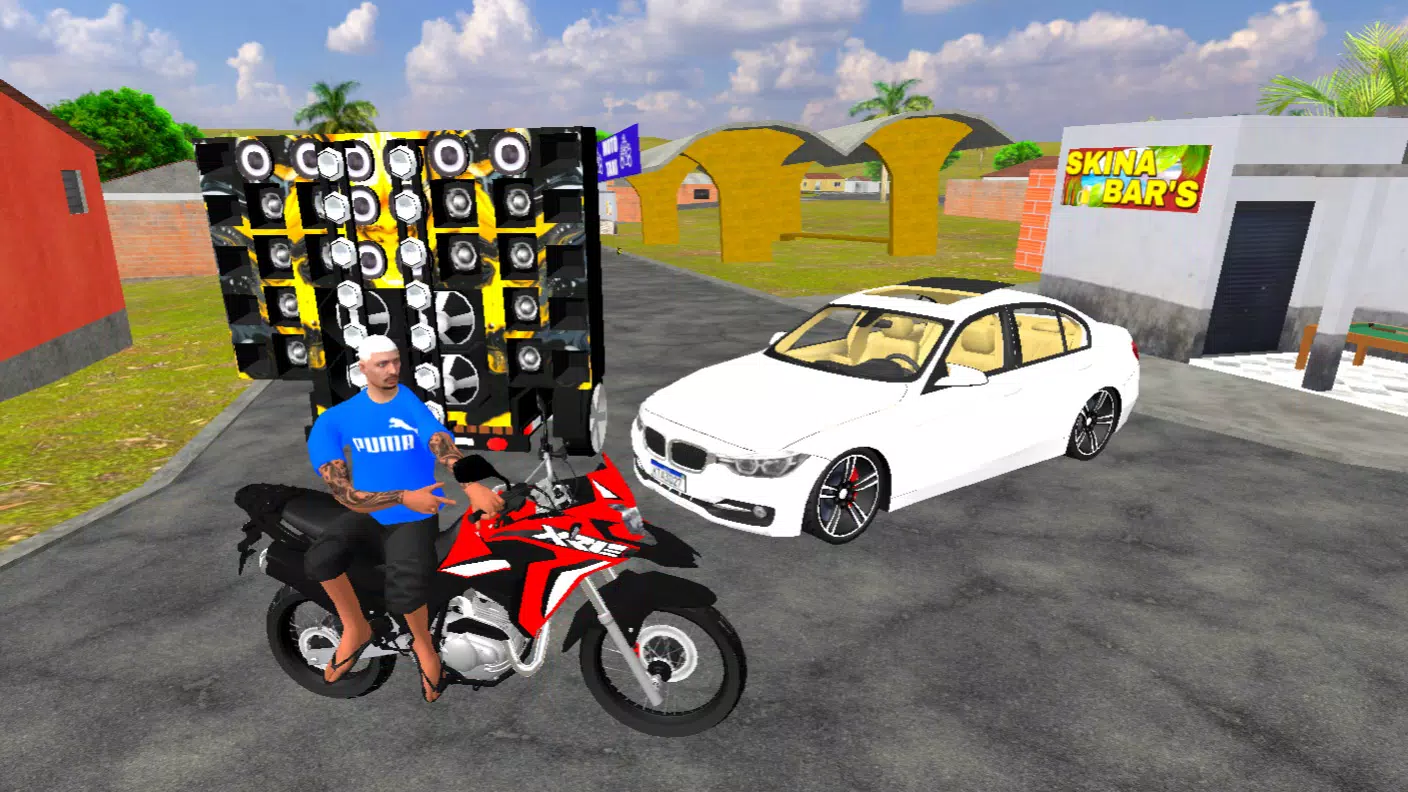
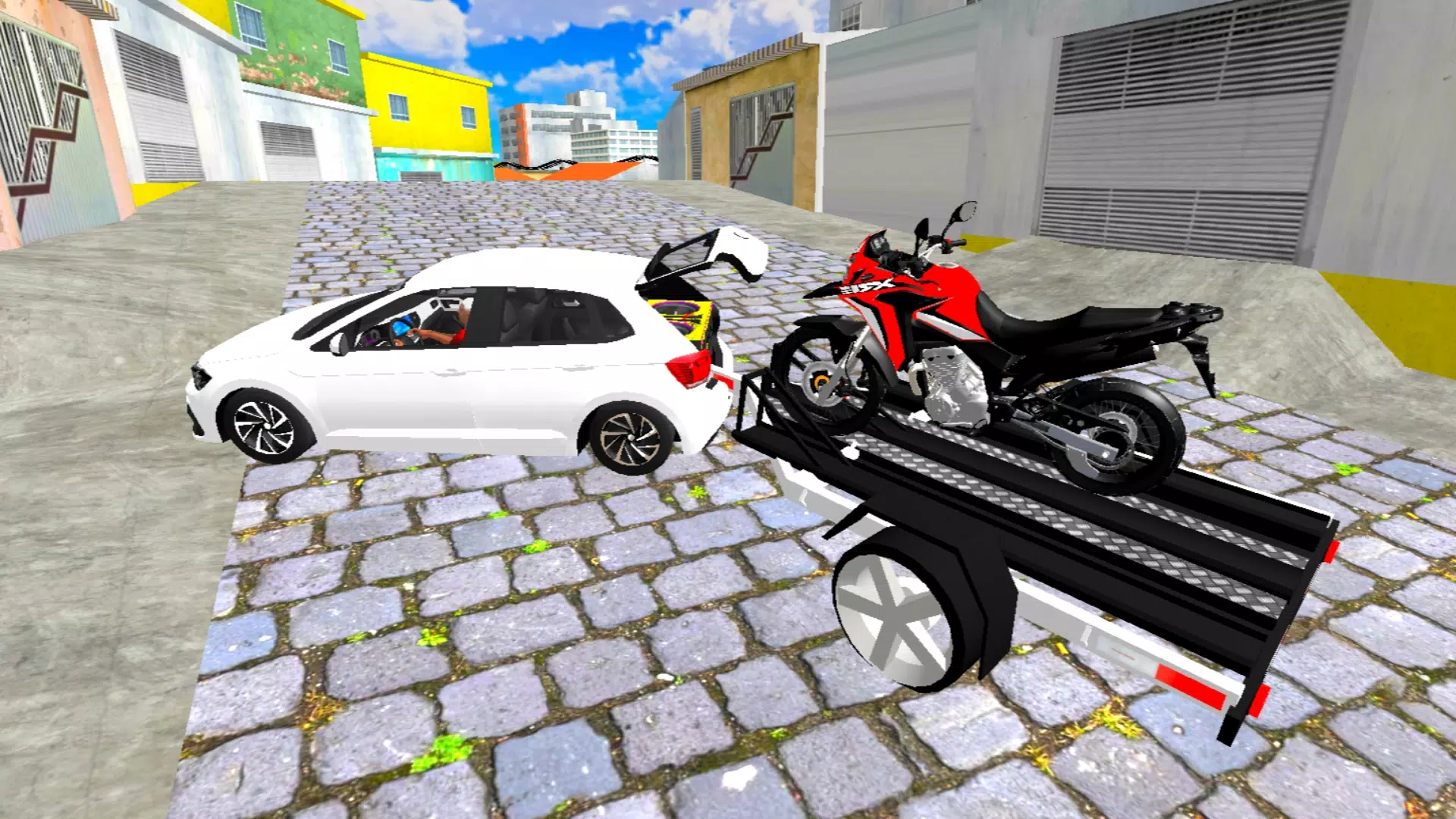
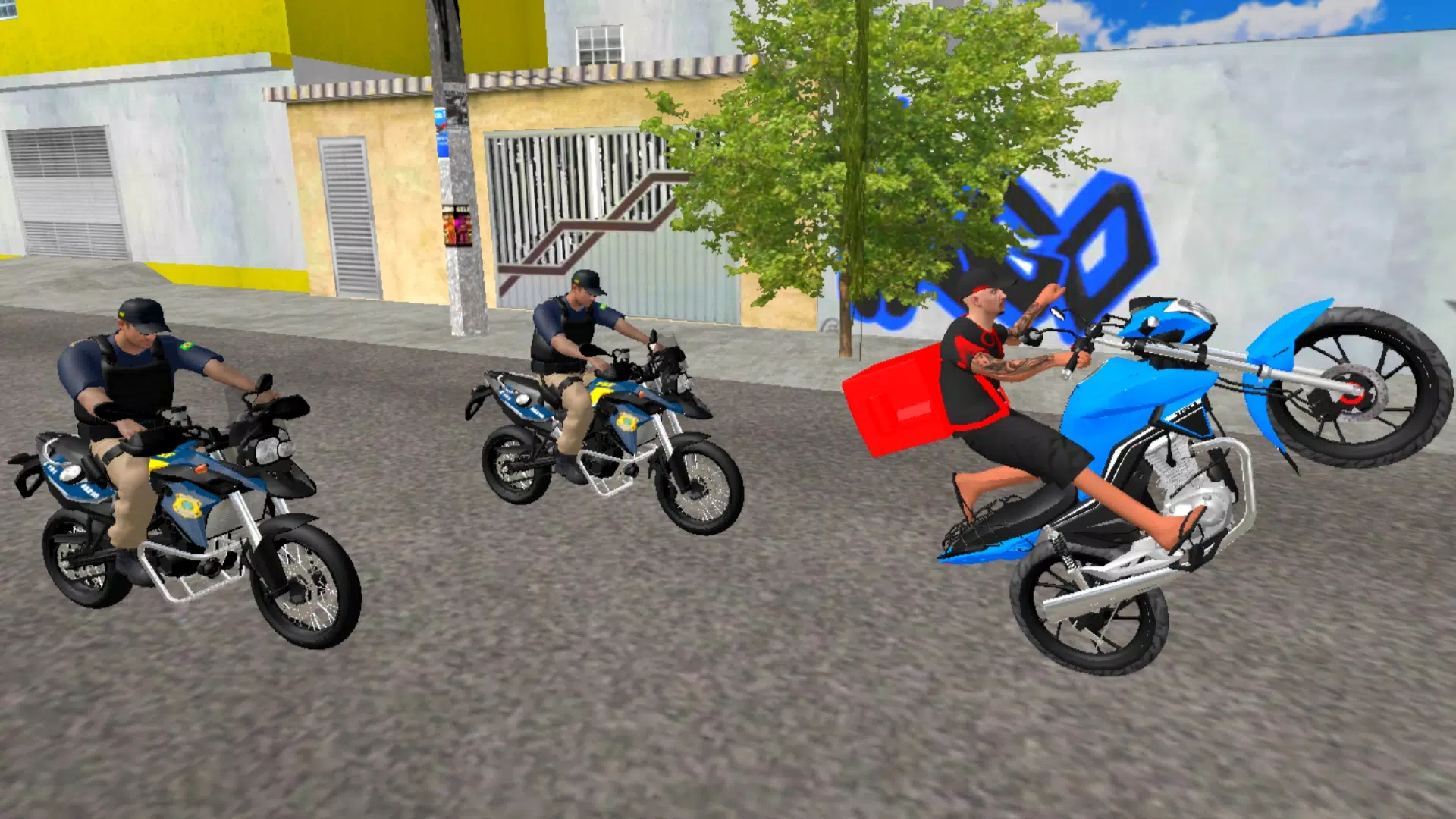
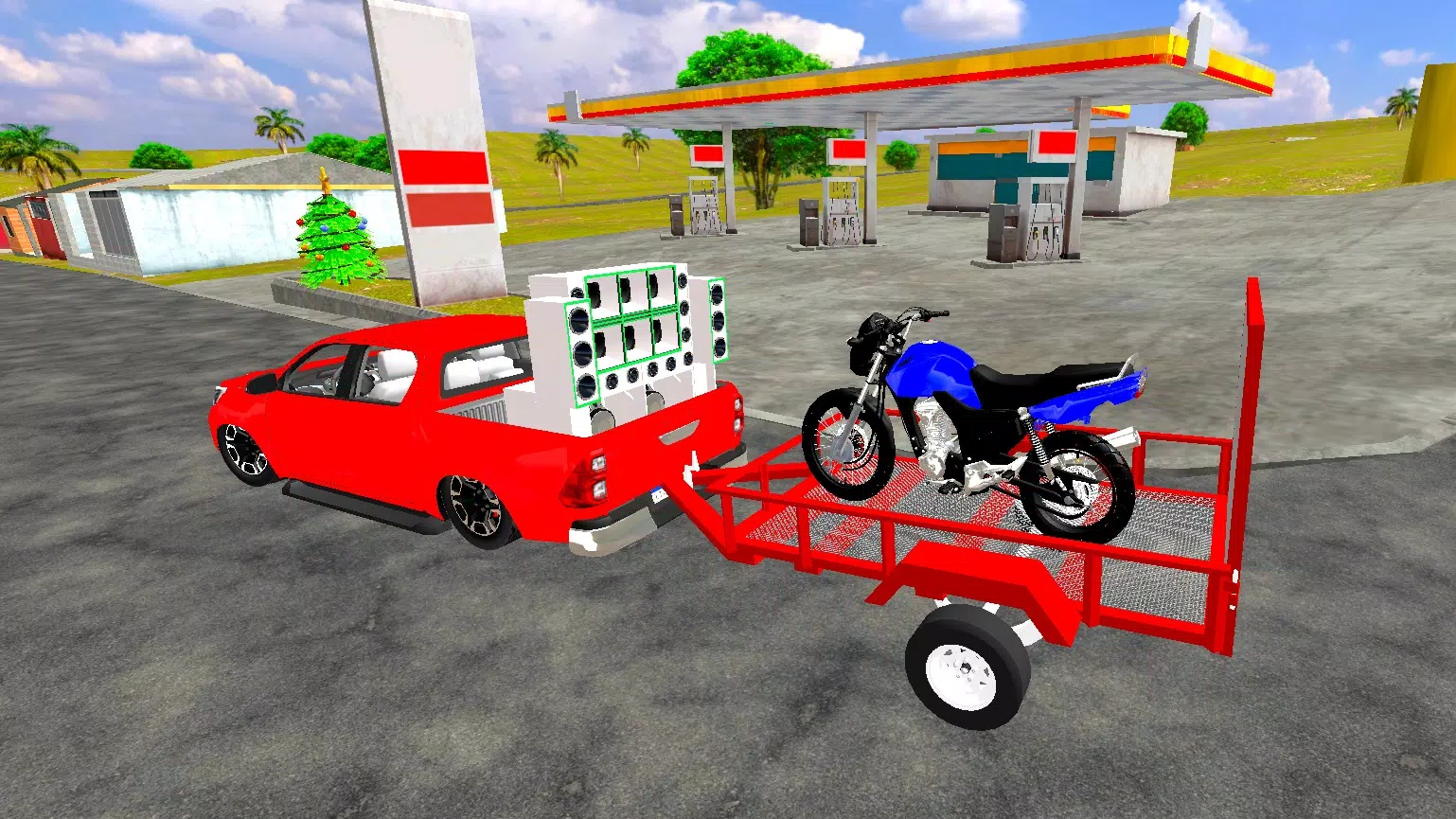
Grau De Moto brings a realistic motorbike riding experience to mobile devices, placing players behind the throttle for free-roam exploration of a detailed urban environment. This editor overview focuses on the game's core appeal: a relaxed open world designed for cruising, experimenting with bike setups, and practicing riding techniques without imposing strict mission chains or competitive pressures. The city is presented with traffic flows, varied road surfaces and visual landmarks that encourage exploration while preserving a controllable, simulation-leaning riding feel.
In Grau De Moto the handling aims to balance authenticity with accessibility: physics and weight transfer matter during turns, braking and acceleration, but the control scheme is tunable so players can choose what feels best for them. Typical control options include on-screen buttons, a virtual throttle and brake, and tilt steering, plus adjustable sensitivity sliders to fine tune responsiveness. Camera views can be switched between close rider perspectives and wider chase cams to help with stunts or navigation. Practical touches like brake-assist toggles and simplified steering modes make the game approachable for new riders while still rewarding players who prefer a more manual, technical approach to cornering and traction management.
The progression model centers on player-driven improvement rather than linear levels: you unlock or purchase upgrades that change performance characteristics, swap parts to alter handling, and refine setups through trial and error. Instead of forcing a strict sequence of objectives, the game supports self-directed goals such as improving lap times, mastering trick combos in safe practice areas, or customizing a build for a particular riding style. Challenge systems are intentionally informal and locally focused; timers, point-based trick sessions and rider-created checkpoints provide measurable targets without requiring online connections or leaderboards. These elements create a gentle learning curve and long-term goals that encourage players to return to the city and experiment with different bikes and configurations.
Within Grau De Moto the customization suite is a core player expression tool: visual recolors, decal placement and cosmetic parts let you shape the look of each bike, while mechanical upgrades and part swaps affect acceleration, top speed, suspension behavior and braking. The game exposes tuning parameters so enthusiasts can adjust gear ratios, suspension stiffness and tire selection to suit different road conditions or personal preferences. Visual previews and comparison screens help you decide which parts make the most sense for a given build, and incremental upgrade costs create a steady sense of progression without gating access to core gameplay.
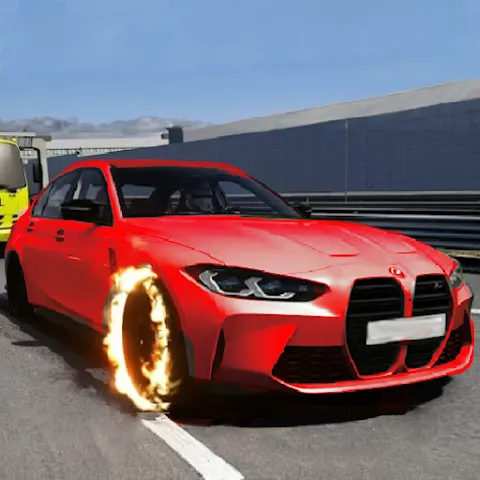
The visual presentation blends realistic vehicle models and urban textures with optimization choices for mobile hardware, offering options to prioritize frame rate or graphical fidelity. The city is broken into distinct districts such as a dense downtown, industrial outskirts and coastal roads, each with unique road layouts and ambient traffic patterns that invite different riding approaches. Landmarks and environmental variety serve both as navigational aids and as backdrops for capture-worthy rides, and day-night lighting plus weather cues contribute to atmosphere while also affecting surface traction in subtle ways.
Replay value comes from the freedom to create new objectives: trying a different bike, chasing cleaner lap times, or building the ultimate cruising machine. The game supports quick sessions and longer play periods with an intuitive pause-and-resume flow, and in-game hints and a practice mode offer safe spaces to learn advanced maneuvers. The interface is designed to minimize friction when switching bikes, applying paint jobs, or testing setups so you can spend more time riding and less time navigating menus.
The title includes accessibility-minded controls and settings that allow players to adjust input sensitivity, enable riding assists, change button layouts and access concise tutorials explaining mechanics and tuning. Offline play is supported, so core features such as free-roam riding, customization and local challenge modes are available without a persistent network connection. This makes the game suitable for short commutes or situations where connectivity is limited while preserving the depth of bike tuning and exploration.
The game is well suited to players who appreciate motorbike simulation and casual open-world cruising rather than strict mission-based progressions. Grau De Moto appeals to riders who like hands-on customization, incremental performance tuning and a relaxed sandbox to practice tricks or refine setups. If you value an authentic riding feel, adjustable controls and a city designed to reward exploration, this title offers a focused, approachable mobile motorbike experience that invites repeat play without demanding competitive commitments.

Horizon Chase 3D Racing
Size:116.96M SportsTop Cars Driving
Size:140.25M SportsRacing Masters
Size:3379.00M SportsHead Ball 2
Size:145.35M SportsKick it out 2026
Size:43.00M SportsDream League Soccer 2018
Size:71.97M SportsWorld Championship Billiards
Size:90.82M SportsSoccer Legend
Size:157.30M SportsFun Run 4
Size:161.42M SportsBoxing Hero
Size:31.90M SportsCSR 3
Size:3174.40M SportsWicket Cricket Manager Game
Size:68.12M SportsApril 2024 Clash of Clans Update: Unveiling a Fresh Companion, Enhanced Levels, Chat Tagging, and Be
2024-04-16Arrival of Genshin Impact 4.6 Update: 'Embers of Two Realms, Twilight of Crimson'
2024-04-16V2.2 of the Farlight 84 update introduces an overhauled Season structure, fresh in-game currency, an
2024-04-16Monster Never Cry is now accessible on both Android and iOS mobile devices.
2024-04-18PUBG Mobile Teams Up with Bentley Motors: Luxury Cars, Exclusive Collectibles, and Beyond
2024-04-18March 2024 Free Redemption Codes for Honkai: Star Rail
2024-04-18