English
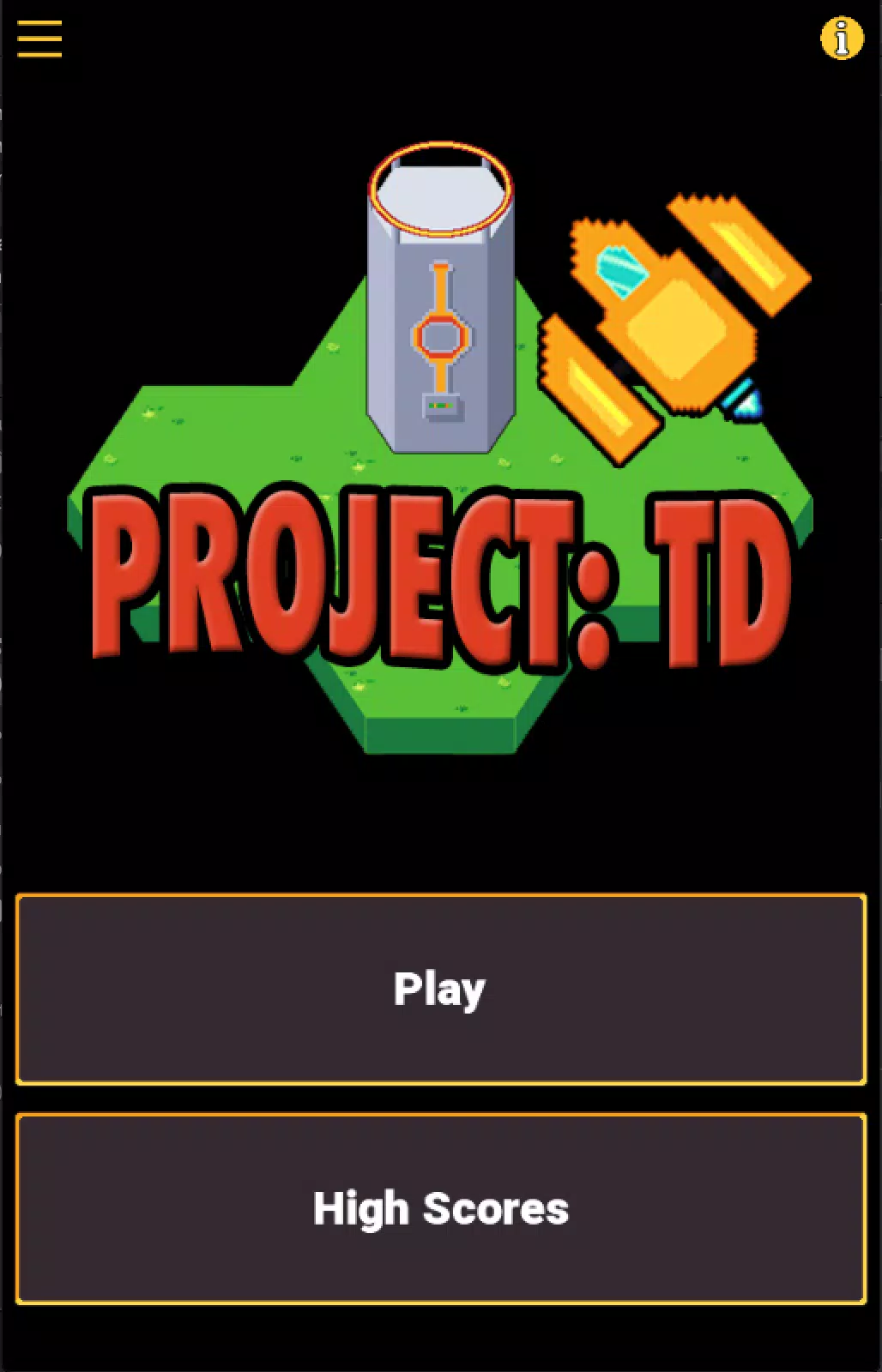
Project: TD reimagines tower defence for mobile by combining classic base-building tactics with GPS-based movement so players must think strategically while moving through real environments. In Project: TD you construct and upgrade defensive towers, intercept waves of alien space monsters, and collect loot that fuels progression and short-term boosts. This introduction explains how the game blends tactical planning, physical exploration and accessible controls to create a mobile experience that rewards both strategy and activity.
The core loop in Project: TD keeps familiar tower defence foundations—choosing tower types, positioning defenses and reacting to enemy wave patterns—while adding a layer of location-aware decision making. Instead of static lanes, bases and spawn points are tied to places in the real world, so route planning and movement influence which towers you can deploy and when. Towers have distinct roles such as area denial, single-target damage or support effects; upgrading them changes range, fire rate and special effects. Loot drops from defeated waves provide materials and temporary boosts that encourage exploration and tactical risk-taking rather than grinding.
Controls are optimized for one-handed mobile play with intuitive tap-and-drag placement, pinch-to-zoom on the local map and simple contextual menus for upgrades and abilities. GPS movement is passively tracked, meaning players do not need to manage complex motion controls: walk or travel through neighborhoods and the game updates tower availability and event triggers. Defensive actions like activating special abilities or re-targeting priority threats are performed with quick taps so you can keep attention on your surroundings. The interface is laid out to minimize distraction while on the move and includes brief in-app tutorials that demonstrate placement and upgrade flows.
Progression in the game is driven by both short sessions and long-term growth. Each successful mission grants loot and experience used to unlock new tower tiers, passive upgrades and cosmetic options for your base. Boosts found during play offer temporary enhancements—faster construction, increased resource gains or improved tower accuracy—that change how you approach a run. The progression curve encourages experimentation: you can prioritize a few powerful towers or diversify to cover many threat types, and resource costs scale so players make meaningful choices about upgrades and exploration.
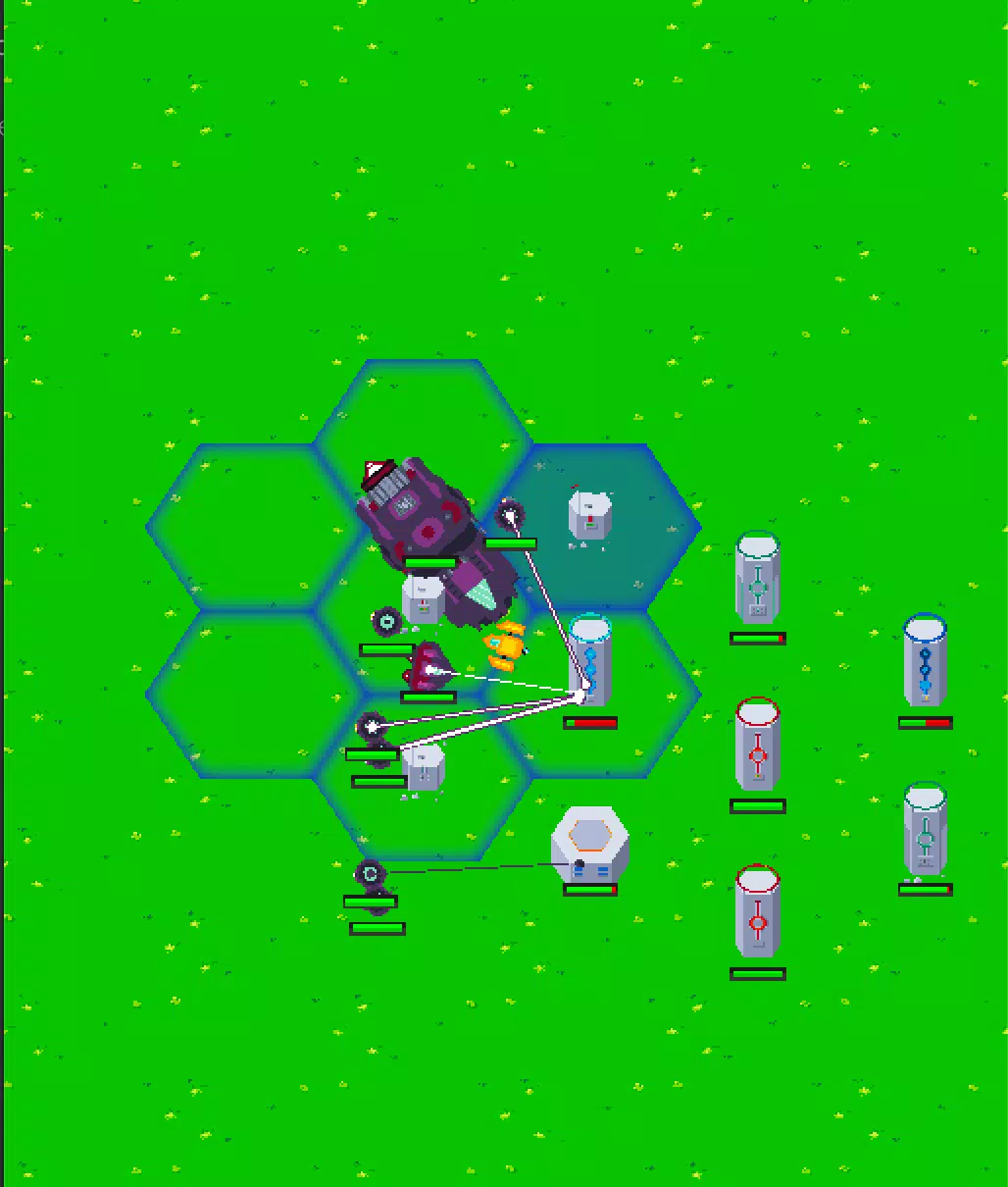
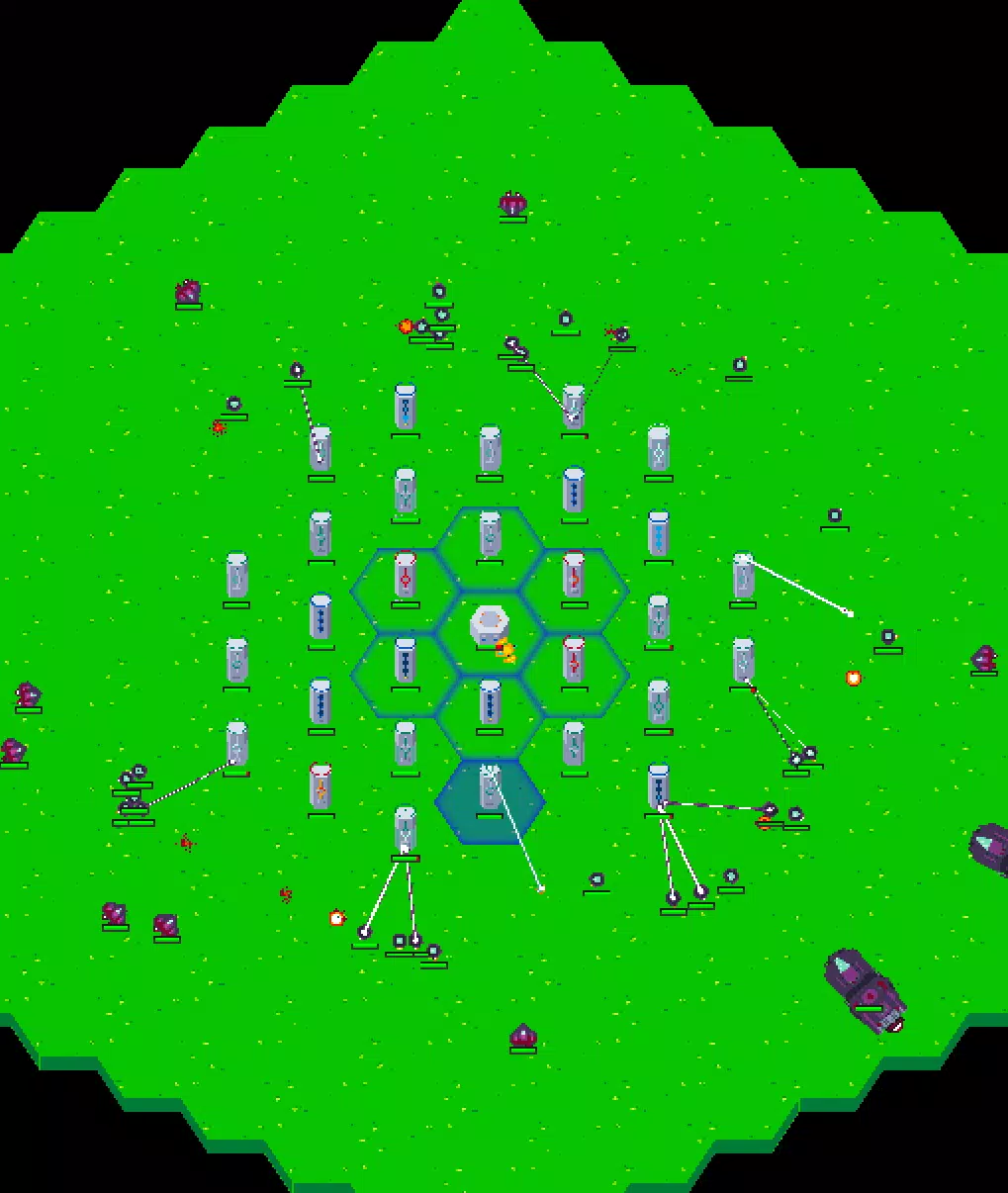
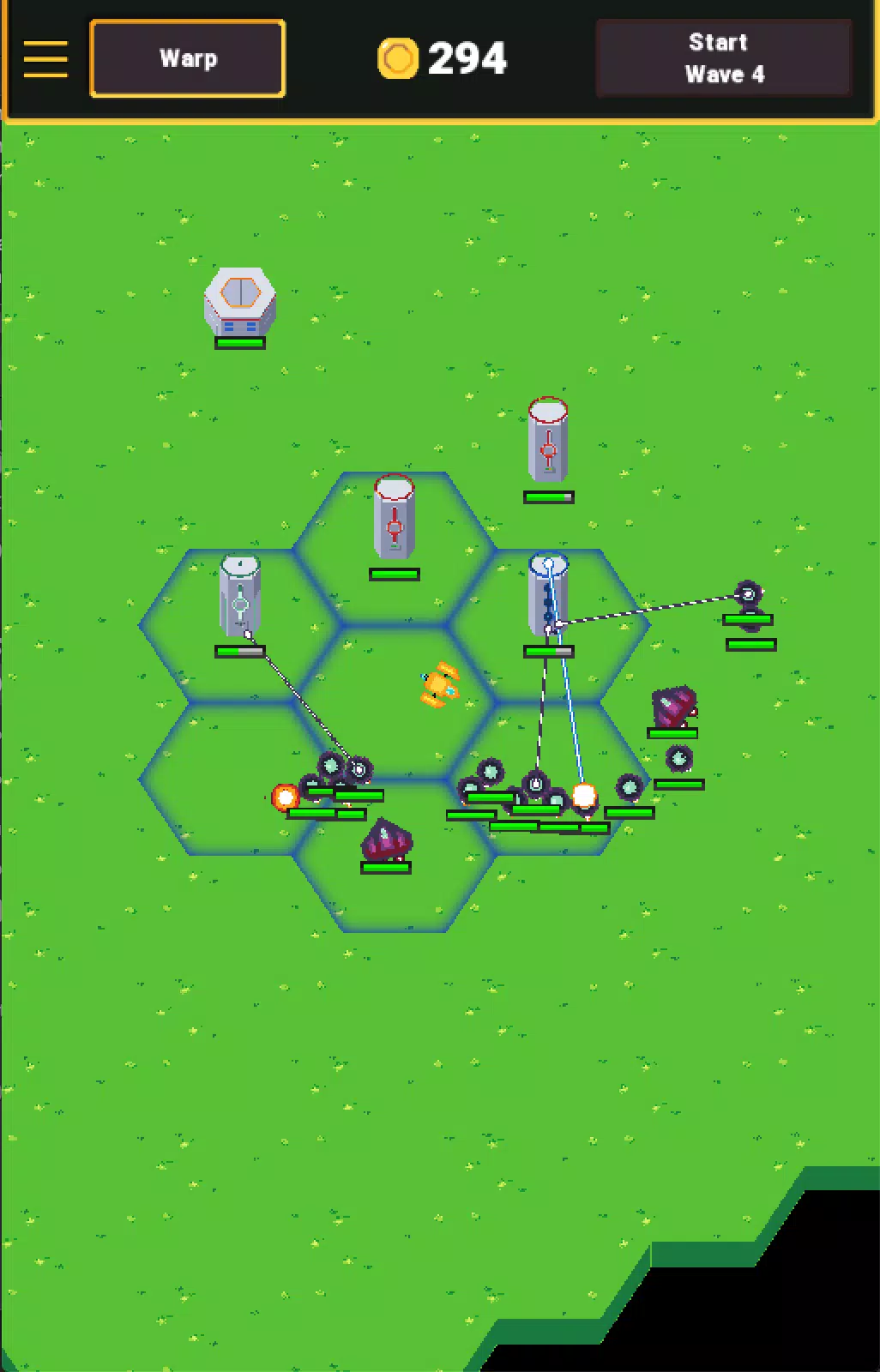
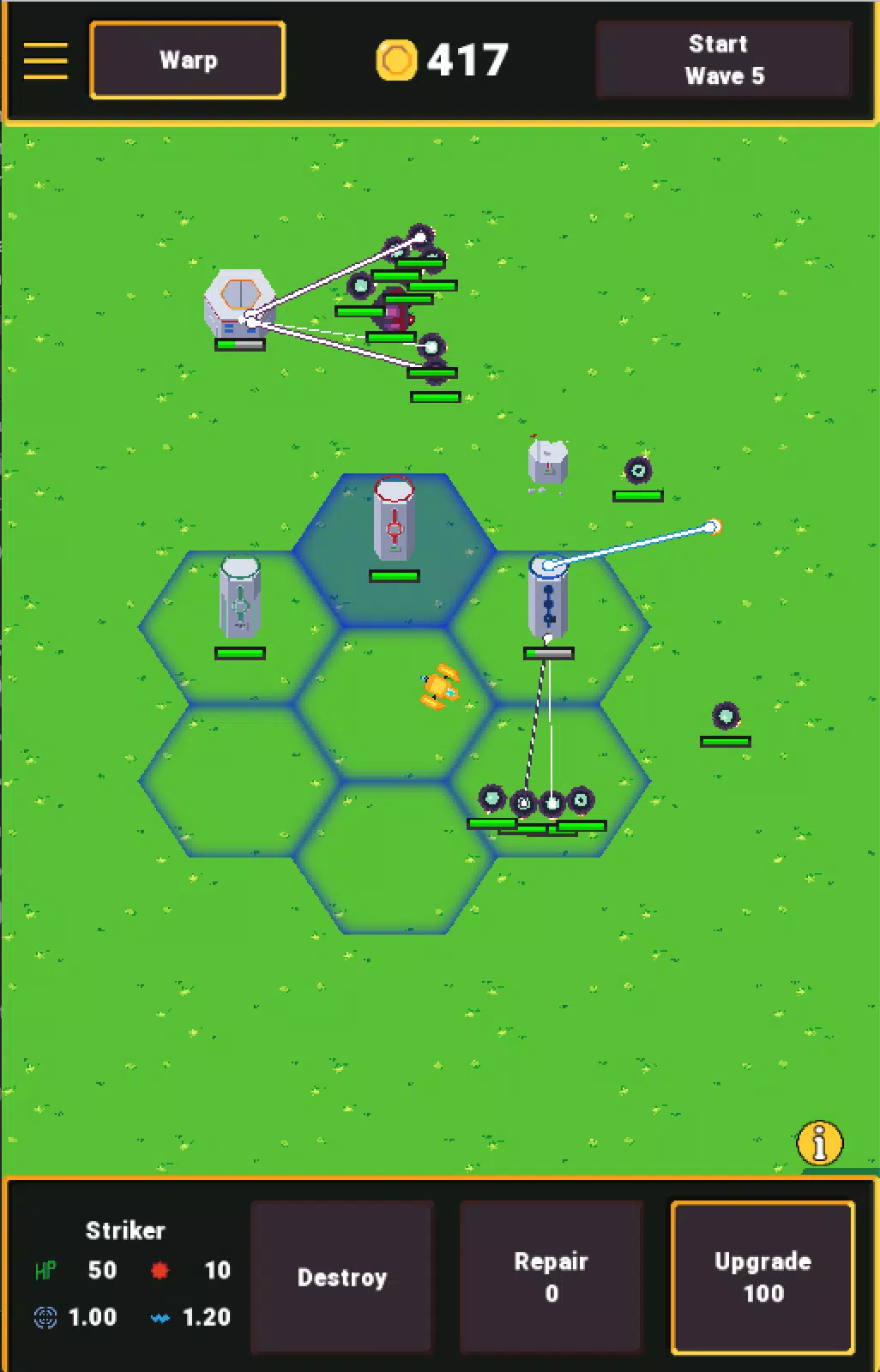
Visually, Project: TD uses a clean, readable aesthetic that balances stylized sci-fi elements with legible HUD components suitable for outdoor play. Enemies are distinct in silhouette and color so threat types are recognizable at a glance, and towers have clear visual feedback for targeting and damage. Level encounters are structured around neighborhood-scale zones rather than rigid levels; waves escalate in difficulty and vary by biome or urban density, so a downtown street may present different tactical challenges than a suburban park. This design keeps encounters varied while remaining easy to understand while moving.
Customization focuses on meaningful choices rather than vanity-only options. Players can specialize tower loadouts, tune upgrade paths and adapt bases to preferred playstyles—more defensive, more mobile or focused on area control. Loot drops and random event modifiers add variability to each session so runs feel distinct; the combination of tower choices, environmental constraints and loot creates emergent situations that reward adaptation. Replay value comes from trying different builds, exploring new neighborhoods to discover rare resources, and mastering wave patterns under changing conditions.
Project: TD considers accessibility with adjustable text sizes, optional haptic feedback and scalable difficulty that respects physical ability. While GPS is central to the concept, the game offers an offline-friendly mode that simulates movement through shorter, localized scenarios for practice or for players who prefer limited outdoor time; this mode does not replicate full location features but preserves core tower mechanics and progression. The user experience emphasizes safety: clear prompts remind players to stay aware of surroundings and explicit settings let users control location permissions and background tracking.
Challenge systems in Project: TD include escalating wave difficulty, environmental modifiers such as reduced GPS accuracy in dense areas, and optional objective missions that change reward structures. The game supports community-driven activities like coordinated local meetups or scheduled neighborhood challenges organized by players rather than built-in online leagues. These design choices keep the focus on strategy, planning and physical exploration while providing goals that extend the lifespan of play without relying on persistent online systems.
Incoming! Goblins Attack TD
Size:153.22M StrategyMafia Mobile
Size:1393.00M Strategy9 Kings
Size:213.85M StrategyEvil Defenders
Size:25.06M StrategyElemental Merge Game
Size:161.45M StrategyGreat Conqueror
Size:139.53M StrategyTeamfight Tactics PBE
Size:52.70M StrategyNightfall
Size:190.40M StrategyBack Wars
Size:46.50M StrategyLOST in Blue 2: Fate's Island
Size:66.91M StrategyShogun's Empire: Hex Commander
Size:130.00M StrategyArk of War: Aim for the cosmos
Size:96.17M StrategyApril 2024 Clash of Clans Update: Unveiling a Fresh Companion, Enhanced Levels, Chat Tagging, and Be
2024-04-16Arrival of Genshin Impact 4.6 Update: 'Embers of Two Realms, Twilight of Crimson'
2024-04-16V2.2 of the Farlight 84 update introduces an overhauled Season structure, fresh in-game currency, an
2024-04-16Monster Never Cry is now accessible on both Android and iOS mobile devices.
2024-04-18PUBG Mobile Teams Up with Bentley Motors: Luxury Cars, Exclusive Collectibles, and Beyond
2024-04-18March 2024 Free Redemption Codes for Honkai: Star Rail
2024-04-18