English
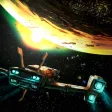
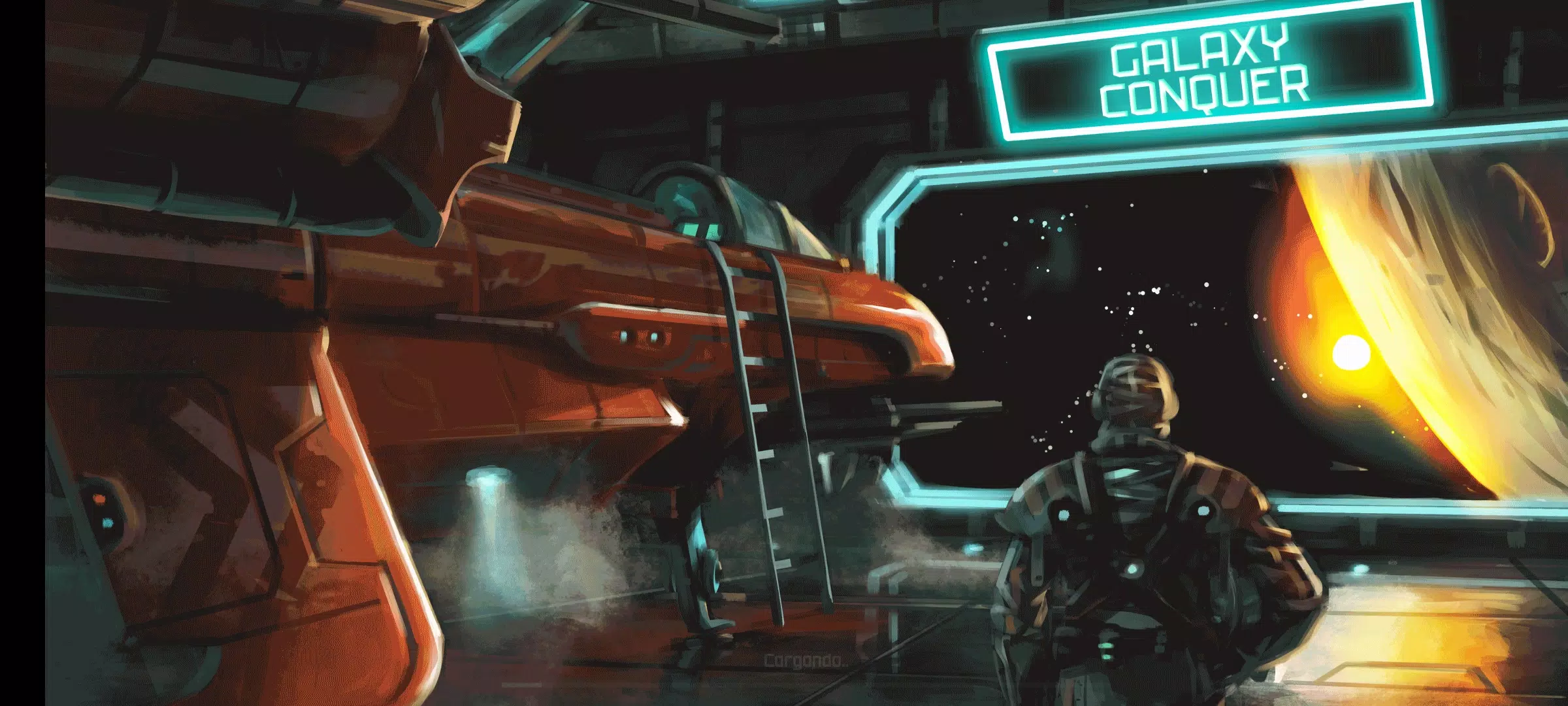
Galaxy Conquer is a space strategy game that places you in command of a fledgling world in an unexplored star system, combining base building, fleet design and tactical combat into a single, coherent experience. As the planet's leader you balance infrastructure, research and defense while charting new territory; the description below explains how the core systems work, what to expect from progression, and how the interface and controls support both short play sessions and longer campaigns.
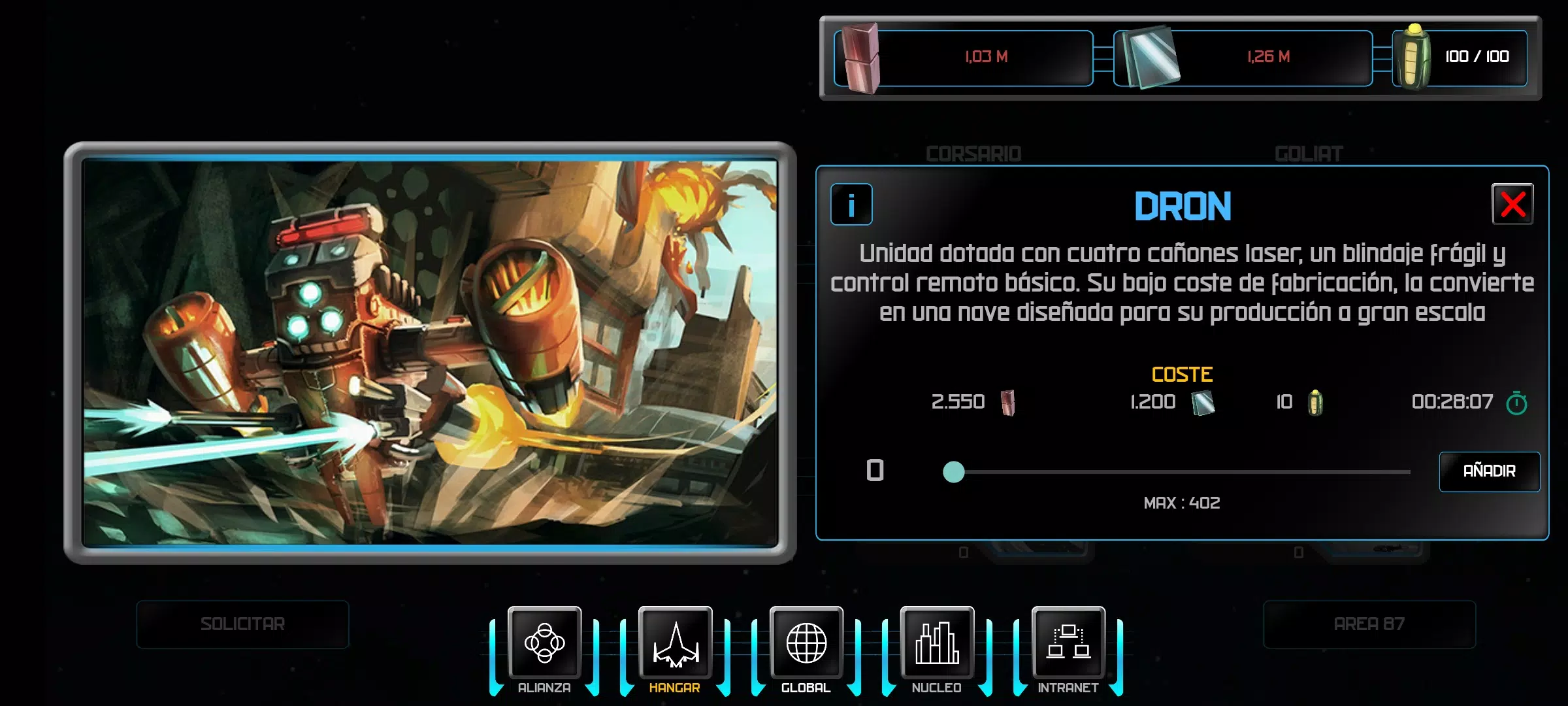
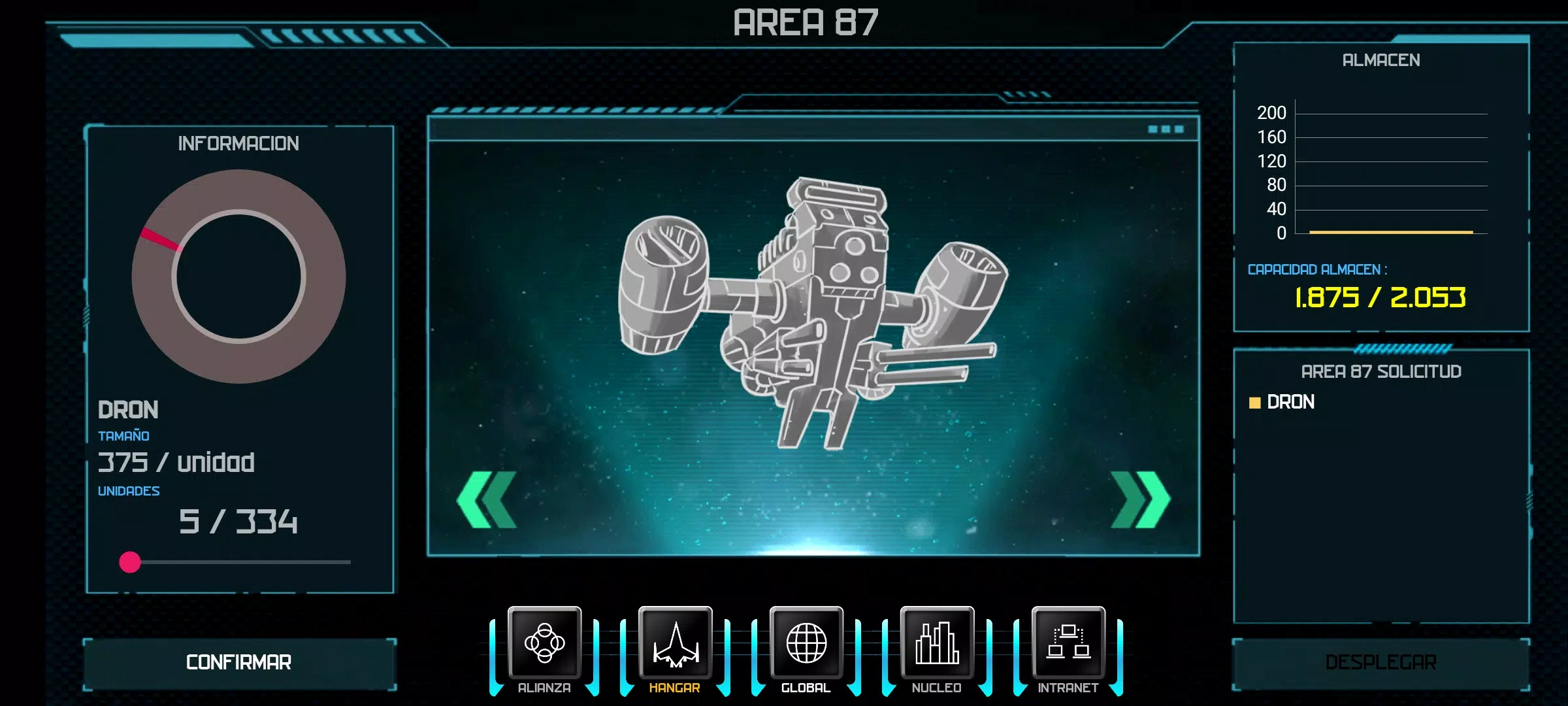
Gameplay in Galaxy Conquer revolves around three interlocking systems: planet management, ship and fleet customization, and real-time tactical engagements. Planet management asks you to allocate resources, place buildings and prioritize research trees that unlock new modules, defenses and economic upgrades. Ship design uses modular components so you can tune hulls, weapons, engines and support systems to specific roles such as interceptors, long-range artillery or electronic warfare platforms. Tactical engagements take place in real time with pausable options for players who prefer a more deliberate pace; positioning, fleet composition and the choice of ship subsystems determine battlefield outcomes more than raw numbers alone.
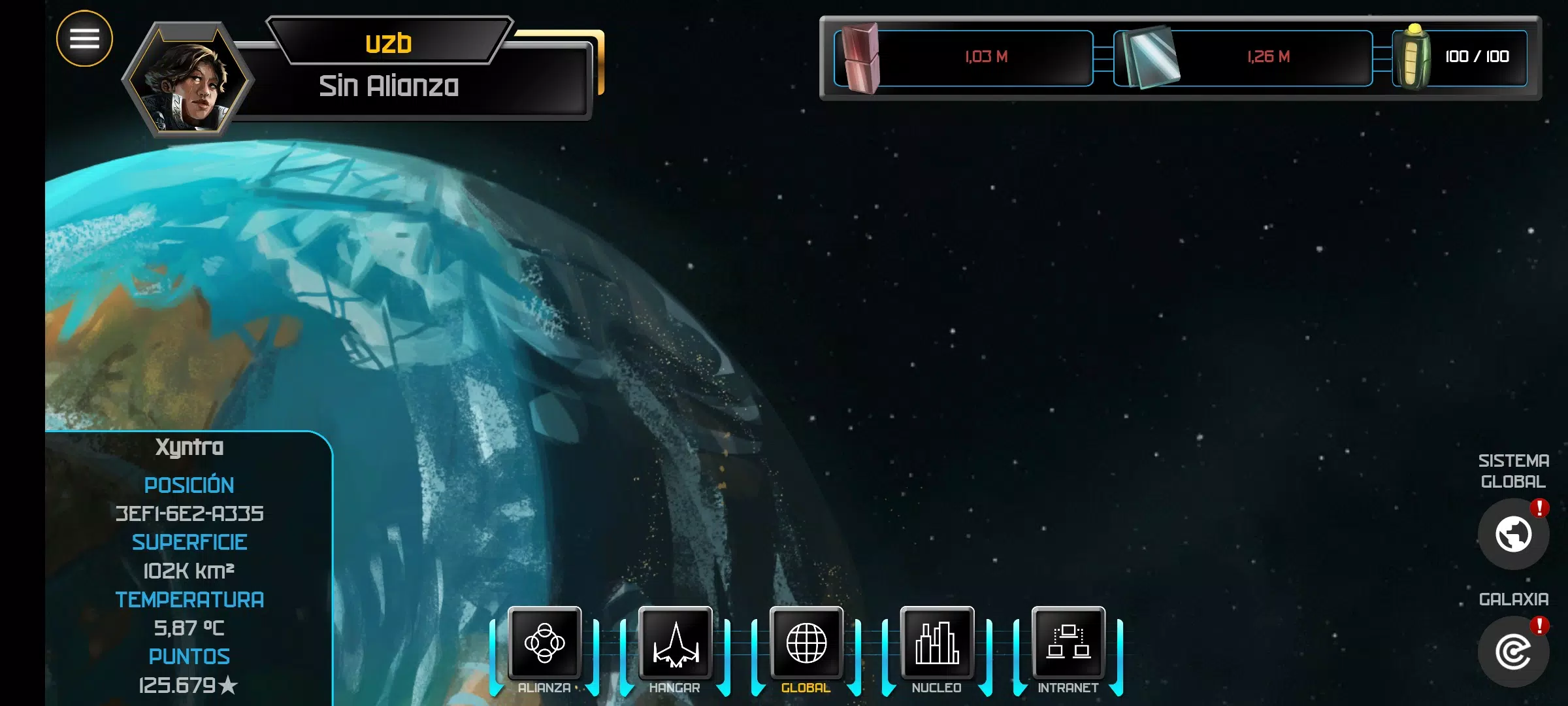
The interface is organized to be approachable on touch devices: tap-and-drag gestures place structures and set waypoints, pinch-to-zoom analyzes battlefields, and contextual menus provide access to research and ship modules without deep menu diving. For players using controllers or keyboards, Galaxy Conquer supports simplified shortcuts for common actions like issuing fleet orders or switching camera angles. Tutorials introduce the control set progressively, so new players can learn basic building and combat before tackling more advanced mechanics.
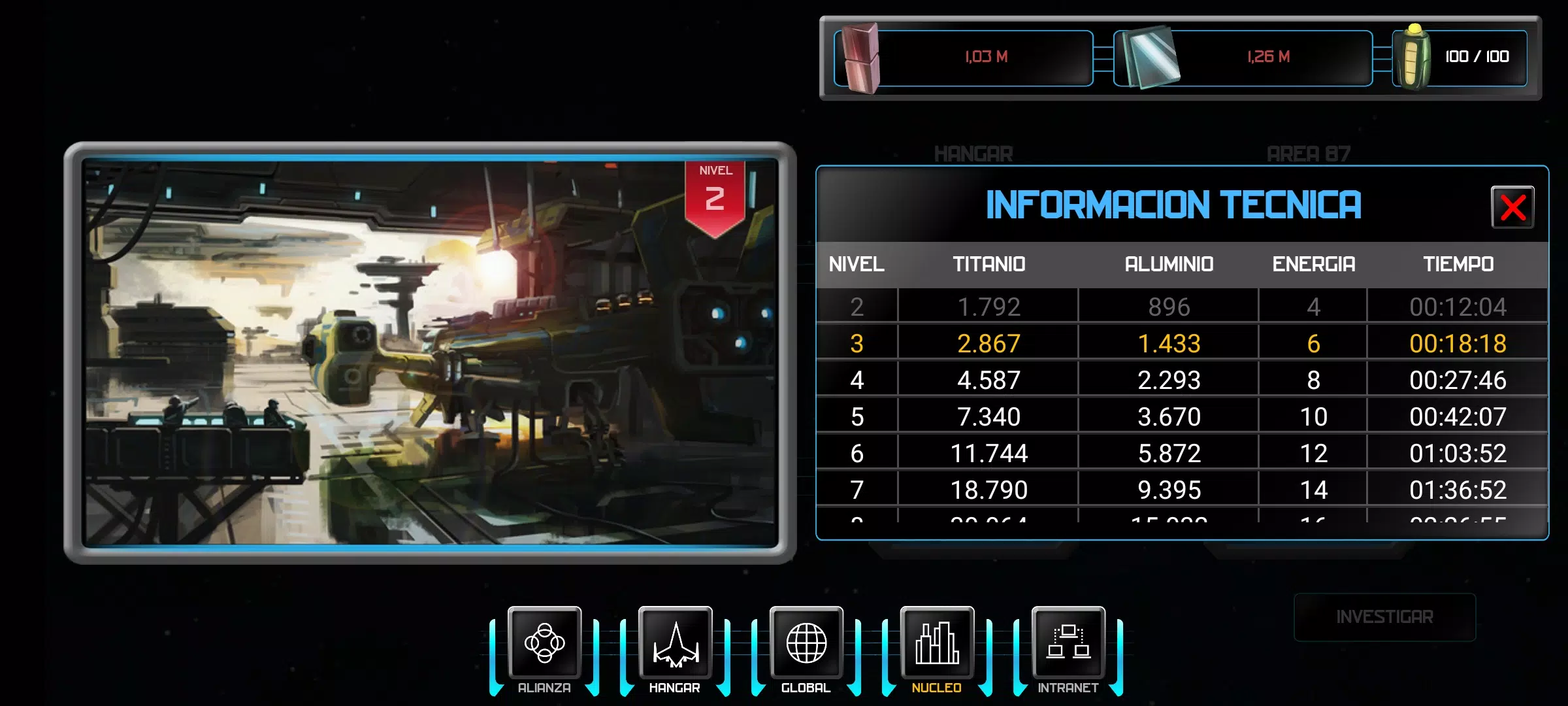
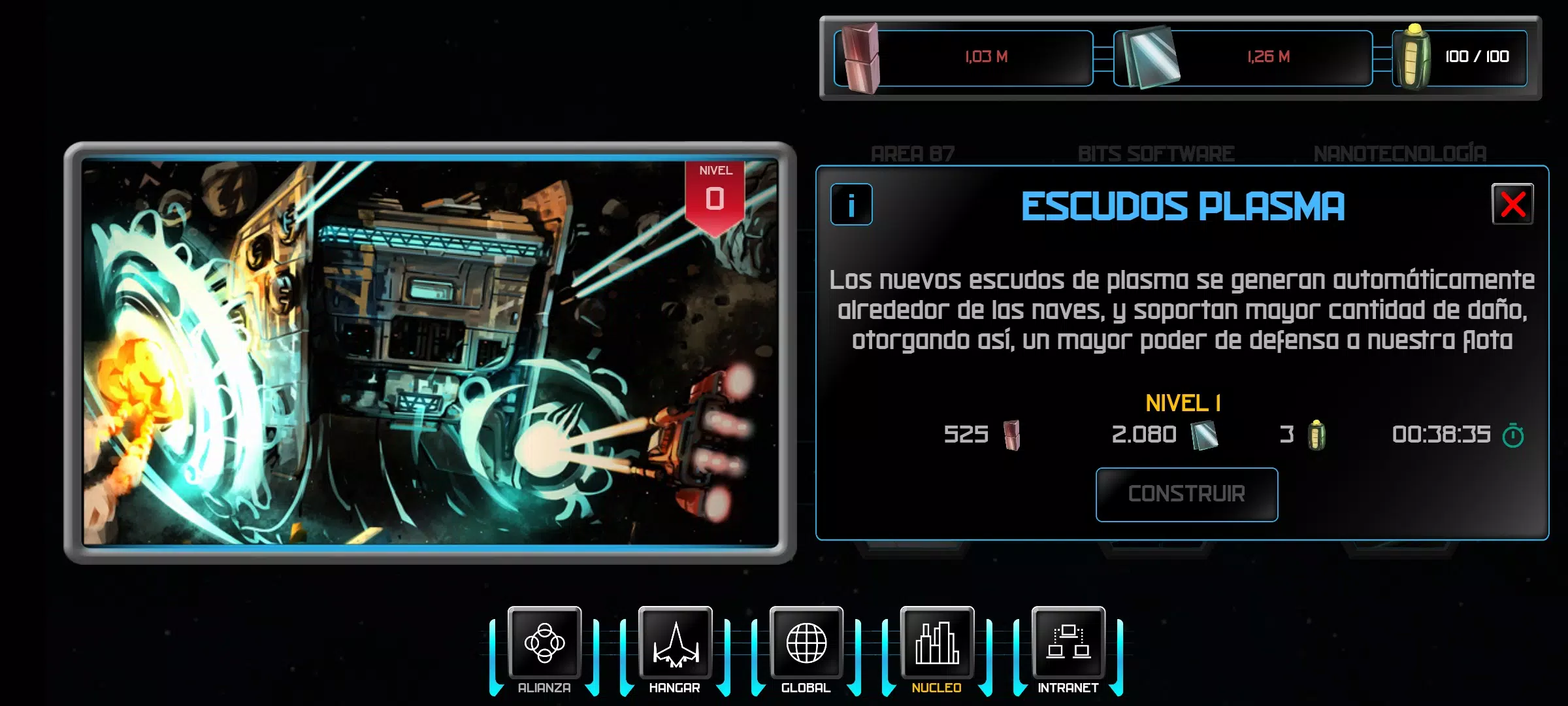
Progression is paced through technology tiers and planetary development milestones rather than arbitrary timers. Advancing a world unlocks new building types, higher-tier research nodes and access to more complex ship components. Individual scenarios and mission chains present objectives that teach mechanics while rewarding useful resources and blueprints that persist between sessions. There is a clear learning curve: early missions are focused on economy and defense, while later stages emphasize combined-arms tactics and multi-front planning.
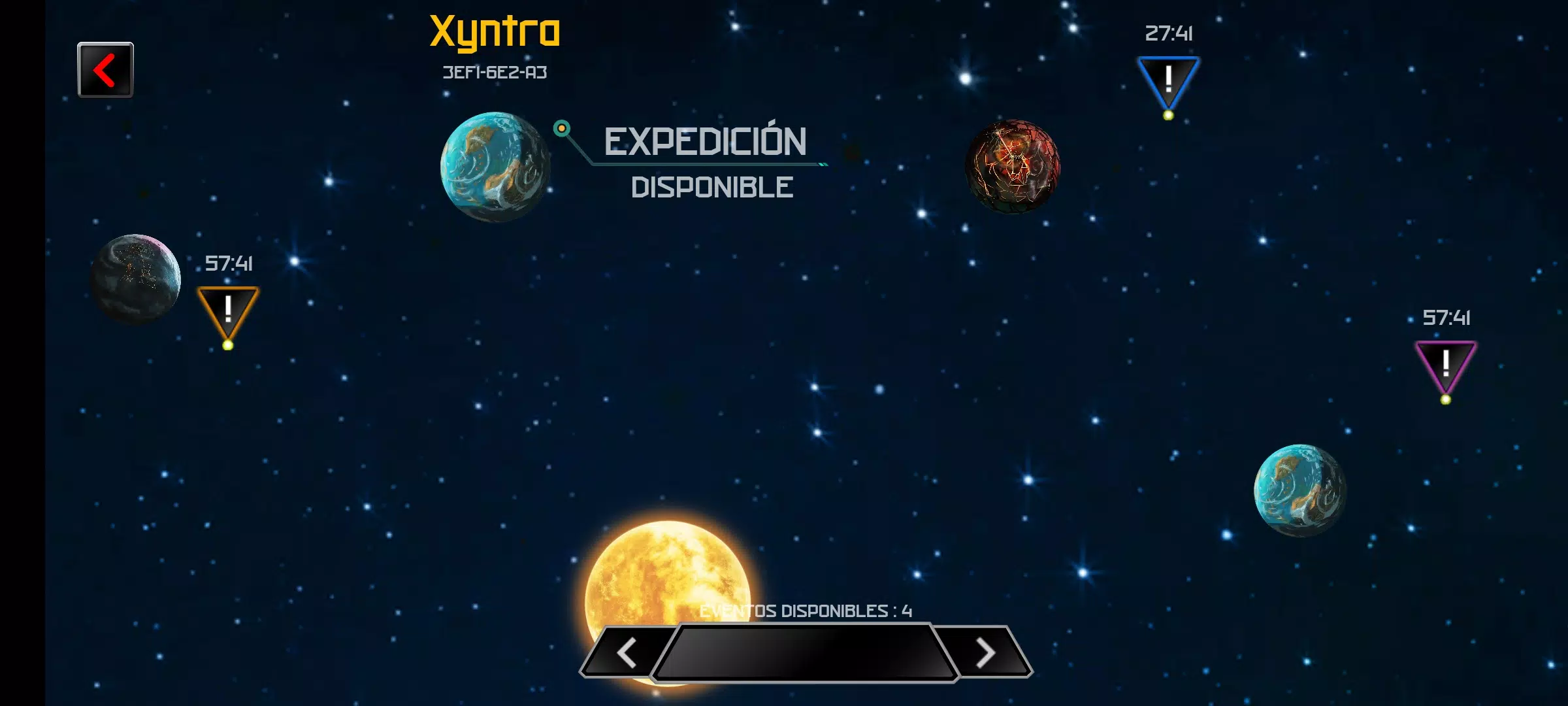
Customization is a core strength of Galaxy Conquer. Ship customization is component-based, allowing experimentation with engine, weapon and utility combinations to suit different strategies. Planetary layouts can vary between playthroughs, and random exploration events introduce new resource types and rare modules. These systems combine to produce high replay value: different research paths and ship designs create distinct tactical options and invite multiple playstyles, from careful economic expansion to aggressive, fleet-centric strategies.
The visual presentation leans on clear, readable UI elements and a stylized space aesthetic that emphasizes contrast and readability over photorealism. Planetary bases use distinctive icons and building shapes to communicate function at a glance, while ship designs reflect component choices so you can visually identify roles during combat. Audio cues are used to highlight critical events such as incoming attacks or completed research, and configurable sound settings let players tailor the experience to their environment.
Challenge modes range from relaxed sandbox sessions to tougher scenarios with increased enemy activity and limited resources. An adjustable difficulty slider modifies enemy behavior and resource abundance, while a pause-and-plan option supports players who prefer slower decision making. Accessibility settings include scalable text, color contrast adjustments and simplified controls for players who need them. These options are intended to make the core strategy systems approachable without removing meaningful tactical choices.
Galaxy Conquer is designed to be playable without a constant network connection: single-player campaigns, building mechanics and ship design work fully offline, with progress saved locally. Real-time events occur within the local simulation rather than relying on external servers, so players can manage their empire at home or on the go. The user experience focuses on clarity: tooltips explain resource flows and component interactions, and incremental tutorials guide players through more complex mechanics as they arrive.
Galaxy Conquer suits players who enjoy planning, experimentation and layered decision making. The game supports both shorter sessions through clear mission objectives and longer playthroughs for players who want deep strategic engagement. With a balance of customization, visual clarity and adjustable challenge, Galaxy Conquer offers a steady progression curve and many avenues for replay without relying on online features or multiplayer systems.
Incoming! Goblins Attack TD
Size:153.22M StrategyMafia Mobile
Size:1393.00M Strategy9 Kings
Size:213.85M StrategyEvil Defenders
Size:25.06M StrategyElemental Merge Game
Size:161.45M StrategyGreat Conqueror
Size:139.53M StrategyTeamfight Tactics PBE
Size:52.70M StrategyNightfall
Size:190.40M StrategyBack Wars
Size:46.50M StrategyLOST in Blue 2: Fate's Island
Size:66.91M StrategyShogun's Empire: Hex Commander
Size:130.00M StrategyArk of War: Aim for the cosmos
Size:96.17M StrategyApril 2024 Clash of Clans Update: Unveiling a Fresh Companion, Enhanced Levels, Chat Tagging, and Be
2024-04-16Arrival of Genshin Impact 4.6 Update: 'Embers of Two Realms, Twilight of Crimson'
2024-04-16V2.2 of the Farlight 84 update introduces an overhauled Season structure, fresh in-game currency, an
2024-04-16Monster Never Cry is now accessible on both Android and iOS mobile devices.
2024-04-18PUBG Mobile Teams Up with Bentley Motors: Luxury Cars, Exclusive Collectibles, and Beyond
2024-04-18March 2024 Free Redemption Codes for Honkai: Star Rail
2024-04-18