English
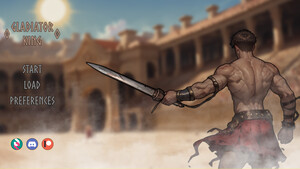
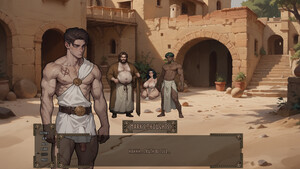
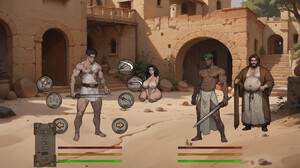
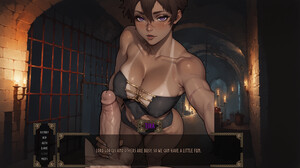
Gladiator King is a narrative-driven arena game that places you in the sandals of a captured warrior determined to reclaim what was taken. From the opening scenes you are introduced to a personal story of loss and vengeance that drives the combat loop, and Gladiator King combines branching narrative choices with tactical arena fights so each playthrough can feel different. The description below explains core systems, how combat and progression work, visual ambitions, and what players can expect from this draft-stage release.
The core of Gladiator King is a sequence of arena encounters framed by story-driven decisions. Matches are short, focused encounters that emphasize timing, defensive positioning, and choosing when to be aggressive. Between fights the game returns to narrative moments where choices influence your standing in the arena, the relationships you form, and the long-term direction of the hero. These decisions are meaningful and can steer the campaign toward quieter survival, legendary championship, or a darker pursuit of power against the emperor. Encounter variety is created through different enemy archetypes, environmental hazards, and mission conditions that force you to adapt tactics rather than repeat the same routine.
Combat is designed to be accessible on touch devices while still rewarding tactical play. Controls use taps and swipes for primary attacks, holds and timed taps for heavier strikes or parries, and contextual gestures to execute finishing moves. Defensive options include blocking and dodging windows that require rhythm more than perfect precision, and the combat system rewards reading enemy patterns. Abilities and special moves are gated by cooldowns or resource meters that give you choices about when to expend your strongest options. The control scheme includes adjustable sensitivity and optional on-screen prompts so players can tailor responsiveness to their device and playstyle.
Progression in Gladiator King blends incremental character growth with branching campaign outcomes. You earn experience and resources by winning fights and making story choices that open or close future paths. Character progression unlocks new skills, passive upgrades, and equipment that alter combat rhythm. Customization focuses on functional choices—weapon exchanges, armor pieces that change defensive stats, and skill trees that emphasize offense, defense, or crowd control. Campaigns are structured as linked sequences of arenas and narrative beats; your decisions determine which arenas you face and which allies or rivals influence the plot. This system encourages players to replay campaigns to explore alternate outcomes and build different combat archetypes.
The game aims for an atmospheric, historically inspired aesthetic that emphasizes grit over spectacle. Arenas range from cramped training pits to grand colosseums, each designed to change the feel of a fight through layout, obstacles, and sightlines. Lighting and sound work together to reinforce tension and immersion; close-quarter arenas feel claustrophobic while larger venues introduce environmental hazards and strategic platforms. Level structure alternates between self-contained arena bouts and connective narrative stages that use dialogue and scenes to expand on character motivations and world context.
Replayability comes from branching choices, multiple combat builds, and dynamic encounter modifiers which can make subsequent runs feel fresh. A draft-stage difficulty curve can be demanding in places: more skilled play rewards timing and reading opponents rather than button-mashing. Optional challenge modes and harder enemy variants are provided for players who seek deeper tests of skill, while the core campaign remains approachable by adjusting difficulty and control settings to suit casual or experienced players.
The user experience emphasizes clarity and pacing. Menus and prompts are kept straightforward so players can move quickly from narrative decisions to arena combat. Accessibility options include adjustable input sensitivity, control hints, and color-contrast settings to improve readability. Gladiator King is primarily a single-player, offline experience that does not require a persistent online connection to play the main campaign, making it suitable for play in varying network conditions. Save systems and checkpointing are designed to respect player time and reduce repetition during trial-and-error encounters.
New Version 0.17 (Draft) highlights the current storyline and the gladiator origin of the protagonist while noting that some systems and balance elements remain in development. Players should expect the game to evolve: feedback from campaigns will guide tuning and future features. Gladiator King offers a focused mix of story and arena combat for players who enjoy consequential choices, strategic fights, and character-driven progression.

Cum in Out
Size:99.19M Casual2jbet Game
Size:12.94M CasualAlabell
Size:2016.37M CasualTrick or Ahri
Size:93.31M CasualRed snow
Size:216.55M CasualSumod.beta
Size:5.08M CasualTwo Weeks On
Size:123.18M CasualTightfault Revamp Edit
Size:1.14M CasualXSerum
Size:950.87M CasualDouble Homework - Remaster
Size:1310.88M CasualDevious Work : Demo
Size:92.25M CasualKnödel TD
Size:74.40M CasualApril 2024 Clash of Clans Update: Unveiling a Fresh Companion, Enhanced Levels, Chat Tagging, and Be
2024-04-16Arrival of Genshin Impact 4.6 Update: 'Embers of Two Realms, Twilight of Crimson'
2024-04-16V2.2 of the Farlight 84 update introduces an overhauled Season structure, fresh in-game currency, an
2024-04-16Monster Never Cry is now accessible on both Android and iOS mobile devices.
2024-04-18PUBG Mobile Teams Up with Bentley Motors: Luxury Cars, Exclusive Collectibles, and Beyond
2024-04-18March 2024 Free Redemption Codes for Honkai: Star Rail
2024-04-18