English
The Trainer’s Ascent is a narrative-driven role-playing game that drops players into the opulent city of Eldmere where beauty equals power, obedience functions as currency, and secrets trade for more than gold. In The Trainer’s Ascent you assume the role of a young man raised in an orphanage who enters the exclusive world of Trainers, negotiating authority, vulnerability, and subtle influence through dialogue, reputation, and consequence-driven choices.
Gameplay centers on choice-driven social mechanics rather than combat-heavy action. Encounters present branching dialogue and decision nodes that affect obedience, reputation, and the cache of secrets you accumulate. Those three systems act like soft stats: obedience measures your capacity to follow commands or enforce order, reputation governs how nobles and servants react to your presence, and secrets function as a currency for leverage and social advancement. Decisions are rarely clearly right or wrong; they reshape relationships and unlock new options in later chapters.
Controls are designed for touch devices with a clean, readable UI that puts dialogue choices and character information within easy reach. Tap-based selection handles conversations, and context-sensitive overlays display the likely social effect of a choice before you commit. Menus for progression, inventory of favors or secrets, and relationship summaries are accessible from a single on-screen bar. The interface emphasizes clarity so you can focus on narrative decisions instead of fiddling with controls.
Progression in The Trainer’s Ascent moves away from traditional level grinding and toward influence-building and personal mastery. As you progress you develop techniques of persuasion, control, and self-discipline that open new dialogue branches and responses from key characters. Advancement is measured by the growth of influence, available authority options during encounters, and the depth of secrets at your disposal. The game rewards thoughtful negotiation and strategic use of reputation over brute force.
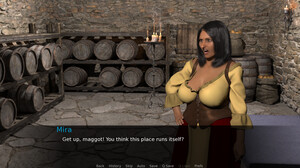
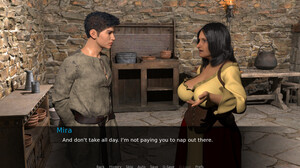
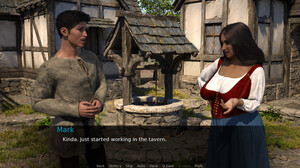
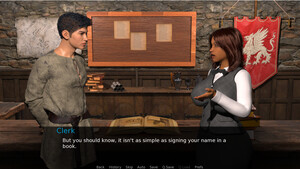
The visual approach blends moody interiors, ornate noble quarters, and shadowed alleys to support the story’s tone. Character portraits convey subtle emotions to reinforce dialogue choices, while environmental details communicate status differences across Eldmere. Lighting and costume design are used to emphasize power dynamics rather than explicit content, helping the player understand social cues and underlying tension in each scene.
The narrative is divided into chapters that move between public salons, private chambers, and backstreet networks. Each chapter contains a series of encounters that escalate the stakes, interspersed with quieter moments for planning and recovery. Pacing is deliberately measured to allow players time to consider the consequences of difficult choices; some players may prefer a slow, contemplative route while others will pursue aggressive reputation moves.
Customization focuses on how you present yourself within Eldmere’s hierarchy rather than extensive cosmetic systems. Choices about attire, titles you accept or reject, and the kinds of favors you pursue shape the way other characters perceive you and influence available options. These social customizations create meaningful differences in how dialogues unfold and which alliances form, giving players varied paths through the same story.
Replayability comes from multiple social strategies and branching endings. You can pursue influence through cooperation, coercion, or a careful balance of both. Secrets collected in one playthrough can be used differently in another, and relationships with key figures change dramatically depending on your approach, encouraging multiple runs to explore alternate alliances and moral consequences.
The Trainer’s Ascent places emphasis on readability and accessibility. Adjustable text sizes, a dyslexia-friendly font option, and clear contrast settings are available so players with different needs can follow dense narrative passages comfortably. Optional hints explain the likely social impact of certain choices for players new to reputation management systems. Autosave and manual save slots let you experiment without losing progress.
This is a single-player experience designed to be played offline once downloaded; no persistent online connection or multiplayer features are required. Challenge is delivered through moral dilemmas, negotiation mini-systems, and timed encounter options where hesitation has consequences. For players seeking more difficulty, optional challenge settings increase the social penalties for mistakes and make reputation harder to repair.
The Trainer’s Ascent deals with mature themes and power dynamics in a narrative context. Scenes of adult situations are handled in a non-explicit, story-centered way and the game emphasizes consent and consequence in its interactions. If you prefer fast-paced action, the game’s focus on social systems and character drama may feel deliberate rather than immediate, but players who enjoy slow-burn storytelling and tactical social play will find depth and nuance here.
Cum in Out
Size:99.19M Casual2jbet Game
Size:12.94M CasualAlabell
Size:2016.37M CasualTrick or Ahri
Size:93.31M CasualRed snow
Size:216.55M CasualSumod.beta
Size:5.08M CasualTwo Weeks On
Size:123.18M CasualTightfault Revamp Edit
Size:1.14M CasualXSerum
Size:950.87M CasualDouble Homework - Remaster
Size:1310.88M CasualDevious Work : Demo
Size:92.25M CasualKnödel TD
Size:74.40M CasualApril 2024 Clash of Clans Update: Unveiling a Fresh Companion, Enhanced Levels, Chat Tagging, and Be
2024-04-16Arrival of Genshin Impact 4.6 Update: 'Embers of Two Realms, Twilight of Crimson'
2024-04-16V2.2 of the Farlight 84 update introduces an overhauled Season structure, fresh in-game currency, an
2024-04-16Monster Never Cry is now accessible on both Android and iOS mobile devices.
2024-04-18PUBG Mobile Teams Up with Bentley Motors: Luxury Cars, Exclusive Collectibles, and Beyond
2024-04-18March 2024 Free Redemption Codes for Honkai: Star Rail
2024-04-18