English
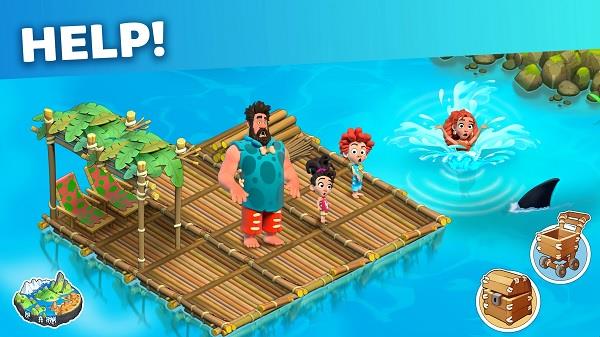
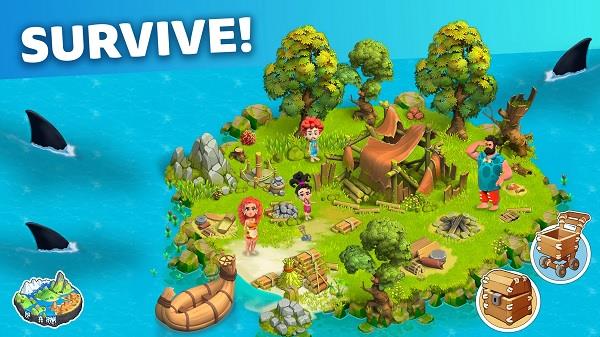
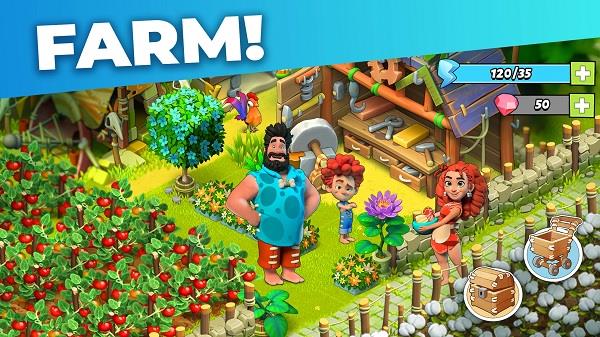
Family Island is a casual survival and farming simulation that places you in the role of a family rebuilding life after a volcanic evacuation. In the opening hours of Family Island you start with a small garden, a simple shelter and a handful of tools; the game unfolds as a single-player, character-driven experience where you manage crops and livestock, complete quests, repair and upgrade buildings, and gradually expand your territory to new islands. The description below explains core mechanics, controls, progression, visual style and other practical details to help you decide whether this game fits your play style.
The game blends traditional farm simulation with light survival and exploration elements. Planting, watering and harvesting a variety of crops produces resources you can use for food, trade and building materials. Livestock require feeding and care and contribute to your production chains through milk, wool or similar outputs. Crafting and tool upgrades are important: simple tools accelerate daily chores, while improved equipment opens more advanced tasks and reduces the time required for clearing obstacles. Quest-driven objectives and character interactions provide narrative context for tasks and encourage steady progression rather than one-note repetition.
Controls are optimized for touch devices and aim to be approachable for new players while still offering depth. Most actions are performed by tapping or dragging: select seeds and tap a plot to sow, tap plants to harvest, and use an on-screen menu to equip or upgrade tools. Building placement and decorating use intuitive drag-and-drop gestures. Energy or task timers introduce light planning choices; you decide whether to focus on short-term resource gains or invest time to unlock longer-term benefits. Tutorials and contextual hints guide you through early systems so you can learn at a comfortable pace.
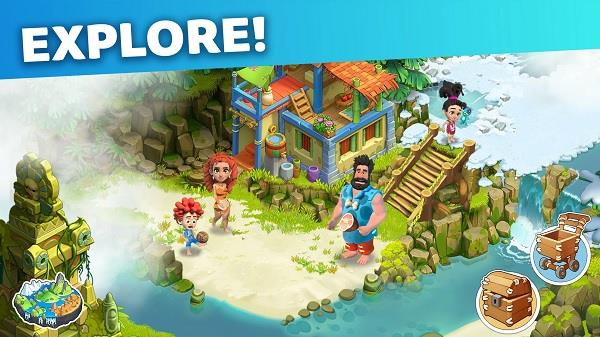
Progress in Family Island advances through a combination of research, construction and exploration. Upgrading workshops and houses unlocks new recipes and building types, while a simple research or development path lets you improve production efficiency and technology available to your settlement. Clearing fogged areas and removing rocks, trees and bushes reveals fresh plots, quests and story content. Territories are presented as separate islands or areas that open sequentially as your family secures resources and completes key objectives, creating a clear sense of advancement from a modest homestead toward a larger village.
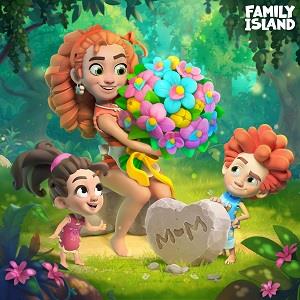
Customization focuses on your homestead and the way you arrange production and living spaces. You can prioritize decorative upgrades, expand storage, and reorganize workshops or crop layouts to improve efficiency. While the narrative follows Bruce, Eva and their children in early story beats, the way you build and decorate the settlement reflects your play choices and offers a small but meaningful layer of personalization that affects both appearance and day-to-day convenience.
The game presents a colorful 2D aesthetic with an emphasis on clear, readable visuals and friendly character illustrations. Animation is designed to be lively without overwhelming the main gameplay loop, and sounds are balanced to create a relaxed island atmosphere. The presentation supports accessibility by using distinct icons and readable text for actions and resources so that players can quickly identify objectives and inventory items even on smaller screens.
Challenge comes from balancing resource production, family needs and exploration. Early stages deliberately move at a moderate pace to emphasize story and gradual improvement, while later stages require more planning as you manage multiple production chains and larger building projects. Replay value emerges from experimenting with different layouts, tool priorities and progression choices; players who enjoy optimizing production or discovering new story beats will find reasons to revisit islands and try alternative approaches to development.
Family Island is designed as a primarily single-player experience that suits short, repeatable sessions. The interface keeps common actions within easy reach and includes helpful prompts during early gameplay so new players can learn without frustration. Audio and visual settings are adjustable to accommodate different device capabilities and player preferences. Many core farming and building activities are accessible without constant attention, which makes the game forgiving for casual play, though some features may interact with online services for updates or optional content. Performance is generally tuned to run smoothly on a wide range of Android devices.
Cum in Out
Size:99.19M Casual2jbet Game
Size:12.94M CasualAlabell
Size:2016.37M CasualTrick or Ahri
Size:93.31M CasualRed snow
Size:216.55M CasualSumod.beta
Size:5.08M CasualTwo Weeks On
Size:123.18M CasualTightfault Revamp Edit
Size:1.14M CasualXSerum
Size:950.87M CasualDouble Homework - Remaster
Size:1310.88M CasualDevious Work : Demo
Size:92.25M CasualKnödel TD
Size:74.40M CasualApril 2024 Clash of Clans Update: Unveiling a Fresh Companion, Enhanced Levels, Chat Tagging, and Be
2024-04-16Arrival of Genshin Impact 4.6 Update: 'Embers of Two Realms, Twilight of Crimson'
2024-04-16V2.2 of the Farlight 84 update introduces an overhauled Season structure, fresh in-game currency, an
2024-04-16Monster Never Cry is now accessible on both Android and iOS mobile devices.
2024-04-18PUBG Mobile Teams Up with Bentley Motors: Luxury Cars, Exclusive Collectibles, and Beyond
2024-04-18March 2024 Free Redemption Codes for Honkai: Star Rail
2024-04-18