English
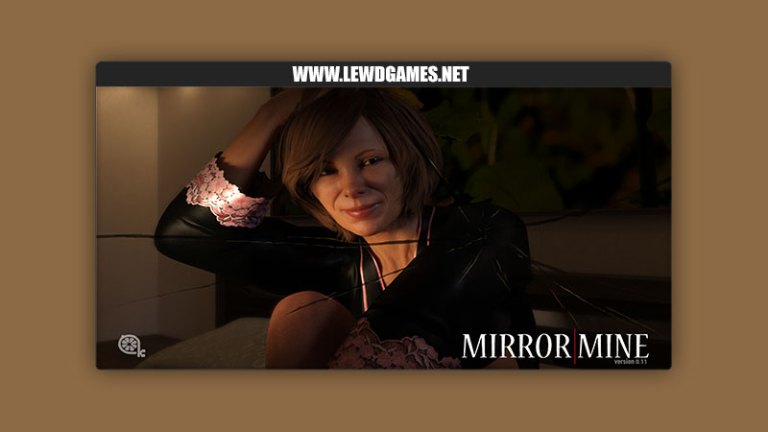
Mirror Mine is a narrative-driven choice game that places you in the uneasy shoes of a college returnee with strained family ties and empty pockets. In Mirror Mine you will make decisions that steer the protagonist toward different moral paths, shape relationships with recurring characters, and open distinct scenes and endings depending on the choices you take. The game emphasizes consequence and replayability, asking players to weigh short-term survival against long-term trust and affection as the story unfolds across days and chapters.
The core gameplay of Mirror Mine centers on branching dialogue and choice-driven scenes. Progression is determined by decision flags and tracked narrative variables rather than action-based mechanics, so every selection—big or small—can change a character's disposition, unlock alternative branches, or affect later outcomes. Occasional resource decisions tied to finances or favors add tension to certain sections, encouraging players to balance practical needs against ethical costs. There are no reflex-based challenges; the challenge comes from moral trade-offs and discovering how different combinations of choices lead to new content.
Controls are optimized for touch screens and follow a simple visual-novel style: tap to advance dialogue, select responses by tapping choice buttons, and use on-screen icons to access a backlog of recent text. An options menu allows you to adjust text speed, enable auto-advance for hands-free reading, and toggle sound and music. A visible progress indicator and scene labels help you understand where decisions are being recorded, while contextual prompts explain the immediate stakes of each choice so you can decide with clarity.
Story progression in Mirror Mine is structured around days and chapters, with each day presenting a set of scenes and decision points that influence future content. The game tracks multiple variables behind the scenes to support branching paths and multiple endings. Recent updates introduced new narrative variables to expand tracking; as a result older save files are no longer compatible. To address this, the latest release adds a new-game option that lets players begin from the latest day after a short setup sequence, reducing the need to replay early material while preserving the intended branching structure.
Mirror Mine uses a character-focused presentation with portrait art, atmospheric backgrounds, and subtle animations to convey emotion and setting. The visual approach is understated and designed to support the writing and character interactions rather than compete with them. Lighting, color palettes, and background details are used to set the tone for each scene, while UI elements are kept minimal so dialogue and choices remain the central focus of each moment.
The narrative is arranged into discrete scenes that can branch widely depending on earlier decisions. Multiple distinct endings reflect broad paths such as reconciliation and love or a darker slide toward corruption; intermediate scenes vary too, with some content gated behind specific relationship or resource conditions. This structure makes replaying the game rewarding: subsequent runs reveal new conversations, different scene sequences, and endings you may not reach on a first playthrough. An in-game option to restart from a later day helps you explore alternate branches without repeating the entire opening.
While Mirror Mine focuses on story over avatar customization, players can personalize their reading experience through adjustable text size, contrast options, and a simple UI theme selector to improve readability. Accessibility considerations include a text backlog, adjustable speeds, and clear choice labeling. The game can be played offline once installed, so you can continue exploring story paths without a persistent internet connection; saves are stored locally, subject to the compatibility note in the latest update.
The experience is deliberately introspective: tension arises from moral dilemmas, strained relationships, and the pressure of limited options rather than timed skill tests. Players who appreciate character-driven storytelling and the intellectual challenge of predicting consequences will find Mirror Mine engaging. Expect to invest time in multiple full playthroughs if you want to uncover every scene and ending, and consult the settings for options that streamline replay without sacrificing narrative impact.
The most recent Mirror Mine update expands internal tracking to support more nuanced branching, which unfortunately invalidated older save files. The developer acknowledges the inconvenience and has implemented the ability to start new games from the latest day to ease progression. This change enables a broader range of future content while keeping decision impact transparent on subsequent playthroughs.


Cum in Out
Size:99.19M Casual2jbet Game
Size:12.94M CasualAlabell
Size:2016.37M CasualTrick or Ahri
Size:93.31M CasualRed snow
Size:216.55M CasualSumod.beta
Size:5.08M CasualTwo Weeks On
Size:123.18M CasualTightfault Revamp Edit
Size:1.14M CasualXSerum
Size:950.87M CasualDouble Homework - Remaster
Size:1310.88M CasualDevious Work : Demo
Size:92.25M CasualKnödel TD
Size:74.40M CasualApril 2024 Clash of Clans Update: Unveiling a Fresh Companion, Enhanced Levels, Chat Tagging, and Be
2024-04-16Arrival of Genshin Impact 4.6 Update: 'Embers of Two Realms, Twilight of Crimson'
2024-04-16V2.2 of the Farlight 84 update introduces an overhauled Season structure, fresh in-game currency, an
2024-04-16Monster Never Cry is now accessible on both Android and iOS mobile devices.
2024-04-18PUBG Mobile Teams Up with Bentley Motors: Luxury Cars, Exclusive Collectibles, and Beyond
2024-04-18March 2024 Free Redemption Codes for Honkai: Star Rail
2024-04-18