English
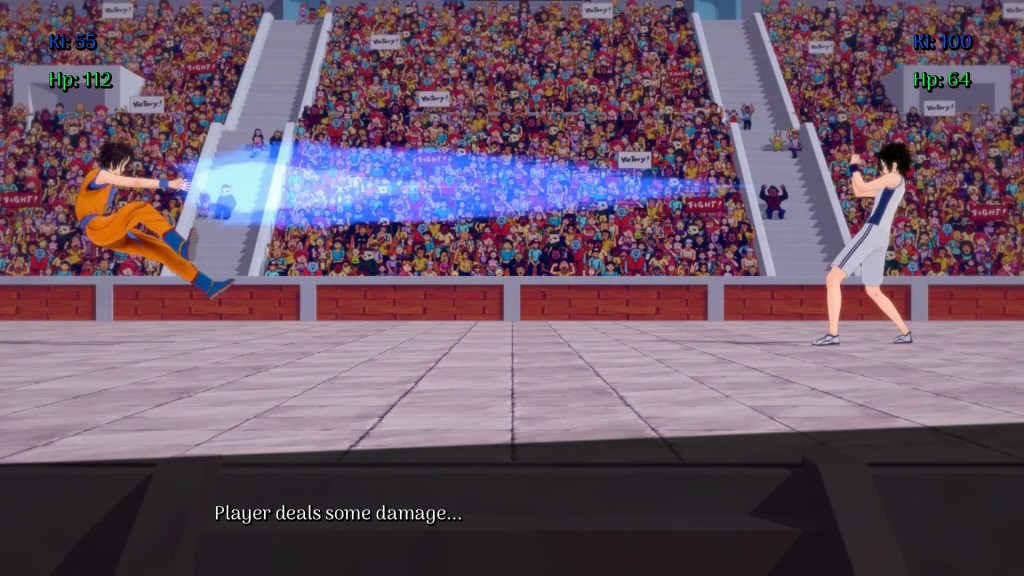
Z Fighter Trainer is an adult-themed single-player simulation that places the player in a Dragon Ball–inspired arena for private training and scenario creation. Z Fighter Trainer uses an illusion-based character system to let users assemble scenes from prebuilt illusion cards and customizable characters, focusing on visual presentation and solo experimentation rather than competitive or online play.
The app centers on two complementary modes: a training mode that simulates controlled encounters and a scenario mode that lets you stage preset or custom scenes. Prebuilt illusion cards such as the included Evaan and Sugu sets act as ready-made templates to speed scene setup, while the illusion engine controls poses, camera framing, and visual effects. The emphasis is privacy and single-player exploration, with all content stored locally so scenes and customization remain on the device.
Gameplay is driven by simple touch controls and a layered editor interface. Players adjust character parameters with sliders, drag-and-drop props and cards into a scene, and use tap-and-drag gestures to position characters and cameras. Contextual menus provide quick access to pose presets and illusion card settings, and an undo history helps you refine each scene. The pacing is user-directed: there are no timed matches, only editable scenarios and progression through practice goals.
Z Fighter Trainer offers a progression loop designed for single-player engagement: completing training exercises and scenario objectives grants access to additional illusion cards, visual effects, and cosmetic options. Progress is measured by milestones that reward more complex cards and expanded scene-building tools. This unlock structure encourages experimentation over competition, giving players a steady sense of advancement as new customization pieces and presets become available.
The visual presentation leans on an anime-inspired, high-energy aesthetic with cel-shaded and stylized effects rather than photorealism. Character customization covers appearance presets, outfit variations, color palettes, and a set of animation poses tied to each illusion card. Lighting and camera controls let players stage scenes with different moods, and a gallery system stores saved scenes and snapshots for offline review. All customization is designed to be local and private, letting users tailor visuals without network dependencies.
Levels are represented by themed arenas and backdrop templates rather than linear stages. Each arena provides environmental settings, such as training rooms, open fields, or arena platforms, which change camera dynamics and available props. Scenario templates combine an arena, a selection of illusion cards, and preset camera paths to create focused encounters that can be replayed and edited. This modular structure allows players to mix arenas and cards to produce varied outcomes.
Replayability comes from the combinatorial nature of illusion cards, customization options, and arena templates: swapping cards, changing poses, or altering lighting can produce markedly different scenes. The app supports save/load for scenes, a local gallery for snapshots, and basic scene metadata to help organize creations. The user interface aims to be uncluttered and accessible, prioritizing direct manipulation of scene elements and quick access to commonly used tools.
Z Fighter Trainer includes adjustable UI scaling and control sensitivity to accommodate different screen sizes and user preferences. Colorblind-friendly palettes and readable font sizes are available to improve visibility, and touch input alternatives are supported for devices with stylus or keyboard attachments. The app is optimized for offline use: once installed, all core features, cards, and custom assets function without an active internet connection.
Rather than multiplayer or ranking systems, the app provides challenge presets that modify scenario parameters—such as limited pose sets, timed camera captures, or restricted props—to encourage experimentation under constraints. These single-player challenges are optional and designed to help users improve composition and familiarity with the editor tools. For players who prefer freeform creation, sandbox mode removes constraints entirely so scenes can be composed without objectives.
Cum in Out
Size:99.19M Casual2jbet Game
Size:12.94M CasualAlabell
Size:2016.37M CasualTrick or Ahri
Size:93.31M CasualRed snow
Size:216.55M CasualSumod.beta
Size:5.08M CasualTwo Weeks On
Size:123.18M CasualTightfault Revamp Edit
Size:1.14M CasualXSerum
Size:950.87M CasualDouble Homework - Remaster
Size:1310.88M CasualDevious Work : Demo
Size:92.25M CasualKnödel TD
Size:74.40M CasualApril 2024 Clash of Clans Update: Unveiling a Fresh Companion, Enhanced Levels, Chat Tagging, and Be
2024-04-16Arrival of Genshin Impact 4.6 Update: 'Embers of Two Realms, Twilight of Crimson'
2024-04-16V2.2 of the Farlight 84 update introduces an overhauled Season structure, fresh in-game currency, an
2024-04-16Monster Never Cry is now accessible on both Android and iOS mobile devices.
2024-04-18PUBG Mobile Teams Up with Bentley Motors: Luxury Cars, Exclusive Collectibles, and Beyond
2024-04-18March 2024 Free Redemption Codes for Honkai: Star Rail
2024-04-18