English
The Asmodeus Eyes drops players into a carefully written, choice-driven visual novel where the player takes the perspective of a downtrodden man who encounters a mysterious VR-like system that presents itself as a living RPG status screen. The Asmodeus Eyes emphasizes reading-first gameplay, slow pacing, and branching narrative routes that reward curiosity; choices affect relationships, available skills and inventory-like items, and can lead to multiple endings. Fans of psychological mood pieces and route exploration will recognize the deliberate tone: tension, moral ambiguity, and repeated loop mechanics replace twitch-based action with deliberation and consequence.
The Asmodeus Eyes blends traditional visual novel presentation with integrated system elements that are part of the story world rather than separate menus. You’ll see status screens, skill trees and item descriptions appear as narrative devices that influence available choices. The game’s loop/reset mechanic turns failed runs into meaningful progress by preserving certain discoveries and pieces of knowledge across timelines, which opens new branches and rewards systematic exploration. Chapter 1 includes eight or more distinct scenes or endings depending on the choices you make and how you use the loop to test different approaches.
Gameplay is focused on reading, decision points, and strategic use of the in-universe systems. Controls are simple and designed for mobile: tap to advance text, choose from on-screen options, and interact with status elements when menus appear as story beats. Skills and items are collected through narrative events and dialog choices rather than grinding, and selecting or combining them can unlock new dialog paths. The Trial of Asmodeus, introduced in version 0.05, serves both as an in-story trial and a guided hands-on tutorial to teach how status screens and mechanics affect outcomes.
Progression in the game is non-linear: rather than leveling through combat, you progress by uncovering information, unlocking routes, and gaining persistent knowledge that shapes later runs. The reset mechanic is central to progression—reaching a bad ending often reveals clues or grants the player contextual understanding that helps in subsequent attempts. This design encourages multiple playthroughs to map the narrative tree, find hidden scenes, and experience alternate consequences. Route-driven rewards and branching consequences make experimentation a satisfying part of progression.
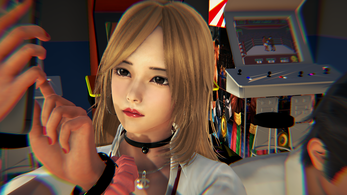
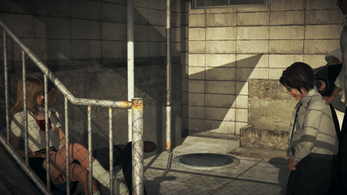
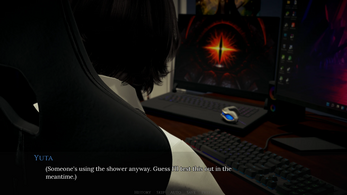
The visual presentation leans on moody, atmospheric backgrounds, character portraits, and stylized interface elements that echo classic RPG status screens. The UI is intentionally integrated into the scene to reinforce the feeling that menus are part of the game world. Audio supports immersion with ambient soundscapes and restrained musical cues that shift to underscore tension or calm. Visual and audio choices aim to enhance mood and readability rather than distract from the writing.
Pacing is slow and literary by design: the experience favors long passages of text, careful choice-making, and emotional complexity over quick-time events. Challenge comes from interpreting clues, deciding when to reset and what to test next, and balancing short-term survival against long-term discovery. The game is best enjoyed by players who appreciate deliberate narrative design and strategic route-planning. Save points, readable status logs, and explicit indicators of preserved knowledge help players keep track of progress across loops.
Settings include adjustable text sizes and toggles for auto-advance to accommodate different reading preferences. The Asmodeus Eyes offers multilingual support, with translations in English, Thai, Japanese, Vietnamese, Bahasa Indonesia, Chinese, Russian and Spanish; some translations are AI-assisted and may vary in nuance. The game is primarily playable offline after initial download, so you can read and make choices without a constant network connection. Accessibility options aim to reduce friction for readers and make route exploration manageable on smaller screens.
This title contains mature and often disturbing themes, including emotional cruelty and unavoidable situations intended for adult audiences; the description avoids explicit detail and focuses on narrative context. Version 0.05 added the Trial of Asmodeus as a core tutorial and story event, and ongoing updates for Chapter 1 are referenced in 0.06 patch notes. Players should expect continued refinement of translations, UI polish, and additional routes as development proceeds. If you value slow-burning stories with integrated systems and high replay potential, The Asmodeus Eyes offers a structured, literary experience designed for repeated discovery.


Cum in Out
Size:99.19M Casual2jbet Game
Size:12.94M CasualAlabell
Size:2016.37M CasualTrick or Ahri
Size:93.31M CasualRed snow
Size:216.55M CasualSumod.beta
Size:5.08M CasualTwo Weeks On
Size:123.18M CasualTightfault Revamp Edit
Size:1.14M CasualXSerum
Size:950.87M CasualDouble Homework - Remaster
Size:1310.88M CasualDevious Work : Demo
Size:92.25M CasualKnödel TD
Size:74.40M CasualApril 2024 Clash of Clans Update: Unveiling a Fresh Companion, Enhanced Levels, Chat Tagging, and Be
2024-04-16Arrival of Genshin Impact 4.6 Update: 'Embers of Two Realms, Twilight of Crimson'
2024-04-16V2.2 of the Farlight 84 update introduces an overhauled Season structure, fresh in-game currency, an
2024-04-16Monster Never Cry is now accessible on both Android and iOS mobile devices.
2024-04-18PUBG Mobile Teams Up with Bentley Motors: Luxury Cars, Exclusive Collectibles, and Beyond
2024-04-18March 2024 Free Redemption Codes for Honkai: Star Rail
2024-04-18