English
Life in Wonderland is a single-player visual novel intended for mature audiences that places the player in a story-driven environment where choices shape relationships and narrative outcomes. The game presents an ensemble cast of characters inspired by anime-style design, and the initial release covers chapters one through six, providing a compact but replayable story arc. Life in Wonderland focuses on character interaction, branching scenes, and a clear chapter structure that keeps the narrative moving while letting players explore different paths through repeated playthroughs.
The premise centers on the player character arriving in a remote setting populated by a cast of characters who form the core social web of the story. Dialogue-driven scenes and decision points determine how relationships develop over time, with multiple narrative threads available depending on player choices. The title is built to emphasize interpersonal dynamics rather than complex mechanical systems, so sessions are easy to start and return to while still offering varied outcomes and alternate endings.
Gameplay relies on a branching choice system: decisions influence relationship values and unlock different scenes as the story advances through chapters 1–6. Progression is chapter-based, with each chapter designed to present new character beats, revelations, and opportunities to steer relationships in distinct directions. Relationship meters and narrative flags track player decisions, which in turn affect chapter events and ending conditions. This structure encourages multiple playthroughs to experience alternate storylines and to discover character-specific branches and chapter-specific conclusions.
The interface is tailored for straightforward visual novel navigation: tap or click to advance text, use choice buttons to make decisions, and access an auto mode to let scenes play at a comfortable pace. A backlog feature allows players to review recent dialogue, and a quick-save/load system supports experimenting with different choices without losing long-term progress. Text speed, font size, and display settings are adjustable so readers can customize their experience for comfort and clarity.
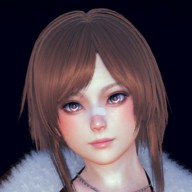
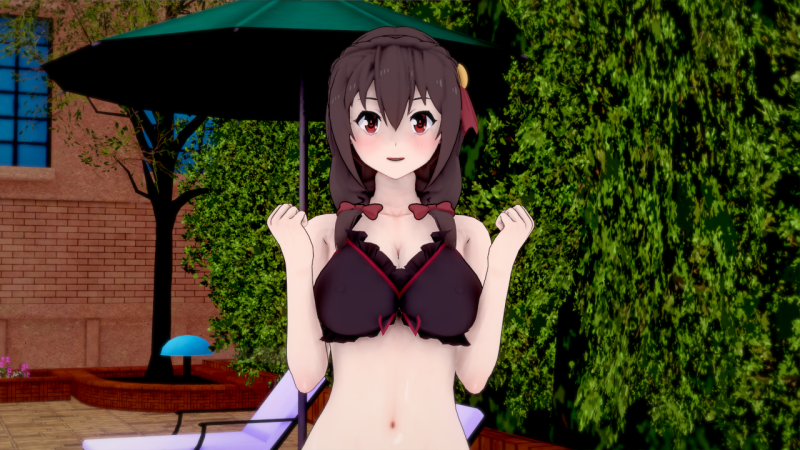
Life in Wonderland features character portraits, background artwork, and occasional full-scene illustrations that follow an anime-influenced aesthetic. Art assets are designed to emphasize character expression and atmosphere, with attention to lighting and composition in chapter scenes. The game pairs its visuals with ambient music and scene-appropriate sound cues to support immersion; soundtrack and volume controls are included in the settings so players can tailor audio to their preference.
While the narrative is central, the game offers modest personalization options such as choosing the player character name and adjusting text appearance. Accessibility features include adjustable text size, contrast-friendly display settings, and an auto-advance option for readers who prefer a hands-off pacing. Content warnings and toggleable mature content indicators are available before key scenes to help players make informed choices about what they wish to view. These options help make the story approachable to a wider range of players while clearly marking material intended for adults.
Replay value is driven by branching routes, multiple endings, and character-specific scenes that unlock only when particular choices or relationship thresholds are met. The chapter layout encourages focused sessions with distinct goals, such as unlocking a new route or reaching a new narrative milestone. There are no complex combat or timed challenge systems; the primary challenge lies in decision-making and exploring different combinations of choices to see how the story changes.
The release labeled Ch. 1-6 indicates that chapters one through six are included in the current build, and the game is designed to be playable offline once installed. Save files are stored locally, and players can manage multiple save slots to maintain separate playthroughs. Performance objectives prioritize stable text rendering and smooth transitions between scenes on a range of Android devices.
Developed by kraguto games, Life in Wonderland is aimed at adult players who appreciate character-driven visual novels and anime-inspired presentation. The title discusses mature relationship themes in a narrative context and is intended for audiences who are comfortable with storylines that handle adult situations in a non-graphic manner. Prospective players should be aware of the mature content and use the in-game warnings and settings to manage their experience appropriately.


Cum in Out
Size:99.19M Casual2jbet Game
Size:12.94M CasualAlabell
Size:2016.37M CasualTrick or Ahri
Size:93.31M CasualRed snow
Size:216.55M CasualSumod.beta
Size:5.08M CasualTwo Weeks On
Size:123.18M CasualTightfault Revamp Edit
Size:1.14M CasualXSerum
Size:950.87M CasualDouble Homework - Remaster
Size:1310.88M CasualDevious Work : Demo
Size:92.25M CasualKnödel TD
Size:74.40M CasualApril 2024 Clash of Clans Update: Unveiling a Fresh Companion, Enhanced Levels, Chat Tagging, and Be
2024-04-16Arrival of Genshin Impact 4.6 Update: 'Embers of Two Realms, Twilight of Crimson'
2024-04-16V2.2 of the Farlight 84 update introduces an overhauled Season structure, fresh in-game currency, an
2024-04-16Monster Never Cry is now accessible on both Android and iOS mobile devices.
2024-04-18PUBG Mobile Teams Up with Bentley Motors: Luxury Cars, Exclusive Collectibles, and Beyond
2024-04-18March 2024 Free Redemption Codes for Honkai: Star Rail
2024-04-18