English
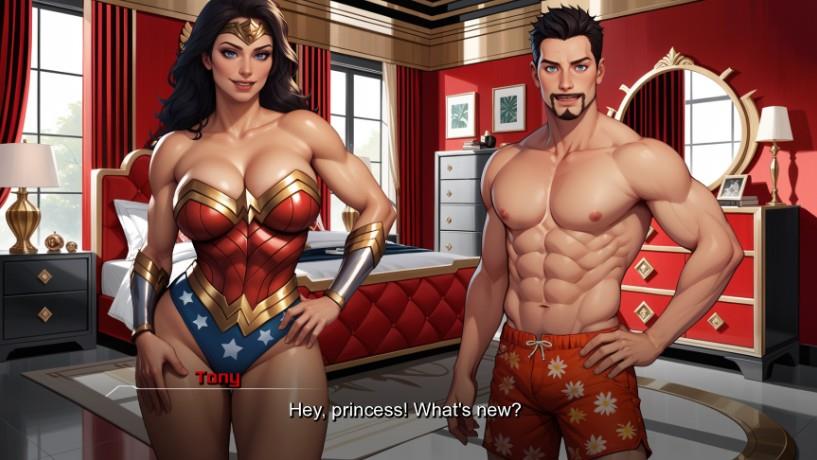
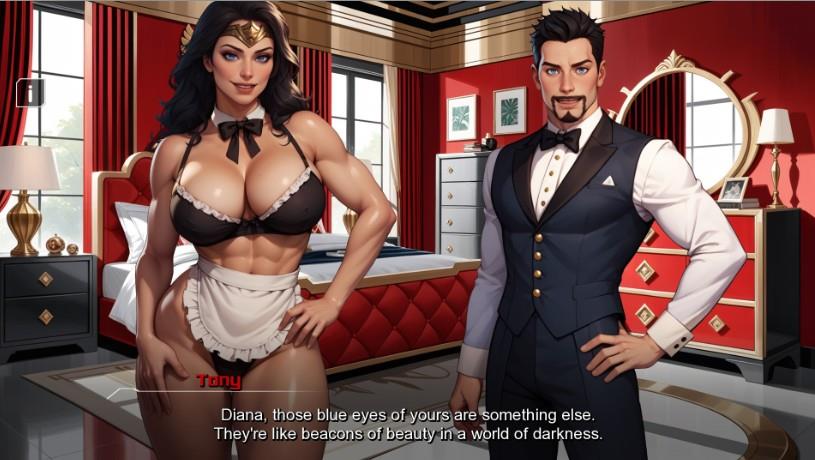
Hero Party places you in the role of a billionaire host who stages extravagant gatherings for costumed heroes and heroines, combining party simulation with light business management and relationship-driven gameplay. In Hero Party you manage a high-tech mansion, plan themed events, curate guest lists and follow emergent interactions that can turn into friendships, rivalries or strategic partnerships, all while upgrading your estate and balancing a modest economy. This introduction explains the core systems, controls, progression and user experience for players looking for a character-focused simulation with decorative and event-planning depth.
The game centers on detailed mansion customization that lets you design rooms, choose furniture styles, install amenities and add subtle tech touches to influence guest behavior. Guest interactions are a mix of scripted scenes and emergent encounters: invited characters arrive with personalities and preferences that create unexpected social moments during a party. Event planning mechanics require you to assemble themes, set menus and match entertainment to guest tastes, and success depends on balancing appeal, available resources and the guest list. Core business simulation elements track revenue, maintenance costs and upgrade paths so that growth feels meaningful without overwhelming micromanagement. A relationship system records affinities and tension between attendees, permitting romantic or professional outcomes depending on the choices you make and the events you host.
Controls are optimized for touch devices with drag-and-drop placement for decor, simple menu-driven event scheduling and intuitive taps for guest interactions and upgrade selection. Parties play out in stages that let you make mid-event decisions, such as swapping entertainment or reallocating staff, which can change the flow of scenes and unlock new story beats. The core loop is straightforward: design a venue, invite guests, host the event, and then assess outcomes to inform the next round of upgrades and invitations. The interface focuses on clarity so that managing multiple systems remains approachable for players new to simulation titles while still offering depth for players who enjoy experimenting with combinations.
Progression is tied to a combination of event reputation and in-game currency earned from successful parties. Upgrades unlock new room types, luxury features and cosmetic options that influence guest satisfaction or unlock fresh interactive scenarios. Resource management emphasizes meaningful choices: invest in better amenities to attract higher-profile guests, or spread investments across several rooms to support diverse party themes. The economy is designed to reward planning while providing forgiving options for casual play, allowing players to recover from a poor event without punitive setbacks.
Customization is a major focus with a palette of themes ranging from sleek modern to vintage glamour, plus technology-driven modules that change how rooms function during parties. Visuals favor stylized character designs and detailed environmental assets that highlight the mansion and its furnishings rather than photorealism, supporting readability during crowded scenes. Subtle animations and context-specific dialogue help bring gatherings to life, and decorative choices can trigger small scripted moments that enhance the sense of authorship over your venue.
Parties are structured as self-contained events that act like short levels, each with specific goals, guest constraints and thematic modifiers. This modular approach supports varied play sessions and encourages replay: changing themes, mixing guest combinations and pursuing different relationship outcomes produces different narrative beats and mechanical challenges. Over time players unlock more complex event types that require more careful coordination, which extends longevity for those who enjoy optimization and creative experimentation.
Accessibility options include adjustable text size, simplified control modes and difficulty settings that reduce time pressure during events. The game supports offline play for the single-player campaign so you can manage your mansion and host parties without a persistent network connection. Tooltips and an in-game help guide explain mechanics and provide suggestions for early progression, smoothing the learning curve for newcomers. Performance is tuned for a broad range of devices to keep sessions responsive even on mid-range hardware.
Some players may find party loops repetitive after extended play if they focus on the same event types, and relationship outcomes can sometimes feel predictable if similar guest combinations are used repeatedly. To keep the experience fresh, experiment with underused themes, rotate guest lists and pursue different upgrade paths. Overall, Hero Party offers a balanced mix of decoration, event management and interpersonal storytelling for players who enjoy building a social sandbox around a customizable base and watching character-driven scenes unfold.

Cum in Out
Size:99.19M Casual2jbet Game
Size:12.94M CasualAlabell
Size:2016.37M CasualTrick or Ahri
Size:93.31M CasualRed snow
Size:216.55M CasualSumod.beta
Size:5.08M CasualTwo Weeks On
Size:123.18M CasualTightfault Revamp Edit
Size:1.14M CasualXSerum
Size:950.87M CasualDouble Homework - Remaster
Size:1310.88M CasualDevious Work : Demo
Size:92.25M CasualKnödel TD
Size:74.40M CasualApril 2024 Clash of Clans Update: Unveiling a Fresh Companion, Enhanced Levels, Chat Tagging, and Be
2024-04-16Arrival of Genshin Impact 4.6 Update: 'Embers of Two Realms, Twilight of Crimson'
2024-04-16V2.2 of the Farlight 84 update introduces an overhauled Season structure, fresh in-game currency, an
2024-04-16Monster Never Cry is now accessible on both Android and iOS mobile devices.
2024-04-18PUBG Mobile Teams Up with Bentley Motors: Luxury Cars, Exclusive Collectibles, and Beyond
2024-04-18March 2024 Free Redemption Codes for Honkai: Star Rail
2024-04-18