English
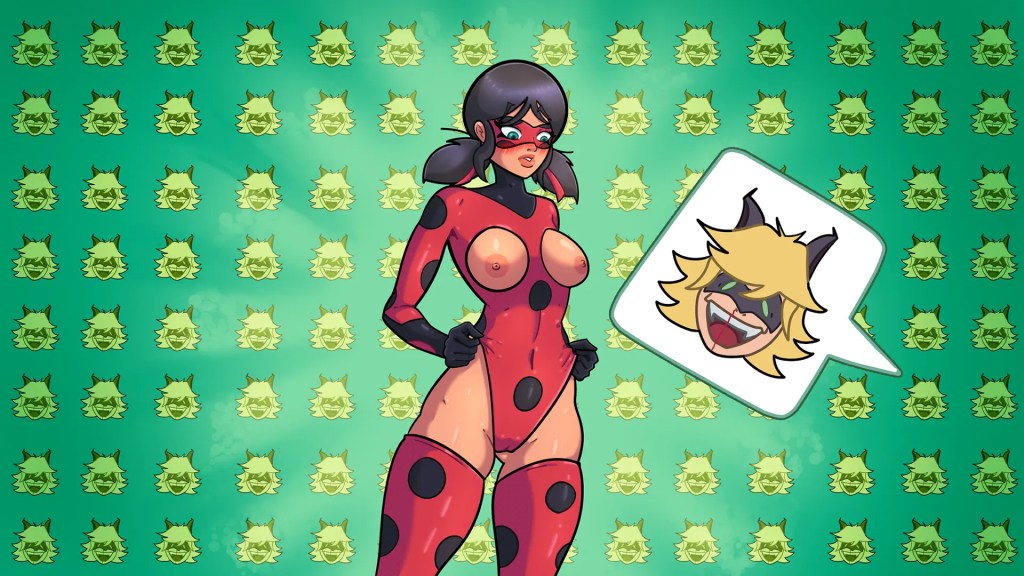
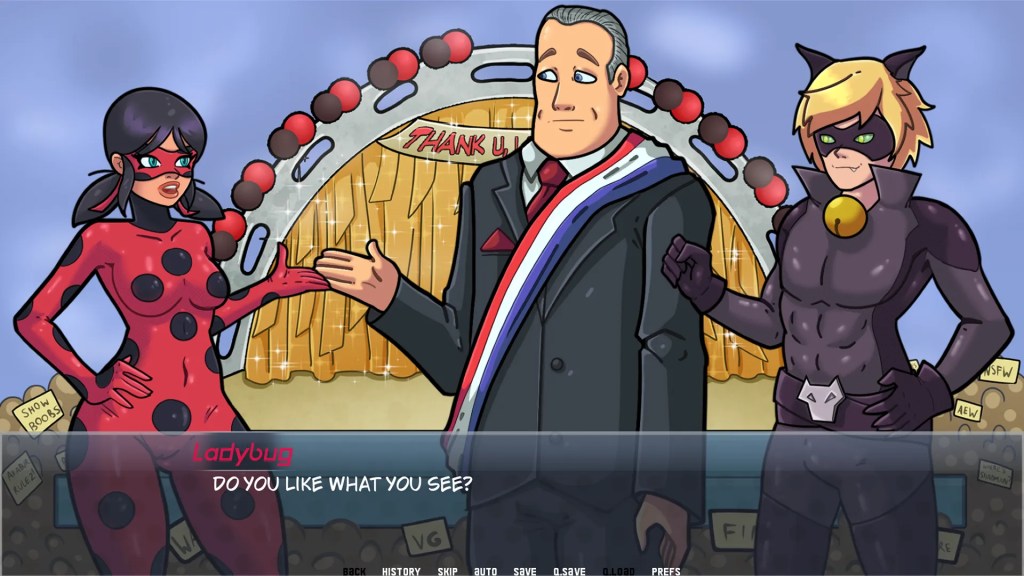
Miraculous Stories: EP1 is an indie, narrative-driven episode that places you in a tense superhero situation where a familiar team must confront an unexpected threat: one member has been akumatized and now opposes their allies. Miraculous Stories: EP1 is written and presented as a short, focused chapter that favors character conflict and moral pressure over complex mechanics, making it possible to experience the full dramatic arc in a single sitting. This release is ideal for players who enjoy compact, story-first adventures with branching outcomes and emotional stakes.
This opening episode emphasizes interpersonal drama, branching dialogue, and scene-based tension rather than action-heavy gameplay. Miraculous Stories: EP1 features handcrafted scenes, clear narrative beats, and a deliberately intimate scale: each sequence is designed to deepen relationships and raise the stakes through choice and reaction. Expect tight pacing, focused confrontations, and a small-team sensibility where atmosphere and moral dilemmas carry the experience.
Gameplay centers on dialogue-driven sequences, branching responses, and situational decisions that shape how each confrontation unfolds. Players progress through a series of narrated moments and short interactive beats where choices alter relationships, immediate outcomes, and later options in the same episode. Occasional timed prompts add urgency to pivotal scenes, but the core interaction remains selecting responses, reading character reactions, and watching consequences ripple through the chapter.
Controls are intentionally simple and accessible: tap or click to advance text, choose clearly labeled dialogue options, and use on-screen prompts for the limited interactive bits. The episode supports autosave plus manual save slots so you can return to key decision points without losing progress. Progression is episode-based and mostly linear in structure, but meaningful branching encourages replay to explore alternate resolutions and dialogue paths that shift later scenes.
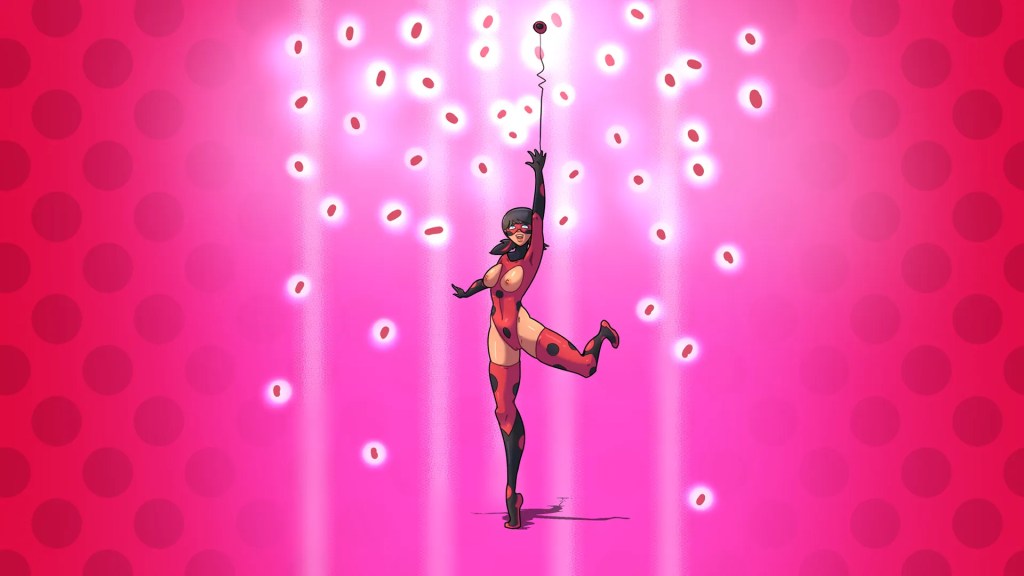
The visual presentation leans into a handcrafted indie aesthetic that emphasizes expression and mood. Scenes are organized as discrete chapters or dramatic beats rather than traditional levels, with each scene built around a confrontation or emotional revelation. Art and localization retain a raw, personal tone that reflects the solo-developer approach; occasional rough edges are part of the project’s character and contribute to a direct, intimate feel rather than studio polish.
Player influence comes primarily through choices and responses rather than cosmetic systems. Replay value is rooted in branching paths, alternate dialogue, and different outcomes to central conflicts; multiple playthroughs reveal new interactions and emotional beats. Accessibility options include adjustable text size, the ability to skip or fast-forward previously read dialogue, and clear on-screen prompts to support a wide range of players. The episode is playable offline with no online account or multiplayer requirements.
The episode balances narrative tension with light challenge elements designed to heighten immersion: timed decisions that pressure your choices, puzzle-lite observation moments, and situational prompts that reward attention rather than reflexes. The overall user experience prioritizes readability, pacing, and emotional resonance, with intuitive navigation and an emphasis on character-driven scenes that sustain dramatic momentum throughout the runtime.
Advantages include a tightly written, dramatic twist on familiar superhero roles and an accessible runtime that makes the episode approachable for new and returning players alike. The indie creator’s personal voice gives the title an authentic perspective. Limitations reflect the project’s early-stage scope: production polish, translation quality, or art may show imperfections compared to larger productions. These trade-offs are acknowledged by the developer and are part of the honest, small-team presentation.
The episode was developed by Valegor, a solo independent creator with experience in narrative-driven adult-themed games who drew inspiration from a broad range of franchise storytelling. Valegor handled design, writing, and iteration personally, focusing on a compact Ladybug-style narrative that prioritizes character stakes and moral complexity over mechanical breadth.
This initial build is released as v0.1 and represents the debut installment of an episodic project; future updates and additional episodes are planned based on player feedback and development capacity. Miraculous Stories: EP1 is presented as the opening chapter in that roadmap, inviting players to experience the story now and return later as the series evolves with improvements, added scenes, and refinement.
Cum in Out
Size:99.19M Casual2jbet Game
Size:12.94M CasualAlabell
Size:2016.37M CasualTrick or Ahri
Size:93.31M CasualRed snow
Size:216.55M CasualSumod.beta
Size:5.08M CasualTwo Weeks On
Size:123.18M CasualTightfault Revamp Edit
Size:1.14M CasualXSerum
Size:950.87M CasualDouble Homework - Remaster
Size:1310.88M CasualDevious Work : Demo
Size:92.25M CasualKnödel TD
Size:74.40M CasualApril 2024 Clash of Clans Update: Unveiling a Fresh Companion, Enhanced Levels, Chat Tagging, and Be
2024-04-16Arrival of Genshin Impact 4.6 Update: 'Embers of Two Realms, Twilight of Crimson'
2024-04-16V2.2 of the Farlight 84 update introduces an overhauled Season structure, fresh in-game currency, an
2024-04-16Monster Never Cry is now accessible on both Android and iOS mobile devices.
2024-04-18PUBG Mobile Teams Up with Bentley Motors: Luxury Cars, Exclusive Collectibles, and Beyond
2024-04-18March 2024 Free Redemption Codes for Honkai: Star Rail
2024-04-18