English
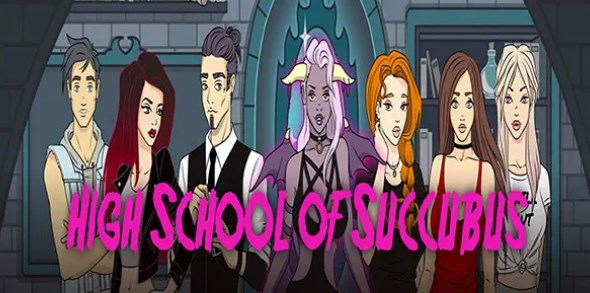
High School of Succubus introduces players to a narrative-driven experience set in a fictional academy environment where all characters are portrayed as adults; the game High School of Succubus focuses on story, strategy, and character management rather than real-world minors. You take on the role of a succubus protagonist navigating a structured daily routine while advancing interpersonal goals, balancing study, work, and social commitments in a branching visual-novel framework that gradually opens into broader gameplay systems.
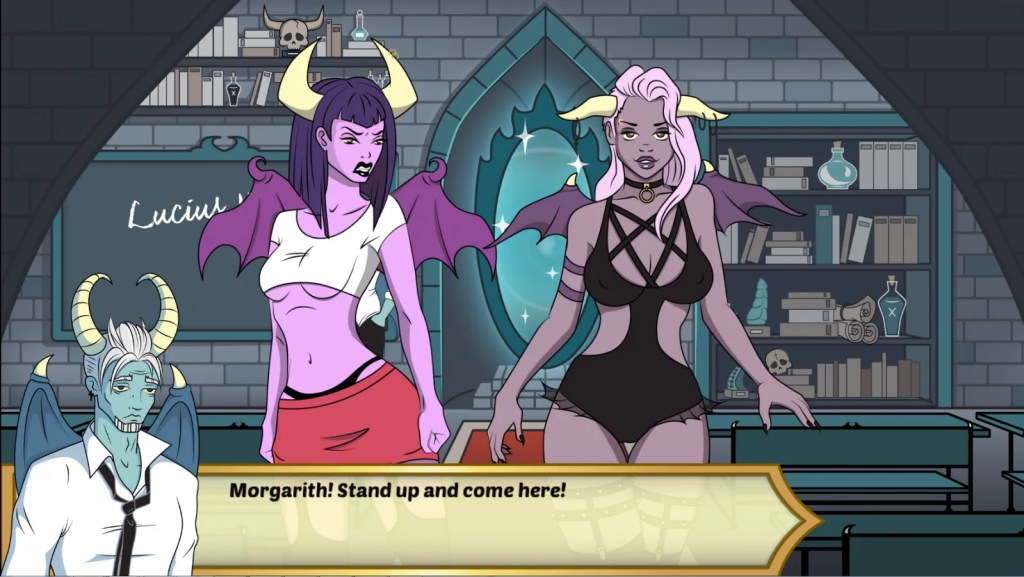
High School of Succubus combines a visual novel opening sequence with active management mechanics, placing emphasis on choice-driven storytelling, interpersonal influence mechanics, and resource allocation. The title includes an outfit and customization system, in-game shops to acquire items and clothing, and scripted influence events that test decision-making rather than explicit content. Select scenes include animated sequences to enhance mood and highlight pivotal story beats, while other moments rely on static artwork and written narrative to carry the plot.
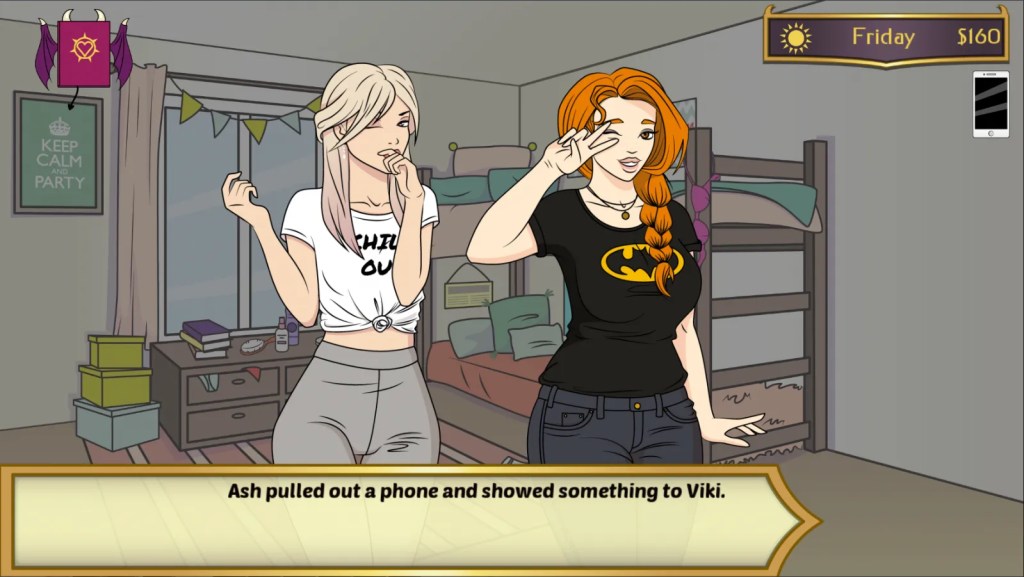
Gameplay revolves around time and resource management: each in-game day offers a finite number of actions such as attending classes, taking part-time jobs, socializing with characters, or pursuing objectives tied to the narrative. Players plan schedules, allocate stamina or currency, and weigh the short-term benefits of working or studying against long-term relationship and story goals. Controls are touch-optimized with straightforward menus for dialogue choices, inventory management, and quick-access bars for core stats, making play sessions suitable for short bursts or longer play periods.
Progression uses a mix of narrative gates and incremental upgrades. Completing tasks and influence events raises character meters that unlock new scenes and branching options, while in-game shops and outfit systems provide cosmetic and mechanical choices that affect how other characters perceive the protagonist. Choices carry persistent consequences: relationships evolve, opportunities become available or close off, and different strategies—such as focusing on work, study, or social influence—lead to unique outcomes. Players earn currency and items through jobs and events that support longer-term planning and character development.
The game blends visual novel presentation with management UI elements. Artwork emphasizes character expression and scene composition, with animated sequences reserved for key narrative moments to amplify atmosphere. Menus are designed for clarity, showing schedules, stats, and objectives at a glance. While animation enhances some highlights, much of the storytelling remains text- and artwork-driven to maintain a steady pace and to keep system requirements modest for a wide range of devices.
Play is organized into days and chapters that introduce new objectives, characters, and complications. Challenge systems include time pressure, limited resources, and choice-based branching that require players to prioritize tasks and adapt plans as the story unfolds. Difficulty emerges from juggling competing demands—work shifts, study obligations, and social opportunities—rather than from reflex-based encounters, creating a strategic layer that rewards planning and attention to character needs.
Menus and controls are tailored for touchscreen interaction with clear labels and simple navigation. The game supports a save/load system that allows mid-session pauses, and most core features are accessible offline after download. Options aim to improve accessibility: readable text sizes, paced dialogue, and a clear indicator for mature content so players can make informed choices. The title is intended for mature audiences, and the description includes content guidance to help users confirm suitability before installing.
High School of Succubus encourages replay through branching narratives and multiple endings driven by different approaches to objectives and relationships. Experimenting with alternate schedules, prioritizing different skill paths, or purchasing varied outfit combinations can open new story branches and reveal additional scenes. The combination of narrative branching and management systems invites different playstyles, from methodical planners who optimize progression to exploratory players who focus on character interactions.
The current release is version 1.75, which includes stability updates and content refinements to improve pacing and UI clarity. Players looking for a narrative experience that blends choice-driven storytelling with time-management mechanics will find High School of Succubus offers layered systems and replayable scenarios while making explicit that all characters are presented as adults and the content is intended for mature players.
Door Policy - New Update!
Size:107.85M CasualCum in Out
Size:99.19M Casual2jbet Game
Size:12.94M CasualAlabell
Size:2016.37M CasualTrick or Ahri
Size:93.31M CasualRed snow
Size:216.55M CasualSumod.beta
Size:5.08M CasualTwo Weeks On
Size:123.18M CasualTightfault Revamp Edit
Size:1.14M CasualXSerum
Size:950.87M CasualDouble Homework - Remaster
Size:1310.88M CasualDevious Work : Demo
Size:92.25M CasualApril 2024 Clash of Clans Update: Unveiling a Fresh Companion, Enhanced Levels, Chat Tagging, and Be
2024-04-16Arrival of Genshin Impact 4.6 Update: 'Embers of Two Realms, Twilight of Crimson'
2024-04-16V2.2 of the Farlight 84 update introduces an overhauled Season structure, fresh in-game currency, an
2024-04-16Monster Never Cry is now accessible on both Android and iOS mobile devices.
2024-04-18PUBG Mobile Teams Up with Bentley Motors: Luxury Cars, Exclusive Collectibles, and Beyond
2024-04-18March 2024 Free Redemption Codes for Honkai: Star Rail
2024-04-18