English
Dark Neighborhood is a moody point-and-click adventure and visual novel that guides players through a choice-driven narrative rich with atmosphere and striking rendered art. In Chapter I of Dark Neighborhood you will encounter roughly 500 rendered scenes spread across more than 20 distinct images and rooms, creating a compact campaign of around two hours where exploration and decisions shape outcomes and can unlock an alternate ending. The game blends visual storytelling with interactive scene work to reward careful observation and repeated playthroughs.
The core appeal of Dark Neighborhood lies in its combination of environmental exploration and branching narrative. Rather than following a single linear path, the experience presents multiple decision points that alter character interactions and scene variants. Chapter I focuses on standalone scenes and rooms, each composed to deliver a strong visual moment; together these scenes form a coherent chapter with a clear beginning, middle and possible alternate conclusion depending on your choices. The presentation emphasizes rendered imagery and mood over fast-paced action, making it suitable for players who prefer atmospheric, narrative-driven games.
Gameplay centers on traditional point-and-click mechanics adapted for touch devices: tap to examine areas, interact with scene elements, and select dialogue or action choices when prompted. Interaction is straightforward and intuitive, allowing players to concentrate on discovery and decision-making rather than complex inputs. Scenes reward investigation — tapping highlighted elements reveals additional rendered frames and may open new conversational or exploration branches. Choice screens present clear options so that consequences feel understandable and deliberate.
Progression in Dark Neighborhood is driven by scene discovery and decision nodes rather than experience points or leveling. As you move through rooms and images, new renders and narrative beats are revealed based on prior choices, which can lead to branching pathways and the alternate ending mentioned for Chapter I. The structure is episodic: Chapter I is self-contained, with a strong focus on completion of scene sequences, encouraging replay to see variations and to locate all the rendered moments the chapter contains. This structure supports players who want a single-session experience as well as those committed to exploring every branch.
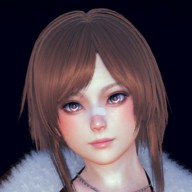
The visual design is a central element of the experience. Dark Neighborhood uses composed, rendered scenes to establish tone and character expression, relying on lighting, framing and art direction to communicate mood and context. Each room and image is treated like a visual vignette, with attention paid to how a single render can shift emotion or reveal narrative detail. The art-first approach means that many moments are memorable for their composition and atmosphere, and visual transitions between scenes emphasize pacing rather than rapid action.
Replayability is built into the branching choices and the high number of rendered scenes; different decisions open alternative sequences and reveal secrets that are not available on an initial playthrough. The compact length of Chapter I makes it practical to replay multiple times to explore new paths. Accessibility is considered in the pacing and interface design: text and choices are presented clearly so that readers can follow the story at a comfortable speed, and the emphasis on taps and simple selections keeps controls approachable for a broad audience. The narrative focus also reduces strain from prolonged reflex demands, making the game easier to enjoy for players seeking a slower, more contemplative experience.
The game is designed to deliver its core chapter as a contained experience once installed, allowing players to enjoy the story without a constant online connection. The interface keeps menus and navigation minimal so that attention stays on exploration and narrative consequence. Loading between scenes is kept brief to preserve immersion, and scene transitions are paced to let players absorb artwork and text. Overall, the user experience favors melancholy atmosphere, deliberate exploration, and choices that carry weight for how the chapter unfolds.
Players should be aware that Dark Neighborhood contains mature thematic content and is intended for adult audiences; it is not suitable for younger players. Chapter I offers a relatively compact run time compared with longer multi-chapter visual novels, so those seeking extensive long-term content may find it brief. On the other hand, the game’s focus on visual composition, branching choices and a clear alternate ending makes it a satisfying entry for fans of atmospheric, narrative-driven interactive fiction.



Cum in Out
Size:99.19M Casual2jbet Game
Size:12.94M CasualAlabell
Size:2016.37M CasualTrick or Ahri
Size:93.31M CasualRed snow
Size:216.55M CasualSumod.beta
Size:5.08M CasualTwo Weeks On
Size:123.18M CasualTightfault Revamp Edit
Size:1.14M CasualXSerum
Size:950.87M CasualDouble Homework - Remaster
Size:1310.88M CasualDevious Work : Demo
Size:92.25M CasualKnödel TD
Size:74.40M CasualApril 2024 Clash of Clans Update: Unveiling a Fresh Companion, Enhanced Levels, Chat Tagging, and Be
2024-04-16Arrival of Genshin Impact 4.6 Update: 'Embers of Two Realms, Twilight of Crimson'
2024-04-16V2.2 of the Farlight 84 update introduces an overhauled Season structure, fresh in-game currency, an
2024-04-16Monster Never Cry is now accessible on both Android and iOS mobile devices.
2024-04-18PUBG Mobile Teams Up with Bentley Motors: Luxury Cars, Exclusive Collectibles, and Beyond
2024-04-18March 2024 Free Redemption Codes for Honkai: Star Rail
2024-04-18