English
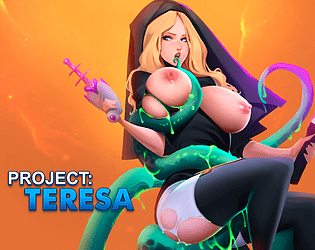
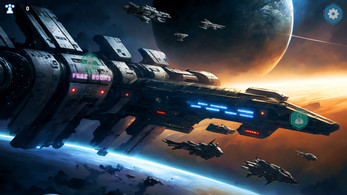
Project:Teresa places you at the captain's chair of a mysterious starcraft and invites players into a story-driven sci-fi adventure where choice, exploration and crew dynamics shape the experience. In Project:Teresa you will chart courses between planetary orbits, abandoned interstellar stations and dense asteroid fields while unraveling a central mystery that unfolds through expanded dialogues and character interactions. The game balances narrative depth with environmental exploration, and its new art and backgrounds deepen atmosphere without demanding high-speed combat, making exploration and decision-making the primary engines of progression.
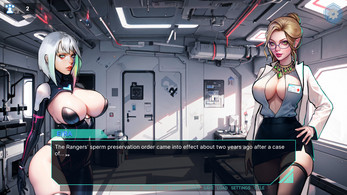
Project:Teresa focuses on conversational gameplay, exploration sequences and situational problem solving. Navigation around the ship and on exterior locations is handled through simple touch controls: tap to move, swipe to pan the camera and contextual buttons to interact with objects or initiate conversations. Dialogue choices are presented clearly and have visible short- and long-term consequences, letting you steer crew relationships and story branches. Interaction menus consolidate inventory, mission logs and ship systems so players can review clues, examine evidence and plan routes. Pacing is deliberately measured, giving players time to read, explore scenes and return to previously visited locations as new options become available.
Progress through Project:Teresa is chapter-based, with each chapter unlocking new locations, characters and narrative branches. Player decisions influence crew trust and access to optional missions, and different crew compositions yield unique dialogue and problem-solving approaches. The game encourages replay by offering alternative routes through the mystery, hidden side scenes tied to character backstories and multiple possible outcomes based on investigative thoroughness. Save slots and a concise mission log make it easy to experiment with choices and return to earlier points to explore different consequences without losing progress.
The visual refresh in this release emphasizes atmospheric backgrounds, character art updates and refined interface elements to support immersion. Backgrounds range from cramped station corridors to expansive orbital vistas, each rendered to suggest scale and isolation while preserving legibility on mobile screens. Character portraits and expression frames give weight to conversations, and subtle visual effects such as dynamic lighting, particle cues and environmental animation enhance the mood without distracting from the narrative. Audio design complements the visuals with ambient tracks and contextual sound cues that underline tension during discovery and calm moments during shipboard downtime.
Project:Teresa organizes content into distinct environments—ship interiors, derelict platforms, planetary outposts and navigational waypoints—each with its own set of encounters and environmental puzzles. Challenges are primarily investigative: locating clues, piecing together logs, gaining access to locked areas through creative use of crew skills and deciding when to take risks. Puzzle difficulty tends to be moderate and scales through optional hints that can be toggled. Encounters with unusual races and anomalous phenomena require observation and dialogue-based strategies rather than reflex-based combat, reinforcing the game's emphasis on thoughtful exploration.
While Project:Teresa does not rely on complex customization systems, it gives players meaningful choices through crew assignment, dialogue options and the order in which they approach objectives. The user interface is designed for clarity: readable fonts, adjustable text size and accessible menu layouts reduce visual strain. Accessibility settings include subtitle toggles, high-contrast UI modes and simplified control presets to accommodate different play styles. Tooltips and a persistent mission log help new players understand objectives without interrupting immersion, while optional fast-forward and auto-skip in repeated dialogue streamline replay sessions.
Project:Teresa is primarily playable offline after installation, allowing long play sessions without a constant network connection; periodic updates or optional downloadable content may require internet access. The game is optimized for a range of devices with scalable graphics settings so players on mid-range hardware can enjoy the story and art without performance issues. Save synchronization is local by default, preserving privacy and offering immediate access to saved chapters on the device.
The latest update expands the central mystery with new storylines and dialogues, adds supporting characters who bring fresh perspectives to crew dynamics, and refreshes many backgrounds and art assets to enhance atmosphere. Small quality-of-life improvements refine controls, clarify mission tracking and improve accessibility options so both returning players and newcomers can dive into Project:Teresa with fewer barriers and a richer narrative experience.
Cum in Out
Size:99.19M Casual2jbet Game
Size:12.94M CasualAlabell
Size:2016.37M CasualTrick or Ahri
Size:93.31M CasualRed snow
Size:216.55M CasualSumod.beta
Size:5.08M CasualTwo Weeks On
Size:123.18M CasualTightfault Revamp Edit
Size:1.14M CasualXSerum
Size:950.87M CasualDouble Homework - Remaster
Size:1310.88M CasualDevious Work : Demo
Size:92.25M CasualKnödel TD
Size:74.40M CasualApril 2024 Clash of Clans Update: Unveiling a Fresh Companion, Enhanced Levels, Chat Tagging, and Be
2024-04-16Arrival of Genshin Impact 4.6 Update: 'Embers of Two Realms, Twilight of Crimson'
2024-04-16V2.2 of the Farlight 84 update introduces an overhauled Season structure, fresh in-game currency, an
2024-04-16Monster Never Cry is now accessible on both Android and iOS mobile devices.
2024-04-18PUBG Mobile Teams Up with Bentley Motors: Luxury Cars, Exclusive Collectibles, and Beyond
2024-04-18March 2024 Free Redemption Codes for Honkai: Star Rail
2024-04-18