English
Tavern In The New World is a compact, narrative-driven single-player game that places you in charge of a struggling tavern while navigating mature relationship themes. Tavern In The New World combines light management with branching dialogue to create a focused, story-first experience where decisions shift character relationships and the fate of the establishment.
The core loop pairs straightforward tavern management with decision-led narrative scenes. Players run day-to-day service: prepare a small menu, allocate limited ingredients and coin, and respond to patrons' requests. Instead of deep economic simulation, the mechanics emphasize meaningful trade-offs — choosing who to serve first, whether to spend on a quick upgrade, or how to satisfy a sensitive request can change reputation and unlock new scenes. Conversation options and service decisions are the main levers that affect character attitudes and future events.
Controls are optimized for touch devices with clear, direct interactions. Menus use taps and simple drag-and-drop for assigning tasks or rearranging furniture. Dialogue uses a choice-based interface with optional auto-advance and single-tap confirmations to reduce repetitive input. Contextual prompts highlight available actions during scenes, and inline tooltips explain mechanics as they appear, helping new players learn without lengthy tutorials. The interface prioritizes readable text and minimal menus so short play sessions remain productive and engaging.
Progression unfolds across a sequence of in-game days that form discrete chapters, each introducing new dilemmas and raising the stakes. Reputation, resource balance and prior choices influence which events appear and which character paths are available. Challenge comes from managing scarce resources, handling time-sensitive situations, and weighing competing character needs rather than complex micromanagement. These constraints create tension around each decision: what you spend and who you favor will change subsequent interactions and available options.
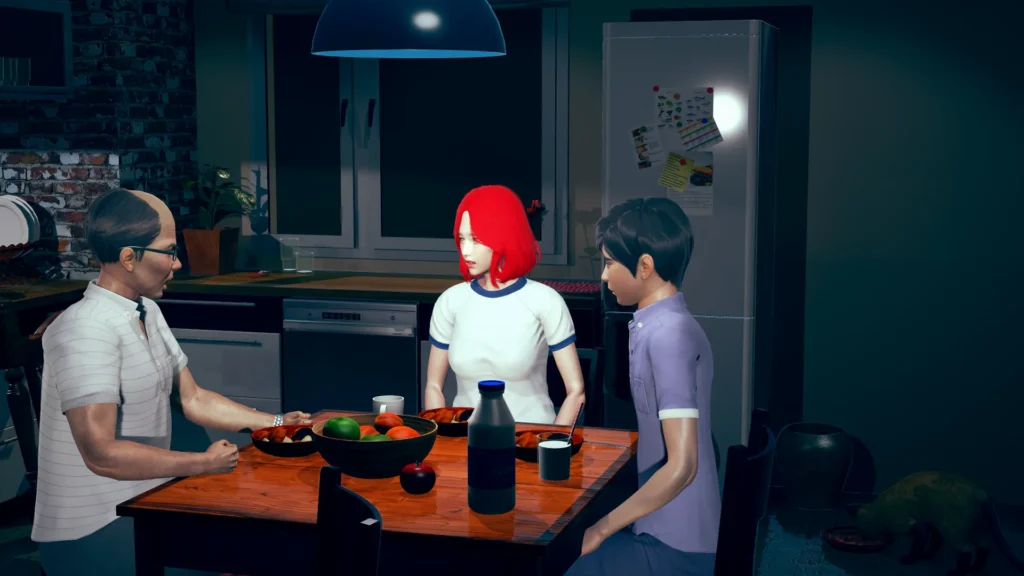
The game adopts a stylized, character-focused visual approach that supports readable portraits, expressive event scenes and a simplified top-down view of the tavern during service. Customization is modest and meaningful: players can rearrange furniture to influence flow, select menu emphasis for the day, and invest earnings into small upgrades that affect patron satisfaction. Cosmetic options are practical and tied to gameplay consequences so changes feel impactful without overwhelming the narrative focus.
Days and events are grouped into chapters with branching nodes that respond to earlier choices. Many scenes are conditional: a single dialogue choice or service decision can open a new branch or close off an interaction path. Branching is compact but deliberate, with multiple endings that reflect the tavern’s fate and the protagonist’s personal outcomes. This structure encourages short replay sessions focused on exploring different relationship priorities and story permutations.
Replayability arises from the branching narrative and the way reputation and resources shape event availability. Because a few key choices lead to different character beats, replaying with varied priorities reveals alternative arcs and endings. The challenge is primarily situational — balancing limited supplies, responding to urgent requests, and managing social consequences — which rewards thoughtful decisions over speed or optimization.
Tavern In The New World is built for single-player, offline-friendly play so sessions can be started and resumed without a network connection. The game includes an autosave mechanism and manual save slots to support experimentation with different choices. Accessibility options include adjustable text size, dialogue auto-advance toggles, and an optional hint layer that clarifies the likely short-term consequences of certain actions for players who prefer clearer feedback.
This listing corresponds to version 0.3 from developer LestatDX Games and reflects an early release focused on narrative and relationship systems. Known limitations include a compact cast and a streamlined management feature set compared with larger simulation titles. The developer has prioritized story impact and branching consequences over deep economic modeling, and future updates may expand event content and balance. Feedback-driven patches are expected to refine mechanics and add additional scenes over time.
Tavern In The New World is suited for players who appreciate choice-heavy, character-driven stories with light management elements and mature themes presented in a neutral, narrative context. If you prefer games that emphasize interpersonal drama, consequence-driven decisions, and short, repeatable playthroughs rather than complex simulation, this game offers a concentrated and approachable single-player experience.




Arielle’s Descent: Arcane Academy
Size:271.50M CasualNTR Revenge 2
Size:207.57M CasualIsekain’t
Size:90.13M CasualRyara’s Fall Petals of Depravity
Size:1352.70M CasualLilith’s Heart
Size:146.87M CasualThe Mansion Mouse v.0.15-0.16
Size:516.50M CasualSuper Wet Memory Reloaded
Size:1890.09M CasualKinfolk Key, Alabama
Size:360.37M CasualFF&S: Scenes That Didn’t Happen
Size:266.45M CasualTrick or Treat
Size:71.91M CasualPitayia - Desires online
Size:276.15M CasualFuta Island: Last Man Filming
Size:323.02M CasualApril 2024 Clash of Clans Update: Unveiling a Fresh Companion, Enhanced Levels, Chat Tagging, and Be
2024-04-16Arrival of Genshin Impact 4.6 Update: 'Embers of Two Realms, Twilight of Crimson'
2024-04-16V2.2 of the Farlight 84 update introduces an overhauled Season structure, fresh in-game currency, an
2024-04-16Monster Never Cry is now accessible on both Android and iOS mobile devices.
2024-04-18PUBG Mobile Teams Up with Bentley Motors: Luxury Cars, Exclusive Collectibles, and Beyond
2024-04-18March 2024 Free Redemption Codes for Honkai: Star Rail
2024-04-18