English
Hachishaku is an adult-oriented horror role-playing game that places you in a deserted Japanese village where survival depends on stealth, observation and difficult choices. You take the role of Chado-san, a monk returning to his childhood hometown to find rotting buildings, moss-covered shrines and rumors of an eight-foot spirit. Hachishaku favors slow-building dread over constant action, mixing investigative exploration with audio-driven stealth and environmental puzzles to shape a tense, atmospheric experience.
The core loop revolves around exploring interconnected locations — a decrepit mansion, broken houses, temple ruins and quiet forest paths — while searching for clues, hidden objects and cryptic notes that reveal the story. A stalker mechanic governs threat behavior: the antagonist reacts to sound, light and proximity, so players must manage movement, crouch, hide in furniture or foliage, and use the environment to block line of sight. Puzzles range from inventory-based item combinations to environmental timing challenges and small mechanical riddles tied to shrine quests, rewarding careful observation and patience rather than combat skill.
Controls are designed for touch-driven mobile play with context-sensitive interaction. Tap to move or inspect, swipe to quickly change camera angles, and hold to enter a stealth stance or hide. On-screen prompts appear only when relevant to reduce clutter, and an inventory wheel lets you examine items, combine clues or use tools such as a flashlight or a small charm. The interface supports quick saves and manual saves at key locations so you can experiment with different approaches without losing progress.
Progression is tied to discovery and choice rather than character stats. Collectible journals, faded photographs and five hidden Jizo statues advance the narrative and open new areas; finding certain clues unlocks branching story paths that lead to different endings. Difficulty is expressed through larger and more frequent stealth challenges, fewer hint prompts, and puzzle variants that test timing and pattern recognition. The game encourages replay by revealing new dialogue and events when you approach the same area with different items or choices.
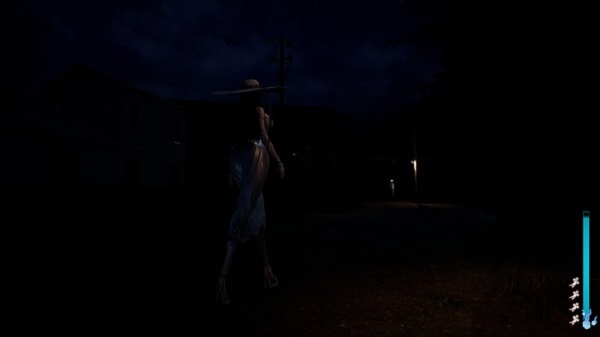
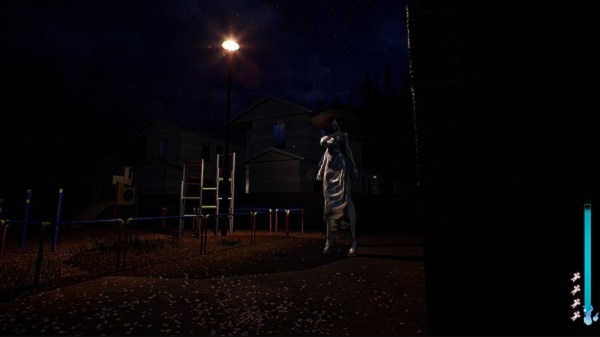
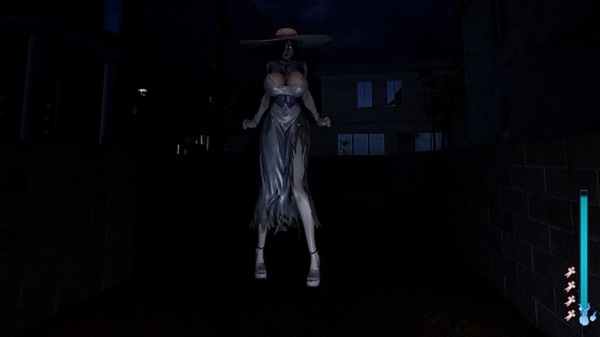
Visually the game leans on anime-influenced character art paired with realistic environmental textures to create an uncanny atmosphere. Lighting is used deliberately to shape tension: narrow hallways, shadowed shrines and flickering lanterns produce contrast that rewards careful scanning. Levels are arranged as semi-open hubs connected by short paths and transitional interiors, allowing backtracking to previously unreachable rooms once you collect the right tools or clues. Environmental storytelling — objects left in haste, torn photographs, soot-stained tatami — drives much of the narrative exposition.
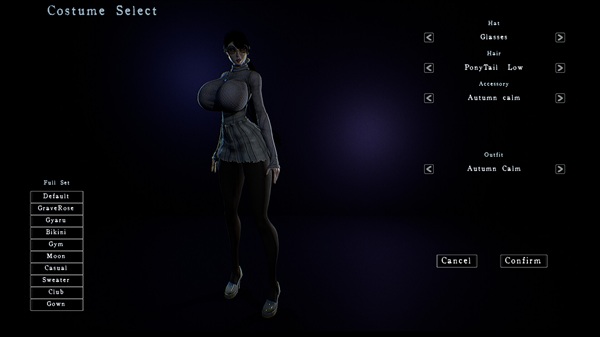
Customization elements let players personalize their experience by unlocking outfits, hairstyles and accessories for key characters, which serve primarily as aesthetic rewards and minor variations in NPC reactions. A forthcoming optional Gravure Mode is mentioned as a cosmetic toggle that will allow different outfit displays within the game’s fictional context; core gameplay, puzzles and endings remain unaffected by these cosmetic options. All customization is unlocked through in-game progress and collectible milestones rather than paid shortcuts.
Multiple endings, collectible goals and hidden scenes increase replay value and encourage experimentation with stealth strategies and dialogue choices. Some endings require uncovering nearly all environmental clues, while others become available by making specific dialogue decisions or failing to rescue particular items. The combination of branching narrative and collectible-driven unlocks gives the title longevity beyond a single walkthrough.
The game supports adjustable audio levels, optional subtitles for all spoken lines, and sensitivity settings for touch controls to accommodate different play preferences. Hints can be toggled to offer gentle guidance on puzzle structure without removing the challenge. Hachishaku is built to be fully playable offline after installation, with local save files and no mandatory online services, so players can enjoy the experience without a persistent connection.
Expect deliberate pacing and moments of high tension rather than nonstop action. To succeed, listen for audio cues, move deliberately in well-lit areas, and pay attention to small details in the environment that point to puzzle solutions. If you prefer a more guided experience, enable hints and a lower difficulty setting; if you enjoy careful observation and replaying for alternate outcomes, challenge modes and collectible hunts will provide satisfying depth. Hachishaku delivers a measured, investigative horror experience for players who appreciate atmosphere, narrative mystery and stealth-based problem solving.
My Dream Store
Size:215.30M PuzzleFlying Rahul Gandhi
Size:4.95M PuzzleMerge Magic!
Size:42.97M PuzzleClockmaker
Size:150.52M PuzzleWhere's My Perry?
Size:41.60M PuzzleMonument Valley 2
Size:282.69M PuzzleMerge Neon Car
Size:136.75M PuzzleCubeX - Solver, Timer, 3D Cube
Size:16.87M PuzzleMatch Factory
Size:228.55M PuzzleAntistress - relaxation toys Mod
Size:122.55M PuzzleMergic: Merge & Magic
Size:150.68M PuzzleMerge Mystery : Resort
Size:169.60M PuzzleApril 2024 Clash of Clans Update: Unveiling a Fresh Companion, Enhanced Levels, Chat Tagging, and Be
2024-04-16Arrival of Genshin Impact 4.6 Update: 'Embers of Two Realms, Twilight of Crimson'
2024-04-16V2.2 of the Farlight 84 update introduces an overhauled Season structure, fresh in-game currency, an
2024-04-16Monster Never Cry is now accessible on both Android and iOS mobile devices.
2024-04-18PUBG Mobile Teams Up with Bentley Motors: Luxury Cars, Exclusive Collectibles, and Beyond
2024-04-18March 2024 Free Redemption Codes for Honkai: Star Rail
2024-04-18