English
The Prison Guard is a narrative-driven experience that puts you in the shoes of Amy, a 36-year-old veteran officer whose name you can personalize. The Prison Guard emphasizes character and consequence over action: expect slow-building tension, quiet conversations in dim corridors, and decisions that affect relationships and the unfolding story rather than reflex-based challenges. This introduction outlines what to expect from the game, including mechanics, progression, visual tone, and quality-of-life options to help you decide if this title fits your playstyle.
This game is a character study that focuses on atmosphere, interpersonal tension, and professional dilemmas. The narrative is chapter-based, with each chapter representing a work shift or sequence of events that reveals more about the protagonist and the people around her. Encounters range from routine rounds and administrative decisions to more charged conversations that test judgment and empathy. The design keeps mechanics simple so the player’s attention remains on dialogue, observation, and moral choices rather than on fast-paced combat or arcade sequences.
Gameplay centers on exploration, conversation, and decision points. Interactions are primarily point-and-tap: tap to inspect objects, open doors, and engage in conversations; choose from dialogue options presented with clear contextual cues. The control scheme is intentionally accessible with a minimal learning curve—no complex combos or gestures—so players can concentrate on reading the scene and choosing their responses. Subtle timing choices and observational prompts reward careful players, and an optional hint system can help if you prefer a more relaxed experience.
Progression is narrative-driven rather than experience-point based. The story advances through a sequence of chapters that introduce new situations and deepen relationships with supporting characters. Key decisions are recorded in a journal that you can review to track consequences and missed opportunities. Multiple narrative branches and several distinct endings encourage replay: different choices open new dialogue options and reveal alternative scenes on later playthroughs. Save-anytime functionality lets you experiment without penalty and return to earlier chapters to explore alternate outcomes.
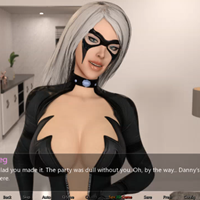
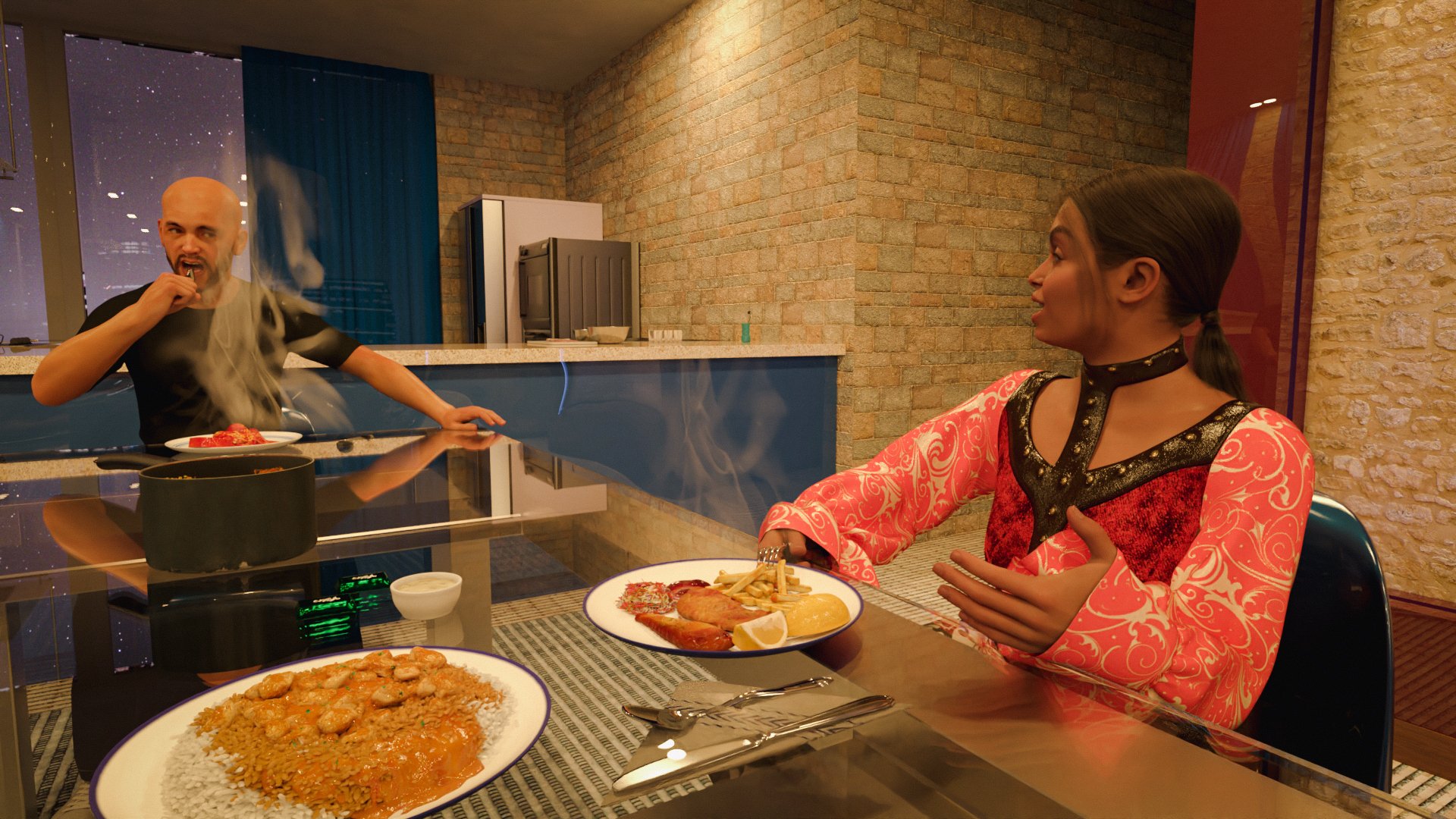
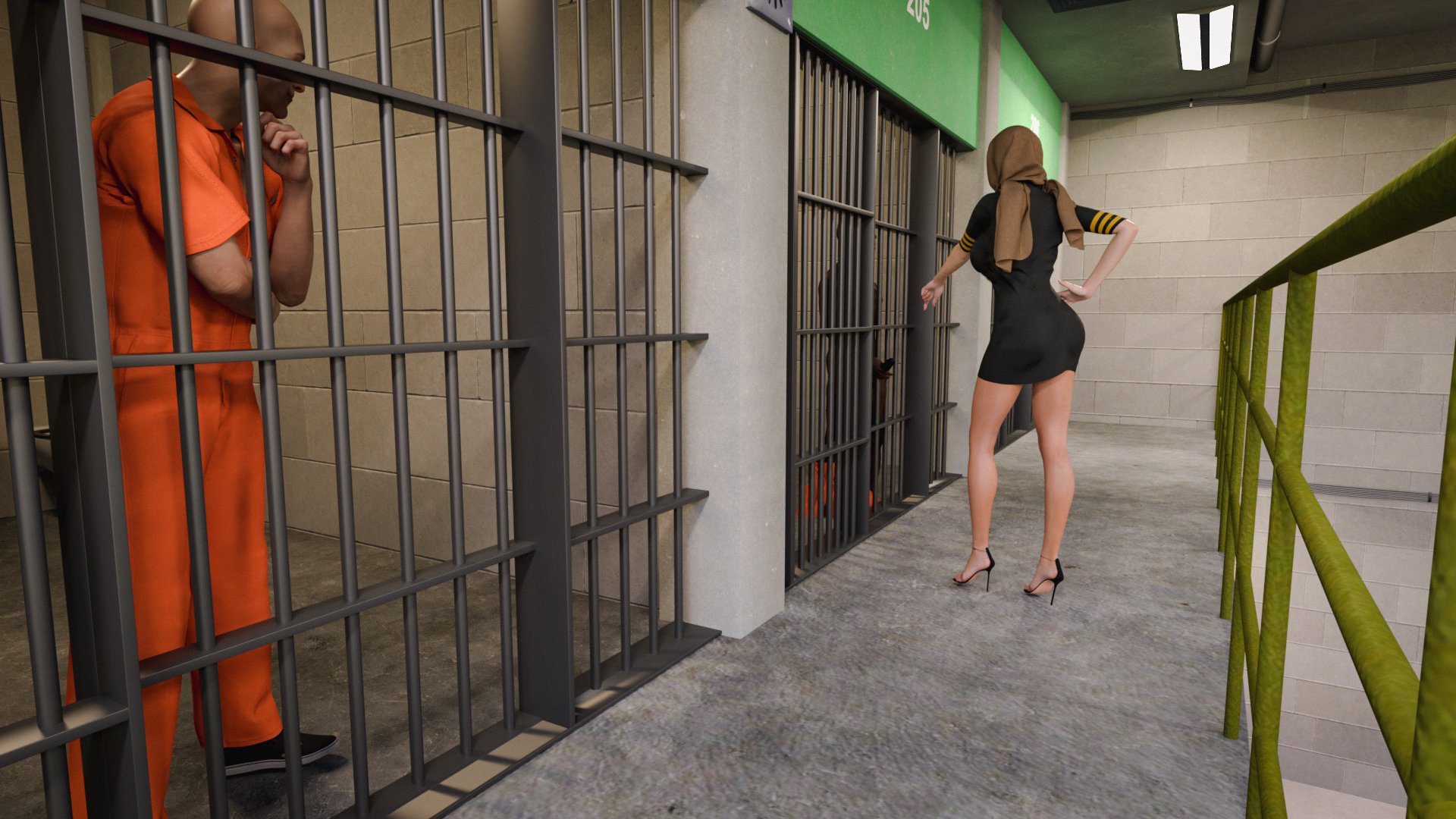
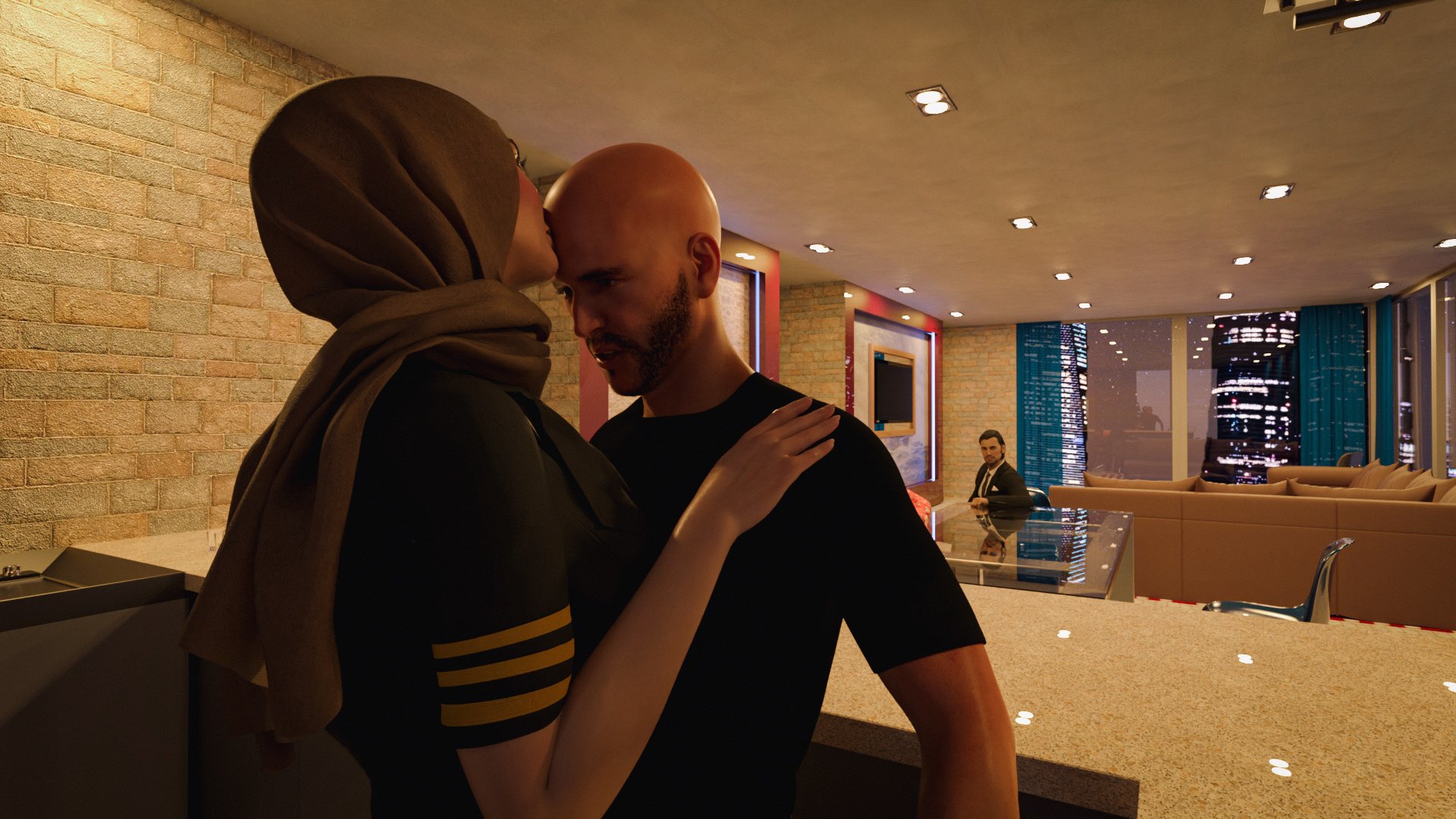
The Prison Guard uses a moody, atmospheric visual palette that supports the game’s intimate tone. Lighting, muted colors, and careful camera framing create a sense of confinement and routine, while close-up character portraits emphasize emotion during key scenes. Sound design focuses on ambient noise, footsteps, distant announcements, and a subtle score to reinforce atmosphere rather than dominate it. These elements combine to produce an immersive setting where small gestures and expressions carry weight.
Character personalization is focused and meaningful: you can rename the protagonist and make a handful of cosmetic choices to reflect different approaches to the role. These options do not alter mechanics but help tailor the story to your perspective. The interface is discreet—clean text presentation, readable fonts, and unobtrusive prompts—so storytelling remains central. Local progress tracking and optional content toggles allow players to adjust how much narrative detail appears during gameplay.
Replayability comes from branching dialogues, multiple endings, and the chance to pursue different relationship paths on subsequent runs. The game offers a few challenge settings to shift pacing and tension: a relaxed mode for a purely narrative experience and a standard mode where choice timing and resource-like constraints add stakes to some decisions. All challenge options are single-player and local, preserving the contemplative tone while giving players control over how intense they want the experience to feel.
Accessibility options include adjustable text size, high-contrast UI elements, and simplified controls for players who prefer minimal interaction complexity. There is a toggled subtitle and transcript mode to assist with comprehension of conversations. The Prison Guard is designed to be fully playable offline after installation, so you can experience the chapters without a persistent network connection. Regular saves, a reviewable journal, and clear navigation make for a comfortable, steady play experience suitable for short sessions or longer, reflective play.
Between Her Toes
Size:203.29M CasualCaprice
Size:216.95M CasualKomaki Won’t Come to Class (Komakiko)
Size:159.31M CasualDavid VS Goliath
Size:2298.70M CasualActual Roommates
Size:165.00M CasualA Ghostly Desire
Size:412.00M CasualLusty Mother
Size:88.80M CasualGrandma’s House: College Days
Size:422.48M Casual與死亡共舞-Dance with Death-
Size:90.45M CasualCosplay with My Sisters
Size:616.20M CasualEchoes / Phone Simulator / DEMO
Size:361.38M CasualUncommon Life
Size:240.28M CasualApril 2024 Clash of Clans Update: Unveiling a Fresh Companion, Enhanced Levels, Chat Tagging, and Be
2024-04-16Arrival of Genshin Impact 4.6 Update: 'Embers of Two Realms, Twilight of Crimson'
2024-04-16V2.2 of the Farlight 84 update introduces an overhauled Season structure, fresh in-game currency, an
2024-04-16Monster Never Cry is now accessible on both Android and iOS mobile devices.
2024-04-18PUBG Mobile Teams Up with Bentley Motors: Luxury Cars, Exclusive Collectibles, and Beyond
2024-04-18March 2024 Free Redemption Codes for Honkai: Star Rail
2024-04-18