English
Magical Girl Opal is a single-player tactical role-playing game that puts you in the shoes of Hikari Saitou, a university student who transforms into a magical heroine to defend Mikamai Town. The title blends turn-based combat, exploration, and a branching narrative that treats mature themes in a non-explicit, consequence-driven way. Players who enjoy strategic encounters, transformation-heroine stories, and replayable story paths will find a focused experience with unlockable content and multiple outcomes.
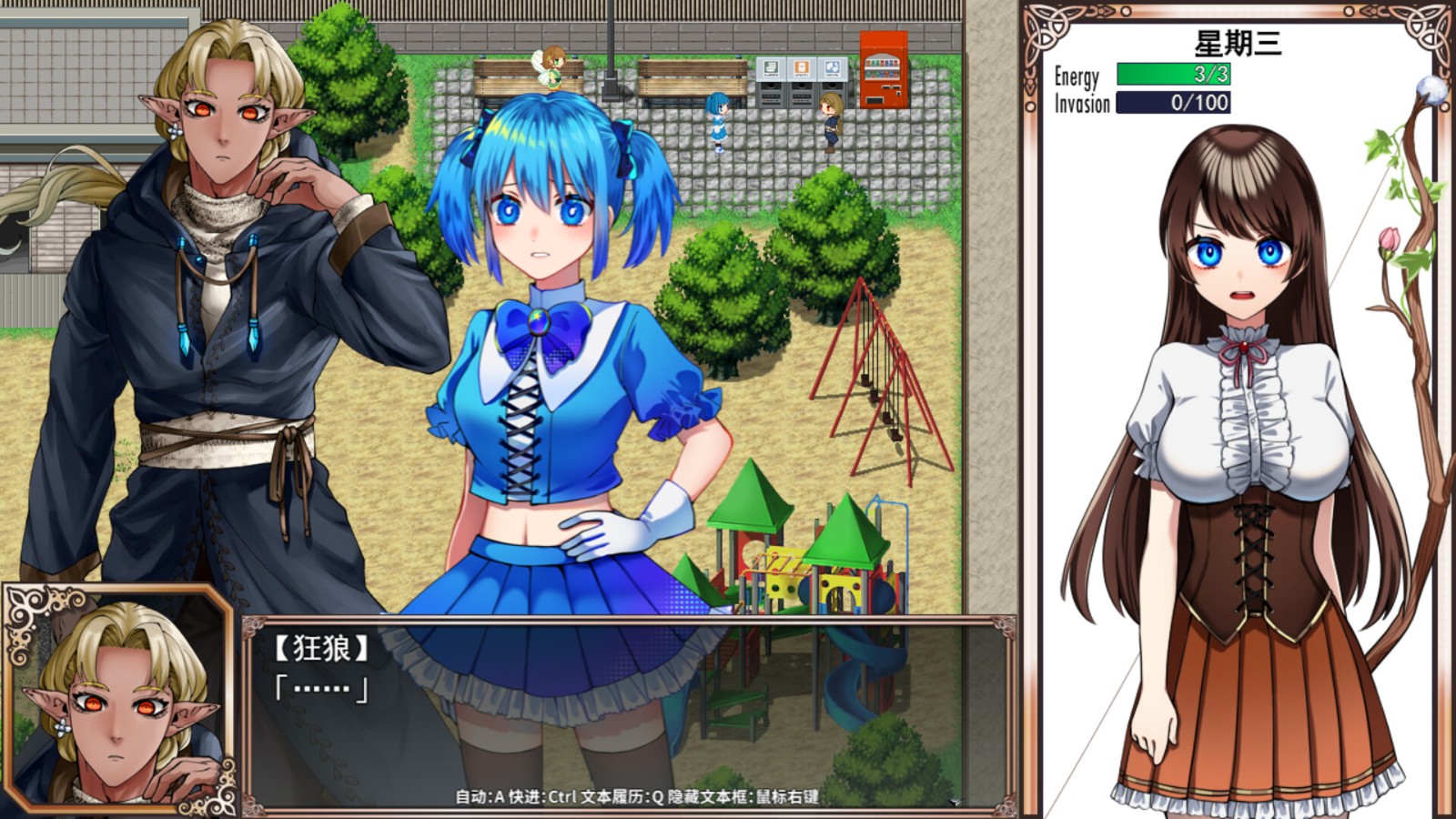
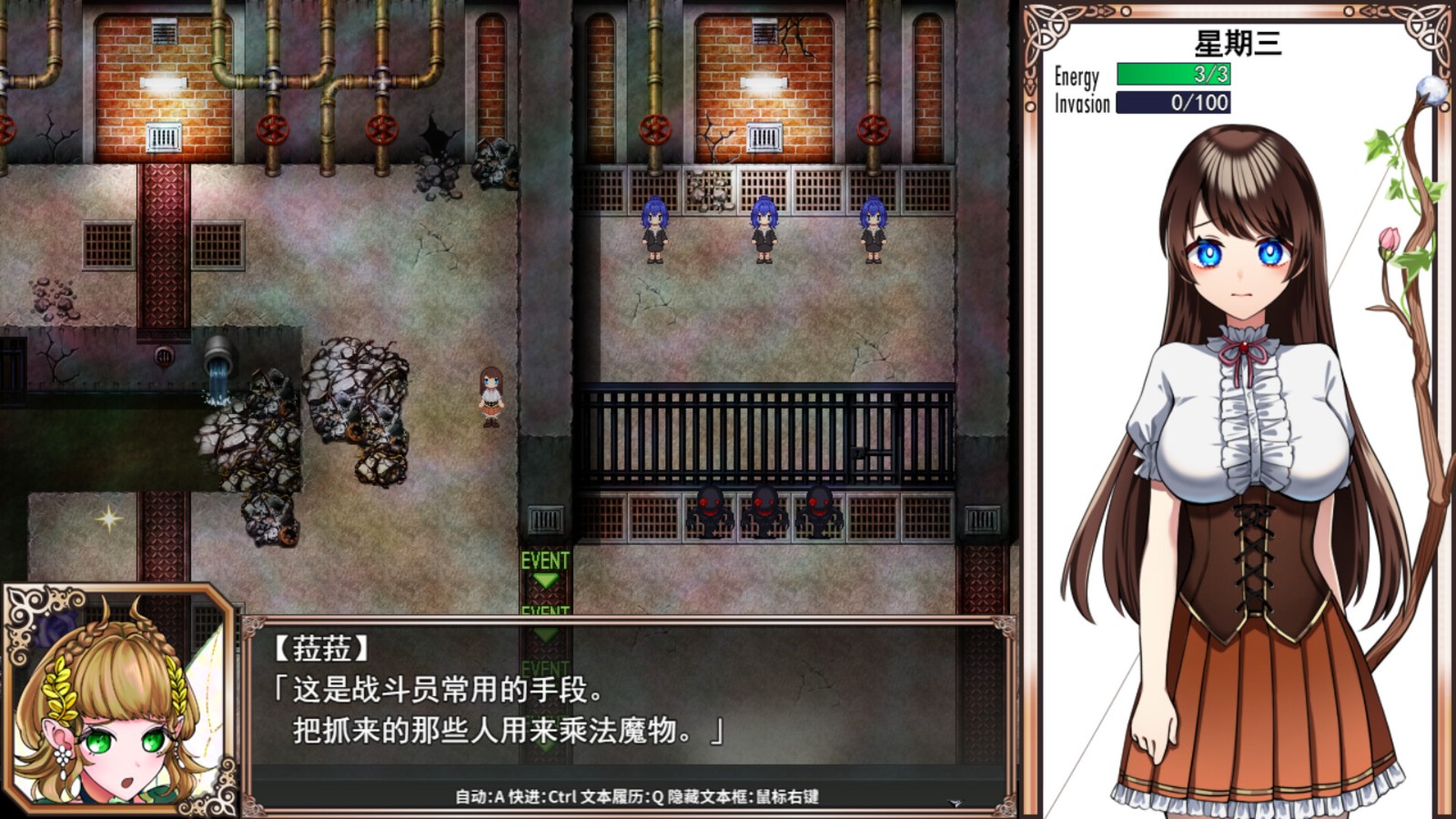
The game cycles between daytime management and frontline missions. During daytime segments you make choices about school, relationships and resource allocation that influence available missions and how NPCs respond later in the story. Exploration uses visible-enemy dungeon design: enemies appear on the map, so you can choose to engage, avoid or trigger events by interacting with characters and objects. Decisions made while moving through town and field areas feed directly into branching narrative routes, giving weight to both combat and social selection.
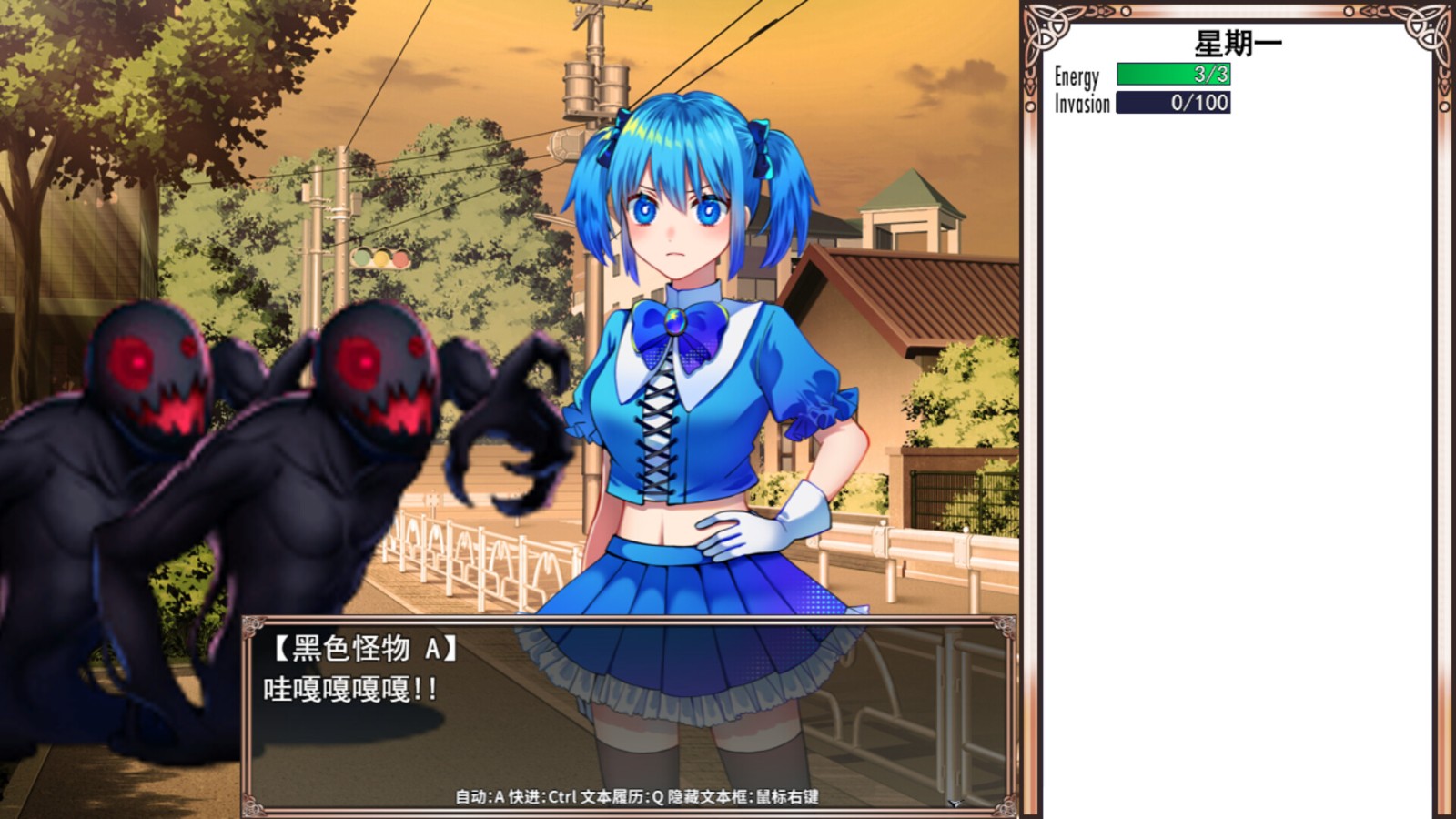
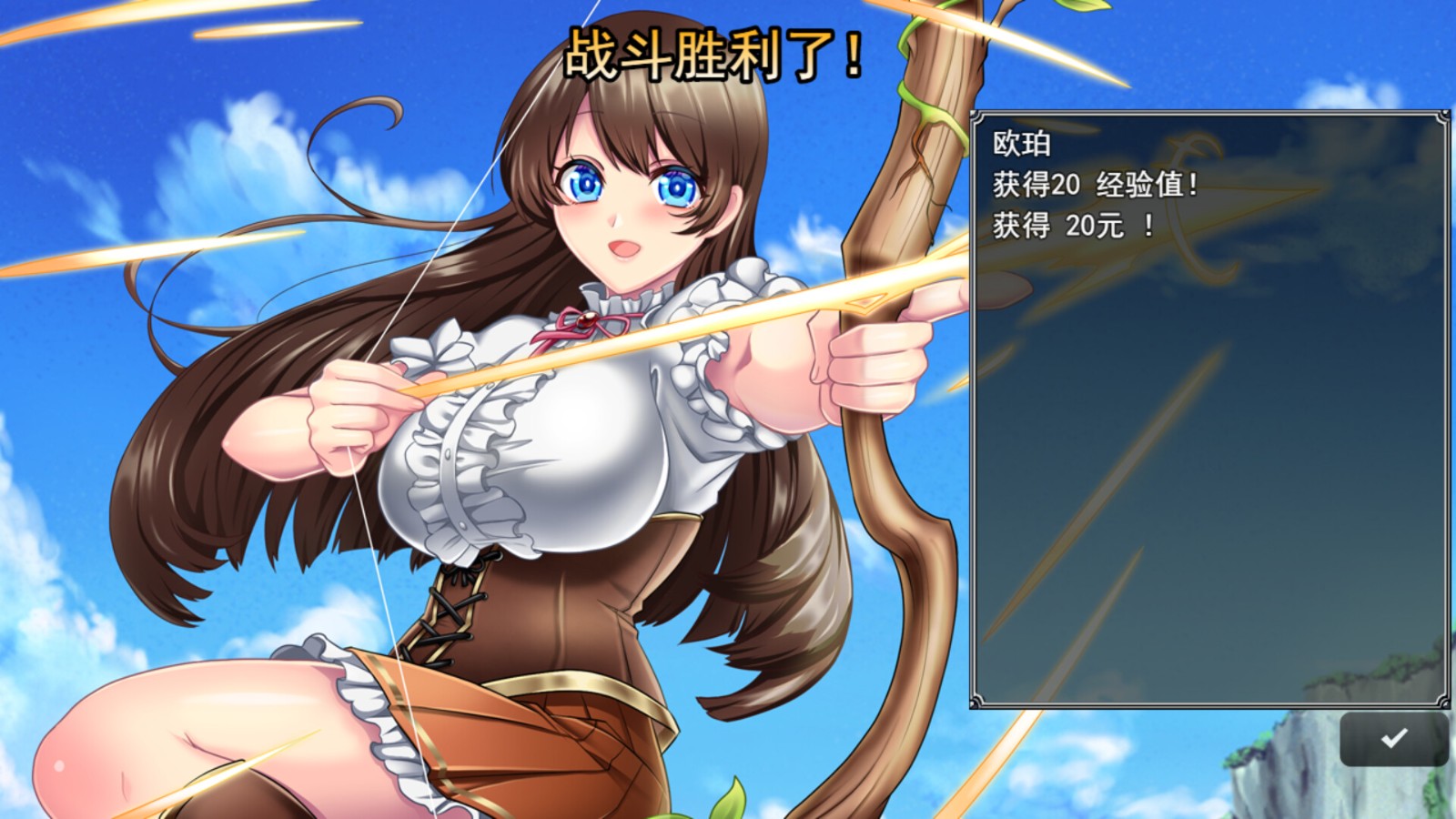
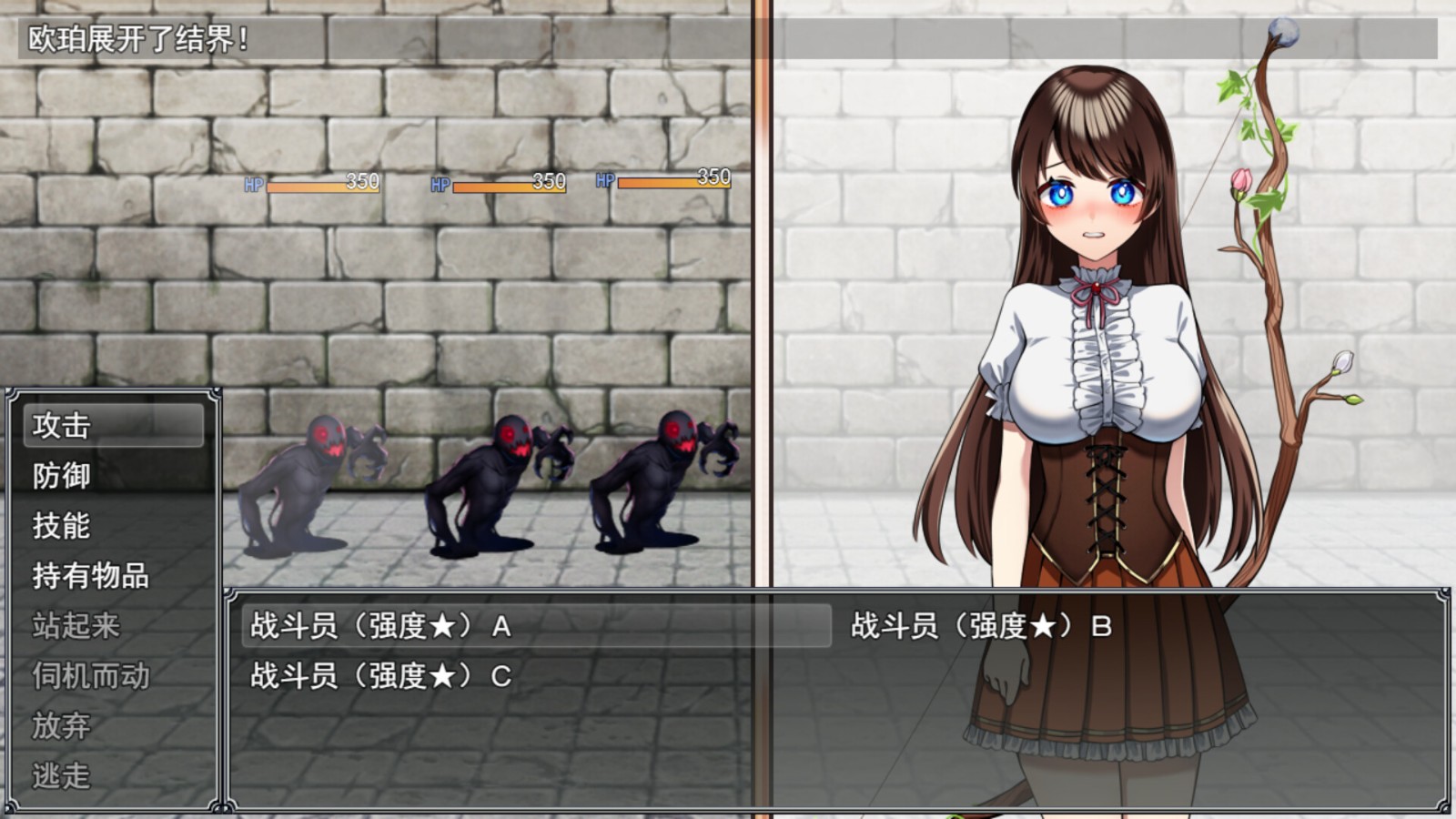
Combat in Magical Girl Opal emphasizes tactical positioning, timing and resource management rather than reflex-driven actions. Battles progress through layered stages—barrier depletion, staggered windows, special status effects and finally defeat—with each phase opening different tactical options. The outcome of fights can affect relationship status, open or close story paths and change certain endings, so losses have narrative meaning beyond temporary setbacks. Controls are optimized for touch: tap to select abilities, drag to change targets and use on-screen menus to manage skills, items and team order.
Character progression is anchored in experience gained from both combat and narrative activities, with deliberate pacing tied to story milestones to reduce grind. You can configure Hikari’s loadout, prioritize which abilities to develop and select passive bonuses that complement your playstyle. Daytime choices consume stamina or similar resources, requiring trade-offs between training, rest and story-driven actions. A persistent invasion-level marker tracks how certain actions change the broader threat to the city; when thresholds are reached, new mission types and plot developments become available, encouraging different approaches on subsequent playthroughs.
The presentation leans toward an anime-inspired aesthetic with detailed character portraits, expressive event scenes and hand-crafted, tile-based dungeon areas. Levels are arranged around a central town hub with branching field zones and distinct named dungeons, each offering specific enemy archetypes and environmental hazards that invite varied strategies. Event scenes and portraits are used to support narrative tone and character development rather than explicit depiction; visual design focuses on atmosphere, readable combat information and clear feedback for player choices.
Customization extends to equipment and ability loadouts as well as a curated gallery that unlocks art and records as you reach story milestones. Character records and achievement tracking help completion-minded players monitor progress across routes and endings. The game provides options to specialize Hikari toward different tactical roles and to tune party composition for synergies that reward experimentation with team members and passive upgrades.
Replayability is a central consideration: multiple endings emerge from choices in both daily life and combat, and the invasion-level mechanic can steer the story into alternate tonal directions—redemption, conflict or morally ambiguous outcomes. New routes reveal different character interactions and unlock additional gallery content, encouraging players to revisit decisions and explore how divergent actions alter relationships and the city’s fate. Save slots and information screens make it easier to plan multiple runs without losing track of previous choices.
The interface is designed for clarity on mobile screens with readable dialogue windows, contextual help and straightforward menus for party management and ability assignment. Control sensitivity and text-size options help tailor readability and interaction comfort, and difficulty settings accommodate players seeking either tactical challenge or a steadier narrative pace. Save-and-resume functionality is supported for short sessions, and core gameplay is fully available offline after installation, so the game can be enjoyed without a persistent internet connection.
Magical Girl Opal contains mature themes and storylines intended for adult audiences; these elements are presented in a neutral, non-explicit manner and are used to create narrative tension and consequential choices rather than graphic content. If you appreciate tactical turn-based gameplay combined with a character-driven, branching story and transformation-heroine motifs, this game offers a compact, well-structured single-player experience that rewards thoughtful decision-making and replay exploration.
My Dream Store
Size:215.30M PuzzleFlying Rahul Gandhi
Size:4.95M PuzzleMerge Magic!
Size:42.97M PuzzleClockmaker
Size:150.52M PuzzleWhere's My Perry?
Size:41.60M PuzzleMonument Valley 2
Size:282.69M PuzzleMerge Neon Car
Size:136.75M PuzzleCubeX - Solver, Timer, 3D Cube
Size:16.87M PuzzleMatch Factory
Size:228.55M PuzzleAntistress - relaxation toys Mod
Size:122.55M PuzzleMergic: Merge & Magic
Size:150.68M PuzzleMerge Mystery : Resort
Size:169.60M PuzzleApril 2024 Clash of Clans Update: Unveiling a Fresh Companion, Enhanced Levels, Chat Tagging, and Be
2024-04-16Arrival of Genshin Impact 4.6 Update: 'Embers of Two Realms, Twilight of Crimson'
2024-04-16V2.2 of the Farlight 84 update introduces an overhauled Season structure, fresh in-game currency, an
2024-04-16Monster Never Cry is now accessible on both Android and iOS mobile devices.
2024-04-18PUBG Mobile Teams Up with Bentley Motors: Luxury Cars, Exclusive Collectibles, and Beyond
2024-04-18March 2024 Free Redemption Codes for Honkai: Star Rail
2024-04-18