English
Symphony of the Serpent places you in a rain-soaked city gripped by a mysterious, potentially dangerous virus and centers the player on a young outsider who inherits a cryptic relic that reshapes the unfolding story. In Symphony of the Serpent you explore ruined neighborhoods, interrogate witnesses, and follow threads of occult intrigue while building relationships with a cast of unusual companions; narrative choices and dialogue determine who trusts you, which factions gain the upper hand, and how the relic’s powers are revealed over time.
The game emphasizes branching narrative paths and meaningful decision-making: choices during conversations and investigations open new scenes, shift character loyalties, and alter the order in which events occur. Rather than rely on combat, Symphony of the Serpent leans into exploration, dialogue, and puzzle-like encounters that test deduction and moral judgment. The relic you inherit acts as a narrative fulcrum — it influences story beats, unlocks hidden possibilities during key moments, and ties personal character arcs to the broader conspiracy without turning the game into a systems-heavy RPG.
Play consists primarily of scene-based exploration and visual-novel style interaction. Controls are optimized for touch: tap to advance text, choose dialogue options from clear, contextual menus, and select locations on a simple map to continue the investigation. Interactions with companions take the form of extended conversations and optional side scenes that deepen backstories and modify future responses; these conversational mechanics are easy to learn but produce complex outcomes across playthroughs. The interface supports auto-advance and choice confirmations for players who prefer a relaxed pace.
Progress in Symphony of the Serpent advances through chapters and milestone events rather than levels. As you move from district to district, character relationships develop based on repeated choices and specific dialogue options, unlocking new scenes and reshaping available courses of action. While the game does not feature inventory-heavy crafting or equipment management, the relic and allied characters provide situational abilities that create tactical narrative opportunities — for example, an ally’s knowledge may let you access a restricted area or interpret an obscure clue. These emergent possibilities are the primary form of customization: how you assemble and influence your group changes what content you can reach.
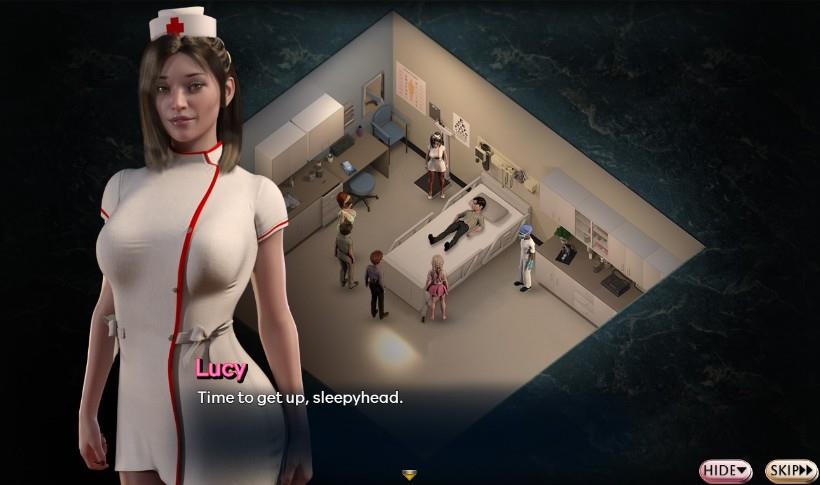
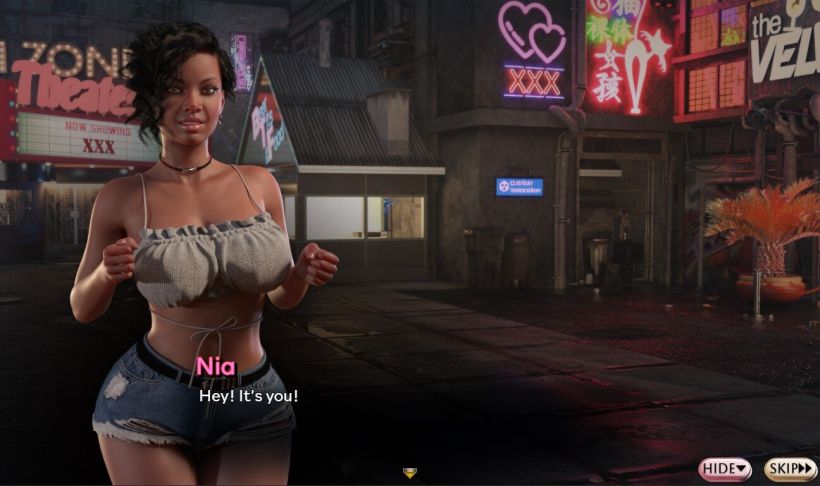
The presentation favors moody, atmospheric visuals with detailed character portraits and cinematic scene framing that underscore emotional beats and mystical themes. Background art captures the city’s decaying beauty and supernatural undertones while music and ambient sound help set tone during tense investigations or intimate conversations. Voice work, where present, is used sparingly to highlight important sequences and preserve the player’s focus on textual choices and character writing.
Story content is organized into self-contained chapters that each advance the central mystery while offering side encounters that reveal character history and local lore. Challenges arise from investigative puzzles, selective information gathering, and moral dilemmas that often have no clear right answer; the difficulty is in recognizing which leads to follow and which relationships to cultivate. Because outcomes hinge on combinations of choices rather than mechanical dexterity, the game rewards patient observation and careful dialogue selection.
Multiple endings are accessible through different alliance patterns, critical choices, and the order in which you resolve key plot threads. Symphony of the Serpent is designed for replay: new information becomes available on subsequent playthroughs, and previously closed scenes can open once you pursue alternate relationships or investigate overlooked clues. Players who enjoy piecing together narrative puzzles will find the branching paths and hidden scenes encourage several full runs to see all outcomes.
The app includes standard accessibility options such as adjustable text size, dialogue auto-advance, and a skip-read function for text you have already seen to streamline repeated playthroughs. Language and subtitle support aim to make character-driven storytelling easier to follow for a global audience. After download the single-player experience is playable offline; there is no requirement for a persistent online connection to experience the story and endings.
Expect a character-driven experience that blends mystery, mysticism, and restrained romance, with an emphasis on emotional stakes and ethical tension rather than fast-paced action. Symphony of the Serpent suits players who prefer narrative depth, careful decision-making, and slowly revealed conspiracies; those seeking combat-focused gameplay may find the pace deliberate. The game maintains mature themes in a neutral, story-focused manner and is intended for players who appreciate layered writing and complex interpersonal drama.

Cum in Out
Size:99.19M Casual2jbet Game
Size:12.94M CasualAlabell
Size:2016.37M CasualTrick or Ahri
Size:93.31M CasualRed snow
Size:216.55M CasualSumod.beta
Size:5.08M CasualTwo Weeks On
Size:123.18M CasualTightfault Revamp Edit
Size:1.14M CasualXSerum
Size:950.87M CasualDouble Homework - Remaster
Size:1310.88M CasualDevious Work : Demo
Size:92.25M CasualKnödel TD
Size:74.40M CasualApril 2024 Clash of Clans Update: Unveiling a Fresh Companion, Enhanced Levels, Chat Tagging, and Be
2024-04-16Arrival of Genshin Impact 4.6 Update: 'Embers of Two Realms, Twilight of Crimson'
2024-04-16V2.2 of the Farlight 84 update introduces an overhauled Season structure, fresh in-game currency, an
2024-04-16Monster Never Cry is now accessible on both Android and iOS mobile devices.
2024-04-18PUBG Mobile Teams Up with Bentley Motors: Luxury Cars, Exclusive Collectibles, and Beyond
2024-04-18March 2024 Free Redemption Codes for Honkai: Star Rail
2024-04-18