English
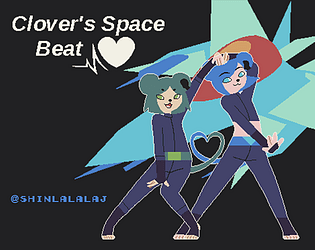
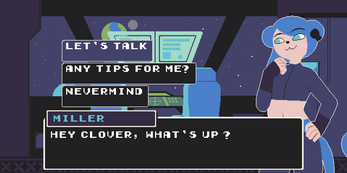
Clover's Space Beat is a rhythm-driven action experience that blends timing-based music mechanics with exploration and light RPG-style progression. This listing describes the mobile game version of Clover's Space Beat and is intended for the games/rhythm category: you pilot a small starship through vibrant stages, attack and dodge on the beat, collect upgrades, and explore hidden paths while listening to an eclectic soundtrack.
At its core, Clover's Space Beat combines beat-matching inputs with movement and spatial awareness. Each stage lays out a musical map where enemies, hazards, and collectible notes are synchronized to the track. Players must hit timing windows to deal damage, trigger defensive maneuvers, or boost combo meters; successful chains increase score multipliers and unlock temporary bonuses. Encounters vary from tight corridors that reward precision to open arenas that emphasize positioning, and boss fights introduce layered patterns that alter the rhythm and require adaptive timing.
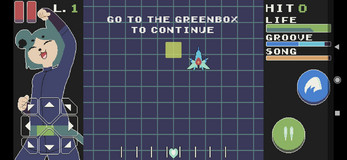
Controls are optimized for touchscreens and are also compatible with controller input when available. The interface keeps information concise: a central rhythm bar shows upcoming hit windows, a compact HUD displays shield, health and combo status, and contextual prompts appear only when new mechanics are introduced. Sensitivity and input timing can be adjusted in settings to accommodate different playstyles, and touch zones can be resized for easier accessibility on smaller screens.
Progression in Clover's Space Beat is built around modular ship upgrades and small narrative beats delivered by NPCs. Upgrades are split into offensive, defensive and utility categories: offensive modules increase beat-linked damage or add area effects, defensive parts improve shields or grant health regeneration on combo milestones, and utility modules provide dash maneuvers, short slow-time bursts, or extended pickup ranges. Blueprints and upgrade materials are earned through stage completion, optional minibosses, and challenge modes, allowing players to tailor a ship to timing-heavy play, survivability, or exploration.
Stages are compact but designed with layers and optional routes. Each map contains hidden paths, optional miniboss encounters, and score objectives that unlock additional content. Replay value comes from mastering rhythm patterns, testing new upgrade combinations, or replaying sections with different difficulty modifiers that change enemy placement and rhythm complexity. In-game scoreboards track best runs locally, and rotating challenge sets offer new restrictions or goals to encourage repeated play without requiring online services.
The art direction favors neon retro-futurism with clean vector shapes, smooth particle effects, and animations that synchronize to the music. Visual feedback is tied closely to audio events so successful hits produce clear audiovisual cues. Each world has a distinct musical palette, from chiptune-driven asteroid belts to ambient synth zones, and optional soundpacks are available for players who want expanded music libraries. Audio cues double as gameplay signals to help anticipate hazards and teach patterns organically.
Customization extends beyond ship modules: players can tweak control sensitivity, HUD scale, and visual intensity to match device performance and personal preference. Cosmetic options let you change ship colors and trail effects unlocked through in-game achievements, but they do not affect gameplay balance. The interface aims to reduce clutter during play while providing detailed status information during pauses and upgrade screens, keeping the learning curve gradual for new pilots.
Clover's Space Beat includes accessibility options such as adjustable timing windows, colorblind-friendly visual cues, and remappable touch zones. Performance options allow players to lower particle or effect quality to maintain smooth frame rates on lower-end devices. After the initial download, the core game is playable offline; optional music packs or updates may require an internet connection but are not necessary to enjoy the main campaign and challenge modes.
Challenge modes provide specific goals—high scores, combo limits, or hazard modifiers—that change how a stage is approached without introducing online dependencies. New players are encouraged to focus on timing and pattern recognition: hit windows reward anticipation as much as reaction, and many enemy sequences repeat in measures that become predictable with practice. Balance upgrades between offense and defense to survive longer runs and experiment with modifiers to accelerate progression or increase score potential.
Clover's Space Beat presents a focused rhythm-action package that supports short sessions and longer playthroughs alike, offering layered mechanics for players who enjoy refining runs, exploring optional content, and adapting their ship and controls to personal preference.
Cum in Out
Size:99.19M Casual2jbet Game
Size:12.94M CasualAlabell
Size:2016.37M CasualTrick or Ahri
Size:93.31M CasualRed snow
Size:216.55M CasualSumod.beta
Size:5.08M CasualTwo Weeks On
Size:123.18M CasualTightfault Revamp Edit
Size:1.14M CasualXSerum
Size:950.87M CasualDouble Homework - Remaster
Size:1310.88M CasualDevious Work : Demo
Size:92.25M CasualKnödel TD
Size:74.40M CasualApril 2024 Clash of Clans Update: Unveiling a Fresh Companion, Enhanced Levels, Chat Tagging, and Be
2024-04-16Arrival of Genshin Impact 4.6 Update: 'Embers of Two Realms, Twilight of Crimson'
2024-04-16V2.2 of the Farlight 84 update introduces an overhauled Season structure, fresh in-game currency, an
2024-04-16Monster Never Cry is now accessible on both Android and iOS mobile devices.
2024-04-18PUBG Mobile Teams Up with Bentley Motors: Luxury Cars, Exclusive Collectibles, and Beyond
2024-04-18March 2024 Free Redemption Codes for Honkai: Star Rail
2024-04-18