English
Lucky Winner is a fast-paced arcade-style title that combines simple touch controls with chance-driven rewards and tactical choices, delivering short sessions that are easy to pick up. This editor overview explains core mechanics, progression, visuals, and accessibility so you can decide whether Lucky Winner fits your play habits. The description below focuses on how rounds work, what to expect from upgrades and levels, and which quality-of-life options make the game approachable on a range of devices.
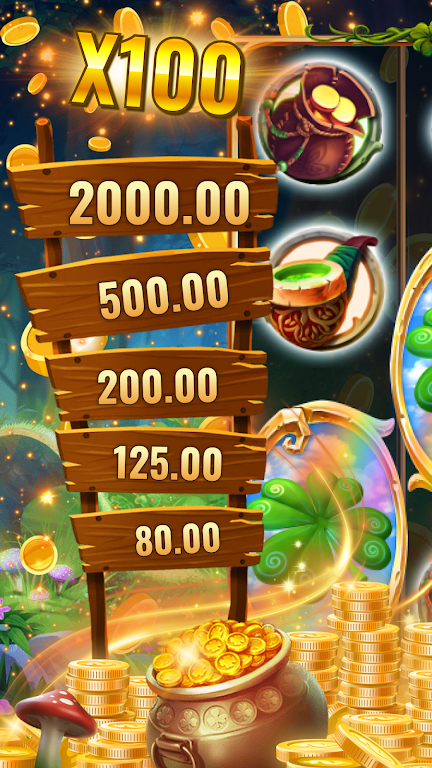
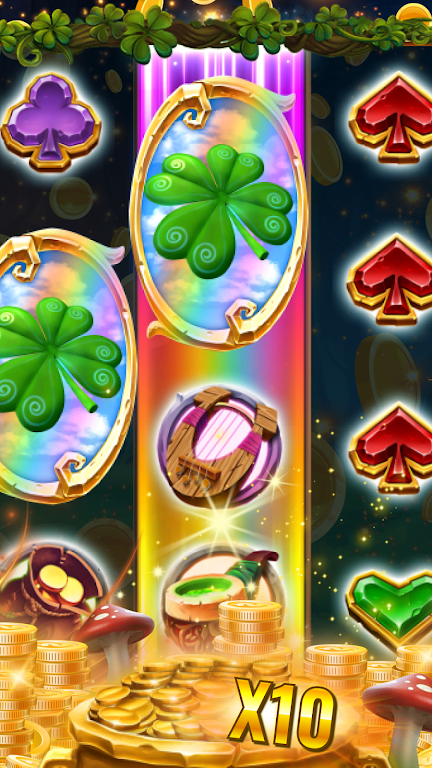
The core loop of Lucky Winner centers on quick rounds where players spin, match, or activate tiles and icons to earn points and in-game currency. Each round mixes deterministic inputs with randomized outcomes: your taps and timing influence which combos trigger, but randomized drops and bonus items introduce variety. This combination creates moments that reward both reflexes and planning, from chaining multipliers to deciding which tiles to clear first to extend a combo window.
Controls are intentionally simple yet responsive. Most interactions use taps, swipes, and holds: a tap selects or activates an icon, a swipe shifts pieces or targets a zone, and a long press charges or previews a move. These basic inputs allow for nuanced timing such as precision taps for combo chains. The control scheme is optimized for touch screens and works equally well on smaller phones and larger tablets.
Progression in Lucky Winner is driven by a combination of short-term rewards and longer-term upgrades. Completing levels grants currency and stars that can be invested in abilities, permanent boosts, or cosmetic unlocks. Early upgrades are designed to accelerate learning and improve consistency, while later investments let players specialize toward faster runs, higher multiplier potential, or riskier playstyles that aim for large payouts.
The visual presentation favors bright, clean artwork that helps players parse action quickly. Color palettes and iconography are crafted so important elements like multipliers, timers, and active modifiers stand out. Performance is tuned for smooth animations on mid-range devices, and there are in-game options to reduce graphical effects for improved battery life or to increase polish on high-end hardware.
Levels introduce obstacles and modifiers progressively: time limits, chained tiles that must be cleared in sequence, multiplier zones that boost selected areas, and occasional boss-like stages that test accumulated upgrades. The level curve is structured so early stages build confidence and teach mechanics, while later maps emphasize resource management, pattern recognition, and strategic use of power-ups to maximize scores.
Customization options let players personalize the look and feel without changing core balance. Cosmetic items alter themes and tile appearances, while the in-game shop provides access to upgrade paths and temporary boosts. Customization is cosmetic by design, preserving the integrity of challenge while giving players a sense of ownership over progression.
Lucky Winner is designed for repeatable short sessions with meaningful long-term progression. Typical matches last a few minutes, making the game suited for short breaks, commutes, or quick practice runs. Daily objectives and time-limited events add structured incentives to return, and many mechanics encourage players to refine strategies across repeated play to climb in-game ranks or complete tougher maps.
The user interface keeps core information such as score, remaining time, and active multipliers visible without cluttering the playfield. Accessibility options include adjustable sound and visual cues, simplified input modes for players who prefer less precise timing, and clear on-screen indicators to support those with slower reaction times. Tooltips and a short interactive tutorial ease new players into the mechanics.
Most core gameplay in Lucky Winner is available offline so you can play without a constant connection; however, features that rely on synchronized data such as in-app events or leaderboard updates will require connectivity when they are accessed. This design lets casual players enjoy quick rounds anywhere while giving the option to connect when they want to participate in timed challenges or sync progress.
Begin with the built-in tutorial to learn the basic controls and objective types, then play a handful of quick rounds to earn initial currency for early upgrades. Focus on unlocking a couple of core boosts that improve consistency, practice pattern recognition on mid-tier maps, and use event windows to accumulate small rewards. With incremental investment of time, players will see steady progression across maps and ranks.

SL777 v10.6
Size:43.20M Card7svip v2.1.8
Size:25.80M CardBig Winner v2.1.6
Size:24.78M Card567Luck v1.0.3
Size:43.40M Card33ZK v9.8
Size:26.30M CardRejeki Hub v1.0.1
Size:48.96M CardBrowin88 v9.8
Size:27.10M CardHokiTime v9.8
Size:43.20M CardGacor Max v1.0.3
Size:46.43M CardQT777 v2.1.6
Size:26.40M CardC8VIP v9.8
Size:26.30M CardDAN777 v10.6
Size:34.60M CardApril 2024 Clash of Clans Update: Unveiling a Fresh Companion, Enhanced Levels, Chat Tagging, and Be
2024-04-16Arrival of Genshin Impact 4.6 Update: 'Embers of Two Realms, Twilight of Crimson'
2024-04-16V2.2 of the Farlight 84 update introduces an overhauled Season structure, fresh in-game currency, an
2024-04-16Monster Never Cry is now accessible on both Android and iOS mobile devices.
2024-04-18PUBG Mobile Teams Up with Bentley Motors: Luxury Cars, Exclusive Collectibles, and Beyond
2024-04-18March 2024 Free Redemption Codes for Honkai: Star Rail
2024-04-18