English
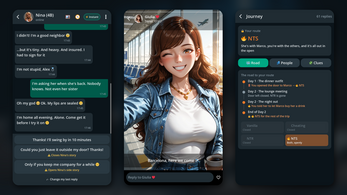
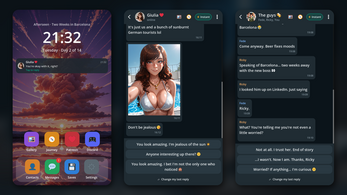
Afterseen: Two Weeks in Barcelona is a short, choice-driven narrative game presented through a simulated smartphone interface where messages, photos and status updates are the primary way the story unfolds. The app recreates a compact, modern conversation feed so you experience events from afar while Giulia spends two weeks in Barcelona; your replies steer how close she stays to you, who she confides in, and which narrative threads become available. The introduction is intentionally focused: v0.1 covers Days 1–2 and is designed for sessions of roughly 35–40 minutes per playthrough, making it simple to experiment with different choices between sessions.
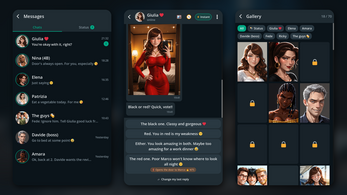
The experience in Afterseen: Two Weeks in Barcelona emphasizes branching dialogue and reactive character behavior rather than traditional puzzles. The interface includes chat threads, group conversations, photo attachments, animated clips and short status updates that together build context and relationships. Player input is limited to choosing replies, using a special '?' response to press for more detail or challenge a statement, and reviewing material saved to the Journey log or gallery. The current build lists four branching routes — labeled Vanilla, Cheating, NTR and NTS — and decisions you make during these early days determine which route locks in and which scenes remain accessible.
Gameplay centers on reading simulated messages and selecting responses that influence character trust, emotional distance and information flow. The special '?' mechanic lets you flag messages for follow-up or attempt to catch inconsistencies; opting to question replies changes how much Giulia shares and can reroute subsequent conversations. Multimedia elements are woven into the threads: v0.1 includes 44 photos, five short animated clips and 13 status updates that act as context clues. The Journey log records key moments so you can monitor progression and compare different approaches across multiple playthroughs.
Controls are intentionally minimal and familiar: tap or click choices to reply, open attachments and navigate the interface, with optional save and load through up to 20 save slots. Progression is episode-based, organized by in-game days; the initial release covers the first two days to showcase core systems and branching logic. As you replay, certain choices permanently lock or unlock narrative branches, which makes early decisions meaningful and encourages deliberate exploration of alternative responses in subsequent runs.
The presentation imitates a modern messaging app rather than using full-screen character portraits or cinematic scenes. That restrained visual style focuses attention on text, timestamps and small multimedia items so emotions and subtext emerge through conversation timing and attachments. Level structure follows a day-by-day rhythm: each day is a series of threaded interactions and short events rather than open exploration, which creates a clear pacing suited to short sessions while still supporting layered outcomes across routes.
Customization is practical rather than cosmetic: you control pacing by saving at key moments, browsing the gallery to revisit images and checking the Journey log for prior choices. The 20 save slots allow multiple branches to be explored without overwriting earlier experiments. The interface design targets readability and quick comprehension, with clear message grouping and accessible multimedia previews to reduce fatigue during repeated playthroughs.
The standalone release is suitable for offline play once installed, while the browser build requires an internet connection to run. Text is presented in a legible format and sessions are deliberately short to support players who prefer brief, repeatable experiences. The principal challenge comes from managing limited information, interpreting hints in photos and statuses, and deciding when to press with the '?' option—these decision-driven tensions replace traditional difficulty levels and reward careful reading and replaying.
Replayability is central: multiple routes and branching outcomes invite multiple replays to uncover different character beats, secrets and endings. Early-access distribution allows players to test the systems for Days 1–2 and provide feedback that shapes later content. Expect future updates to expand day coverage and add further multimedia content while preserving the message-driven, intimate tone of the experience.
Afterseen: Two Weeks in Barcelona was created by indie studio Hushware, a small team focused on narrative experiments and iterative releases. The developer maintains community feedback channels and plans staged updates based on player response, emphasizing polished dialogue, tighter branching logic and additional assets in future builds.
Cum in Out
Size:99.19M Casual2jbet Game
Size:12.94M CasualAlabell
Size:2016.37M CasualTrick or Ahri
Size:93.31M CasualRed snow
Size:216.55M CasualSumod.beta
Size:5.08M CasualTwo Weeks On
Size:123.18M CasualTightfault Revamp Edit
Size:1.14M CasualXSerum
Size:950.87M CasualDouble Homework - Remaster
Size:1310.88M CasualDevious Work : Demo
Size:92.25M CasualKnödel TD
Size:74.40M CasualApril 2024 Clash of Clans Update: Unveiling a Fresh Companion, Enhanced Levels, Chat Tagging, and Be
2024-04-16Arrival of Genshin Impact 4.6 Update: 'Embers of Two Realms, Twilight of Crimson'
2024-04-16V2.2 of the Farlight 84 update introduces an overhauled Season structure, fresh in-game currency, an
2024-04-16Monster Never Cry is now accessible on both Android and iOS mobile devices.
2024-04-18PUBG Mobile Teams Up with Bentley Motors: Luxury Cars, Exclusive Collectibles, and Beyond
2024-04-18March 2024 Free Redemption Codes for Honkai: Star Rail
2024-04-18