English
Let the Nightshine In invites players into a compact, character-driven narrative where you control a young man wrestling with jealousy, trust, and desire after a vivid, ambiguous dream about his partner Ariana; Let the Nightshine In emphasizes player choice and emotional consequence in every scene. The opening moments drop you into a tense domestic atmosphere and quickly introduce branching dialogue, moral dilemmas, and relationship states that will guide how the story unfolds. The game is written around intimate encounters and conversational beats rather than action mechanics, so each decision carries weight and can unlock very different outcomes as you probe motives, confess doubts, or walk away.
Gameplay in Let the Nightshine In centers on dialogue-driven decision making and scene selection. Conversations play out through readable character text and portrait reactions while you choose responses that influence trust, attraction, and resentment variables tracked by the underlying narrative system. Interactions commonly present trade-offs between honesty and concealment, confrontation and retreat, or curiosity and restraint. Key scenes contain branching nodes where a single choice can redirect the story into a new sequence of encounters, and certain options become available only after prior decisions, encouraging thoughtful progression rather than trial-and-error button-mashing.
Controls are simple and touchscreen-friendly: tap to advance text, tap an on-screen response to commit to a choice, and use an accessible menu to save or load chapters. The progression model is chapter-based, with checkpoints that let you return to specific moments and explore alternate paths without replaying the entire game. Your decisions modify persistent flags that determine which branches open; over time those flags reveal new locations, secrets in conversations, and multiple endings. A lightweight save system supports both autosave at key milestones and manual saves so you can experiment with different approaches to pivotal moments.
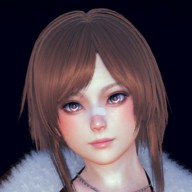
The visual presentation leans on moody, atmospheric artwork and close-up character portraits to convey emotional nuance. Lighting, color palettes, and subtle animation emphasize memory-like sequences and the dream that drives the central conflict. Ambient music and restrained sound design support the tone without overpowering dialogue, and an in-game audio slider lets you balance voice or music levels against reading speed. The overall art direction favors realism with a slightly stylized edge to keep the focus on expressions and interpersonal tension.
Rather than traditional levels, Let the Nightshine In is organized into scenes and chapters that function like episodes in a short novel. Each chapter presents multiple choice points and occasionally timed decisions for players who want increased challenge; alternative choices open exclusive scenes or reveal character backstory. Replay value comes from the branching structure and the way relationship variables lock or unlock later content; returning players will find new dialogue options and endings available based on earlier choices, making multiple playthroughs rewarding for those who want to explore the full narrative scope.
The game offers modest customization to improve comfort and accessibility: adjustable text size, color-contrast options, and controls for text speed to suit different reading preferences. Subtitles and clear visual indicators accompany key decision points so the story remains readable for a broad audience. Let the Nightshine In is fully playable offline after installation, allowing uninterrupted single-player play without an internet connection. These accessibility choices are designed to help players focus on character interactions and story pacing rather than on mastering complex interfaces.
Challenge in Let the Nightshine In is psychological and narrative rather than mechanical. Time-limited choices are optional and heighten tension for players who prefer immediate decisions, while the standard mode gives unlimited time to reflect. Consequence tracking and variable-driven outcomes create emergent drama as small choices accumulate into meaningful differences in later scenes. The pacing is deliberate: some players will appreciate the slow-burn tension and moral ambiguity, while others may find the focus on intimate conversation more engaging than traditional gameplay loops.
Let the Nightshine In excels at focused storytelling, offering layered character interactions and choices that matter, which results in strong replayability for narrative-focused players. The compact cast and limited setting support a tight emotional atmosphere, though those who prefer expansive worlds or action-oriented systems may find the experience narrow. The ambiguous dream and morally gray endings are intentional design choices that may frustrate players seeking clear-cut resolutions, but they also encourage reflection and multiple playthroughs to uncover different perspectives.


Cum in Out
Size:99.19M Casual2jbet Game
Size:12.94M CasualAlabell
Size:2016.37M CasualTrick or Ahri
Size:93.31M CasualRed snow
Size:216.55M CasualSumod.beta
Size:5.08M CasualTwo Weeks On
Size:123.18M CasualTightfault Revamp Edit
Size:1.14M CasualXSerum
Size:950.87M CasualDouble Homework - Remaster
Size:1310.88M CasualDevious Work : Demo
Size:92.25M CasualKnödel TD
Size:74.40M CasualApril 2024 Clash of Clans Update: Unveiling a Fresh Companion, Enhanced Levels, Chat Tagging, and Be
2024-04-16Arrival of Genshin Impact 4.6 Update: 'Embers of Two Realms, Twilight of Crimson'
2024-04-16V2.2 of the Farlight 84 update introduces an overhauled Season structure, fresh in-game currency, an
2024-04-16Monster Never Cry is now accessible on both Android and iOS mobile devices.
2024-04-18PUBG Mobile Teams Up with Bentley Motors: Luxury Cars, Exclusive Collectibles, and Beyond
2024-04-18March 2024 Free Redemption Codes for Honkai: Star Rail
2024-04-18