English
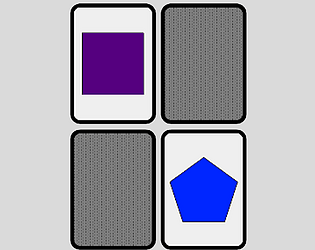
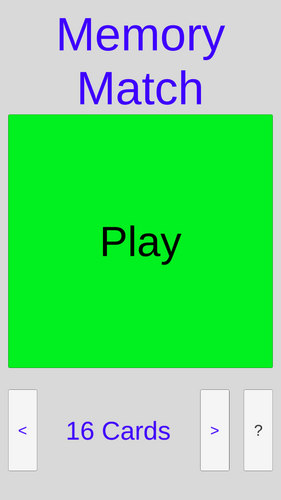
Memory Match is a free, simple card matching game that challenges players to find matching pairs across a shuffled grid. Memory Match is designed for quick bursts of play or slightly longer sessions: choose between 8 and 24 cards to scale the difficulty and length of each round. The rules are straightforward so new players can start immediately, and repeated rounds focus attention, observation and short-term recall rather than complex mechanics.
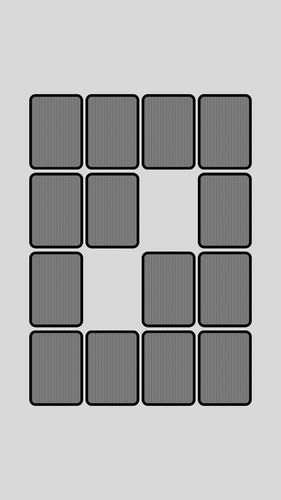
Memory Match provides a clean, focused matching experience without confusing menus or layered progression systems. Each round begins with a randomized layout of paired images concealed on cards, and the goal is simply to uncover matching pairs using memory and intuition. The adjustable card count is the primary way to change difficulty: smaller grids emphasize speed and pattern recognition, while larger grids increase the memory load and make rounds more mentally demanding. Because the app keeps rounds short and self-contained, it fits well into a busy routine or a relaxed practice session.
Gameplay centers on repeated rounds that are independent of one another: there are no persistent stamina systems or mandatory timers that prevent replay. Each round is generated by shuffling the chosen number of paired cards into a grid, so no two sessions play out exactly the same. Players progress informally by increasing the number of cards they choose or by attempting to finish rounds with fewer mistakes. The level structure is therefore flexible and player-directed: pick a grid size, play several rounds, then raise the challenge when you feel ready.
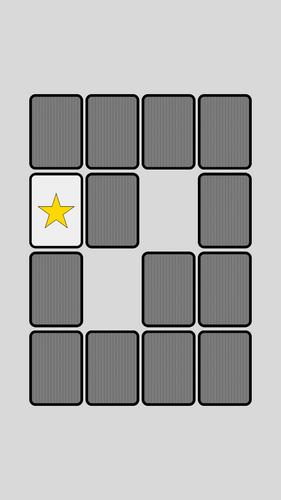
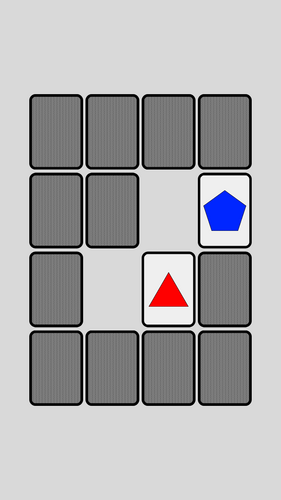
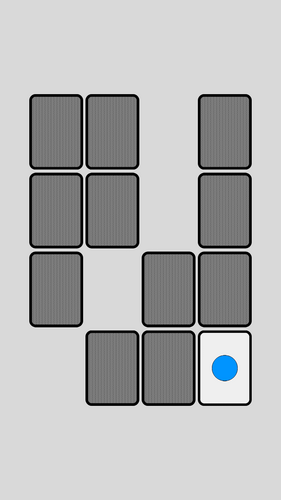
Controls are intentionally simple to keep the focus on the cognitive task. Tap a card to flip it and reveal the symbol beneath; tapping a second card reveals another symbol and either completes a pair or returns both cards to their hidden state after a brief reveal. This tap-to-flip model works well on phones and tablets and minimizes accidental inputs. Animations are unobtrusive so that each interaction feels responsive without distracting from the matching challenge.
Rather than a formal level tree, progression in Memory Match is driven by player choice and personal improvement. The main lever for challenge is the number of cards used per round. Players can set modest goals like completing a certain number of rounds at a target grid size, or they can time themselves informally to measure reaction and recall speed. Because every round is shuffled anew, the game encourages repeated practice and gradual improvement through familiarity with the mechanics and by sharpening short-term memory strategies.
The app favors a minimalist and readable visual style that emphasizes clear symbols and high-contrast card faces. Card backs and icons are designed to be easy to distinguish so visual clutter does not interfere with memory testing. While the core experience centers on matching mechanics, the interface offers straightforward visual cues to indicate matched pairs and cleared spaces in the grid. The result is a calm, distraction-free aesthetic that keeps attention on the task at hand.
Memory Match aims for broad accessibility by keeping interactions low-friction and by supporting flexible session lengths. The simple controls and uncluttered layout make it approachable for users of different ages and device sizes. Short rounds reduce the need for long, continuous concentration, and the ability to choose card counts allows users to tailor the cognitive load. Because the rules are familiar and clearly communicated at first use, the learning curve is shallow and the onboarding experience is fast.
Designed as a lightweight single-player puzzle, Memory Match works without an internet connection and is suitable for play on the go. Replay value comes from the randomness of shuffled layouts and the variable grid sizes that let you incrementally increase difficulty. To get the most from the app, try alternating small and large grids, focus on visual grouping strategies, and repeat shuffled rounds to measure personal improvements in accuracy and speed. Memory Match is a useful tool for short cognitive warm-ups, focused practice sessions, or casual entertainment between tasks.
Cum in Out
Size:99.19M Casual2jbet Game
Size:12.94M CasualAlabell
Size:2016.37M CasualTrick or Ahri
Size:93.31M CasualRed snow
Size:216.55M CasualSumod.beta
Size:5.08M CasualTwo Weeks On
Size:123.18M CasualTightfault Revamp Edit
Size:1.14M CasualXSerum
Size:950.87M CasualDouble Homework - Remaster
Size:1310.88M CasualDevious Work : Demo
Size:92.25M CasualKnödel TD
Size:74.40M CasualApril 2024 Clash of Clans Update: Unveiling a Fresh Companion, Enhanced Levels, Chat Tagging, and Be
2024-04-16Arrival of Genshin Impact 4.6 Update: 'Embers of Two Realms, Twilight of Crimson'
2024-04-16V2.2 of the Farlight 84 update introduces an overhauled Season structure, fresh in-game currency, an
2024-04-16Monster Never Cry is now accessible on both Android and iOS mobile devices.
2024-04-18PUBG Mobile Teams Up with Bentley Motors: Luxury Cars, Exclusive Collectibles, and Beyond
2024-04-18March 2024 Free Redemption Codes for Honkai: Star Rail
2024-04-18