English
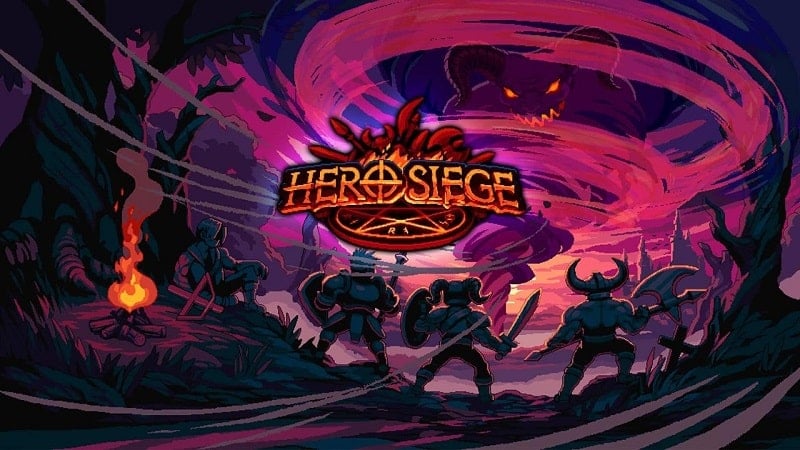
Hero Siege: Pocket Edition brings fast-paced roguelike action to mobile devices, combining procedurally generated dungeons with a layered progression system that suits both short bursts and longer play sessions. In each run you move through randomized rooms, face varied enemy encounters, collect equipment and consumables, and adapt builds on the fly, so every attempt feels distinct while contributing to longer-term growth.
The game centers on a satisfying run loop: enter a random map, clear encounters, pick up loot, and reach end-level challenges. Procedural generation mixes room layouts, trap placement, and environmental hazards so players must continually improvise. Runs reward frequent small gains—gold, experience, and temporary boosts—that keep momentum, while persistent upgrades tied to your profile gradually expand available strategies and smooth difficulty progression.
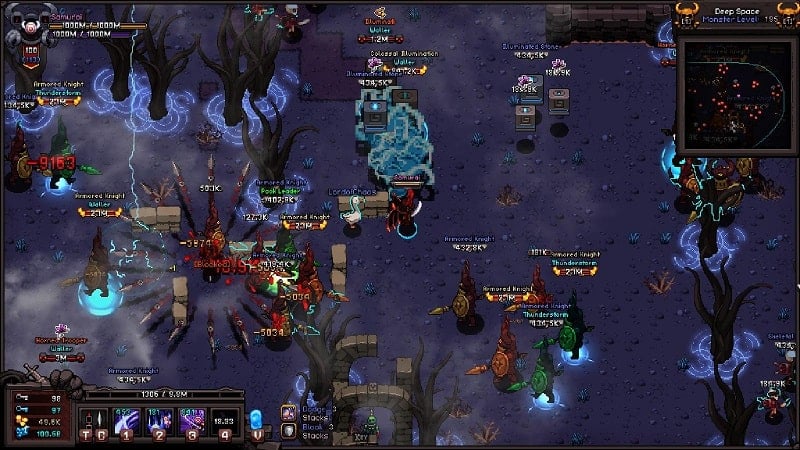
Combat emphasizes readable, arcade-style action with several interacting systems. Basic attacks combine with active skills and passive traits to create impactful combos; crowd control, area effects, and positioning alter how fights play out. Resource rules such as mana pools and cooldowns introduce tactical choices: conserve resources for a boss window or spend them to clear an elite room quickly. Item-skill interactions often produce emergent synergies that reward experimentation without overwhelming new players.
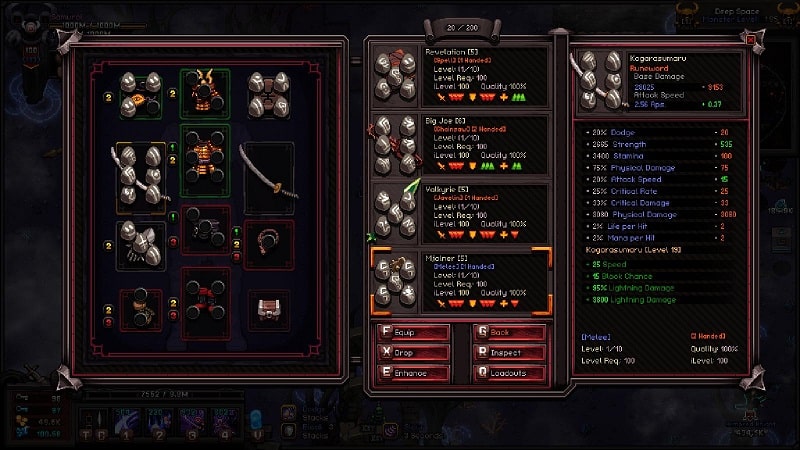
Hero classes offer distinct roles—ranged damage, tank, and spellcaster archetypes among them—each with its own skill tree and loadout options. Short-term modifiers from a run coexist with long-term progression that unlocks new abilities and passive bonuses. Equipment slots, relics, and accessory synergies enable meaningful customization: choosing gear that complements a selected skillset often opens new tactical approaches and encourages revisiting classes with different builds. Hero Siege: Pocket Edition balances depth with clarity so customization feels impactful rather than intimidating.
Controls are tuned for touchscreens with virtual sticks and tap-to-move alternatives, plus sensitivity options to match different playstyles. The interface prioritizes legibility—clear skill icons, straightforward cooldown indicators, and responsive feedback help players make split-second decisions during hectic encounters. Pixel-art visuals remain readable in crowded scenes, and performance optimizations keep frame rates stable on a broad range of mid-range devices, minimizing load times and battery strain for longer sessions.
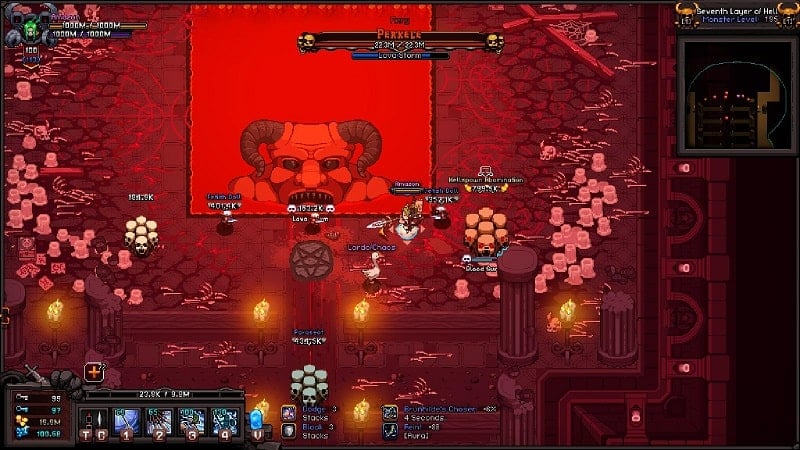
Dungeon architecture links rooms through corridors and special chambers that may contain elites or boss encounters. Environmental elements such as traps, teleporters, and destructible objects change tactical choices and can be used strategically to turn fights around. Bosses and elite foes scale in behavior and complexity as you advance, testing both mechanical skill and how well your item synergies perform. The design balances randomized risk with consistent reward so late-game runs retain tension without becoming punishingly repetitive.
Loot is central to run-to-run variety: weapons, armor, rings, and relics grant stat increases and unique modifiers that shape each attempt. Item rarity and modifier variety encourage trying new combinations, and complementary effects can transform ordinary gear into powerful sets. Frequent drops and visible progression ensure players feel steady advancement while still discovering surprising synergies that redefine a build mid-run.
Cooperative sessions change pacing and decision-making by opening team synergies such as combining crowd control with focused burst damage or sharing revives to sustain momentum. Playing with others encourages communication and coordinated builds without forcing a specific playstyle; whether you join a friend or focus on solo runs, the game supports varied approaches to the same core challenges and tactical depth.
High replay value comes from many classes, randomized levels, and diverse items: runs rarely feel identical and discovering a new build loop provides ongoing motivation. The user experience emphasizes short, satisfying sessions that are easy to pause and resume, making the game suitable for commutes as well as longer dedicated play. Menus and in-run indicators are designed for clarity so new players can focus on tactical decisions rather than navigation hassles.
Newcomers should begin with a straightforward class to learn core mechanics, then branch out as they grow comfortable with skill synergies and item interactions. Prioritize survivability and resource management early—these investments pay dividends in later stages—while spending on permanent upgrades that align with your preferred playstyle. With its blend of instant accessibility and long-term depth, Hero Siege: Pocket Edition rewards both quick experimentation and careful planning, offering a mobile roguelike experience that remains fresh across many runs.
Zombie War: Idle Defense
Size:263.12M RPGStickman GO
Size:438.01M RPGATHENA:Blood Twins
Size:1330.94M RPGBlack Clover M
Size:21.00M RPGBunny Wars: Idle RPG
Size:149.94M RPGHow We Show Love
Size:87.00M RPGFishing Life: Love & Fortune
Size:139.00M RPGLiora’s Price of Dignity
Size:368.00M RPGMy Pet Witch
Size:125.50M RPGFemdom City M.A.N.T.I.S. Complete Story Edition
Size:658.60M RPGDoraporn: Family Debt
Size:125.50M RPGZero to Harem Hero: A Hentai Isekai Adventure
Size:1053.00M RPGApril 2024 Clash of Clans Update: Unveiling a Fresh Companion, Enhanced Levels, Chat Tagging, and Be
2024-04-16Arrival of Genshin Impact 4.6 Update: 'Embers of Two Realms, Twilight of Crimson'
2024-04-16V2.2 of the Farlight 84 update introduces an overhauled Season structure, fresh in-game currency, an
2024-04-16Monster Never Cry is now accessible on both Android and iOS mobile devices.
2024-04-18PUBG Mobile Teams Up with Bentley Motors: Luxury Cars, Exclusive Collectibles, and Beyond
2024-04-18March 2024 Free Redemption Codes for Honkai: Star Rail
2024-04-18