English
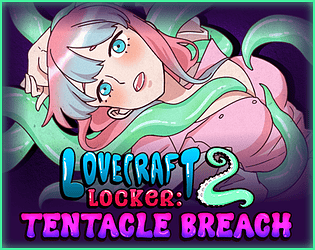
Lovecraft Locker 2: Tentacle Breach places you in charge of a compromised containment facility where methodical planning must contend with sudden, uncanny threats. In the opening minutes Lovecraft Locker 2: Tentacle Breach guides you through basic containment grid operation and simple repairs so you can focus on the layered decision-making that follows: triage crew, reroute power, and decide when to isolate or salvage sections of the complex.
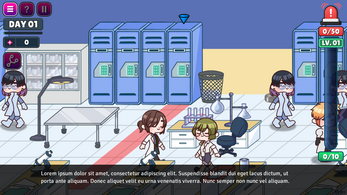
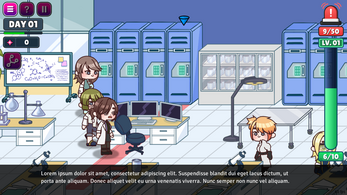
The core loop blends puzzle-solving, resource management and tactical triage. You manage a containment grid that tracks cell integrity and access, patch breaches, stabilize power loops and prioritize repairs while monitoring crew stress. Each run is a sequence of linked problems where choosing to secure one corridor may expose another; the game rewards careful observation and measured responses rather than fast reflexes.
Several interacting systems shape every decision. An insanity meter affects NPC reliability and alters environmental behavior, so crew efficiency can fluctuate over a session. A crafting panel lets you combine scavenged parts into defensive items or utility tools. Systems are consistent enough to be learned, but random events and emergent interactions keep long-term strategy meaningful and occasionally risky.
Levels mix narrow maintenance passages with larger chambered areas where major incursions occur. Designers use layout to encourage chokepoints and creative rerouting: flooded shafts block routes temporarily, radiation leaks force sector lockdowns and poorly lit tunnels conceal weak containment seams. These spatial challenges require adapting standard procedures to the unique constraints of each run.
Hostile entities range from subtle corruptors that disrupt crew actions to persistent tentacle nodes that spawn local threats. Enemy behavior is tied to the environmental state and the insanity system, so the same foe can be more or less dangerous depending on lighting, power availability and crew condition. Difficulty tiers adjust encounter frequency and resource scarcity to suit both newcomers and experienced players.
Progression balances immediate objectives with meta-progression that persists between runs. Completing key missions unlocks schematics and permanent facility upgrades, while tokens or similar resources enhance traits like repair speed, seal strength or crew resilience. These persistent upgrades make previously untenable strategies viable and encourage experimentation with different approaches to map layouts and loadouts.
Players can tailor their approach through modular equipment and facility investments. Choose tools such as grappling hooks for navigating tight spaces, noise emitters to distract minor threats or surgical kits to reduce panic during repairs. Facility investments—automated turrets, reinforced bulkheads and experimental dampeners—alter how rooms behave and open tactical options without turning the experience into an action shooter.
The presentation favors mood and clarity over spectacle: muted palettes, grainy lighting and restrained camera choices build a steady sense of unease while keeping important details readable. Audio cues are both atmospheric and functional—subtle drones, distant impacts and static-filled radio chatter indicate breaches or nearby dangers so sound design supports player decision-making as well as tone.
Controls are optimized for touch devices with context-sensitive taps and a radial equipment menu for quick selection. Performance options let you prioritize stability or visual detail depending on device capability, and UI scaling with adjustable contrast improves readability. Accessibility features include simplified interaction modes, alternative audio prompts and color adjustments to accommodate different play styles and needs.
Replayability comes from procedural elements, branching objectives and emergent system interactions that make each run feel distinct. The core experience is designed for offline play with optional cooperative scenarios provided as social variants rather than required online features. New players are encouraged to focus on the containment grid, basic power management and repair priorities while learning which risks are worth taking on each map.
Lovecraft Locker 2: Tentacle Breach will appeal to players who prefer deliberate resource management, emergent systems and atmospheric tension over nonstop action. If you enjoy planning under uncertainty, uncovering narrative fragments through investigation and solving layered tactical puzzles while balancing limited resources, this title offers substantial depth and a steady learning curve without relying on flashy combat.

Cum in Out
Size:99.19M Casual2jbet Game
Size:12.94M CasualAlabell
Size:2016.37M CasualTrick or Ahri
Size:93.31M CasualRed snow
Size:216.55M CasualSumod.beta
Size:5.08M CasualTwo Weeks On
Size:123.18M CasualTightfault Revamp Edit
Size:1.14M CasualXSerum
Size:950.87M CasualDouble Homework - Remaster
Size:1310.88M CasualDevious Work : Demo
Size:92.25M CasualKnödel TD
Size:74.40M CasualApril 2024 Clash of Clans Update: Unveiling a Fresh Companion, Enhanced Levels, Chat Tagging, and Be
2024-04-16Arrival of Genshin Impact 4.6 Update: 'Embers of Two Realms, Twilight of Crimson'
2024-04-16V2.2 of the Farlight 84 update introduces an overhauled Season structure, fresh in-game currency, an
2024-04-16Monster Never Cry is now accessible on both Android and iOS mobile devices.
2024-04-18PUBG Mobile Teams Up with Bentley Motors: Luxury Cars, Exclusive Collectibles, and Beyond
2024-04-18March 2024 Free Redemption Codes for Honkai: Star Rail
2024-04-18