English
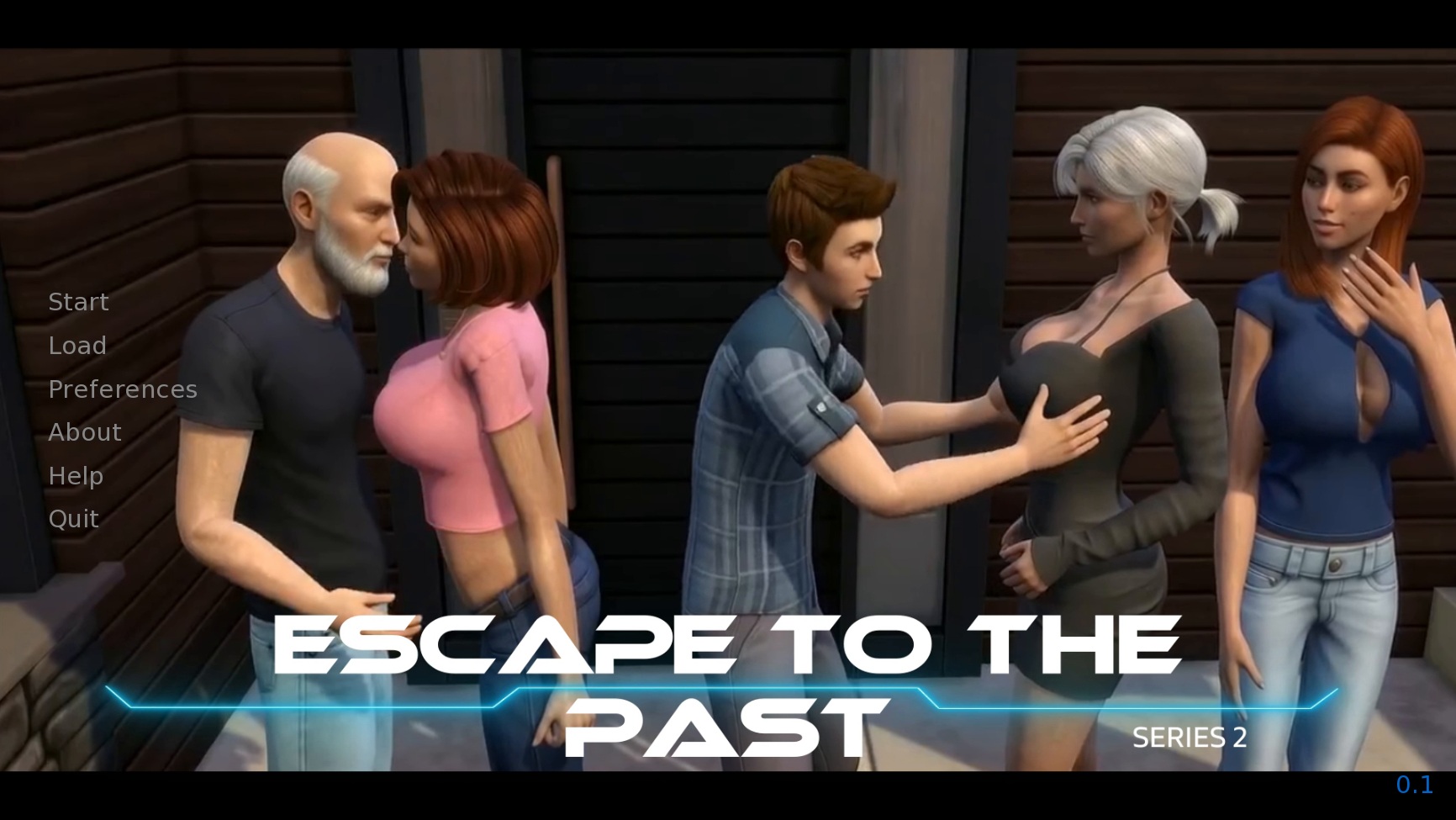
Escape to the Past places you in a grounded, character-driven time-travel adventure where choices shape a compact but emotionally resonant story. In Escape to the Past you step through a portal into 2022 with a clear set of personal goals: find a home, secure a job, and face an unexpected encounter with your past self. The opening sequences set the tone quickly and the first fifty words introduce the premise, so players understand that Escape to the Past is focused on narrative weight, contemporary decisions, and meaningful consequences rather than spectacle.
The game is built around branching narrative scenes that respond to player decisions. Dialogues present contextual choices that alter relationships, job prospects, and living arrangements; later chapters react to earlier choices to produce multiple narrative pathways and several distinct endings. Rather than relying on combat or arcade mechanics, the primary systems are decision branches, timed opportunities, and situational problem solving tied to everyday concerns. Encounters with your past self are written to explore cause-and-effect in a personal way, and those meetings can unlock new options or close off certain paths depending on how you handle them.
Gameplay centers on exploration of scenes, conversation trees, and simple interactive tasks. Controls are optimized for touch: tap to advance dialogue, tap choices to select responses, swipe to move between locations in a neighborhood map, and long-press contextual objects for more information. Menus allow you to review key story threads, view a timeline of major decisions, and revisit unlocked scenes. Occasional mini-interactions — such as preparing for a job interview, filling out an application, or inspecting a potential apartment — are intentionally simple and narrative-focused to keep the experience accessible on mobile devices.
Progression relies on managing a mix of time-sensitive opportunities and resource decisions that affect your options. Securing employment often requires meeting qualifications, networking through dialogue options, and allocating limited time to applications or interviews. Finding housing can involve budget considerations, quick inspections, and negotiating choices that influence your living situation later in the story. Challenge systems in Escape to the Past emphasize consequences rather than failure states: missed chances may close a branch but open others, encouraging careful thought about priorities. The chapter-based structure keeps pacing focused, with clear checkpoints and an autosave system so you can experiment without losing progress.
The visual presentation leans toward a contemporary, relatable aesthetic that highlights the year 2022 setting. Scenes use character-focused artwork and environments designed to emphasize mood and practical details — apartments that feel lived-in, offices with subtle cues about workplace culture, and streets that reflect a recent past. Level structure is organized into a sequence of chapters or episodes that correspond to major story beats, each containing scenes that can be revisited if you explore alternate options after unlocking them. Lighting, sound cues, and UI affordances are used to clarify important decisions and draw attention to the elements that matter in each scene.
Character options let you shape your player’s background and some personal details that influence dialogue and perception by other characters. Minor customization choices such as name, basic appearance options, and decorating an apartment create a stronger sense of ownership without turning the experience into a deep simulation. Replay value comes from multiple branching outcomes, optional side scenes that reveal background context, and variable endings tied to how you balance housing, employment, and encounters with your past self. Players who enjoy exploring narrative permutations will find new emotional and plot nuances on subsequent playthroughs.
Escape to the Past includes accessibility features to broaden play options: adjustable text size, subtitles for all dialogue, high-contrast mode, and simplified input options to reduce reliance on precise timing. The UI is designed for clarity, with a readable timeline, descriptive prompts, and highlights for actionable elements. The game is primarily a single-player experience and is fully playable offline after installation, allowing you to progress through chapters without a persistent network connection. Autosave and manual save slots make it easy to experiment with choices and return to preferred scenes.
Approach scenes with an eye for long-term consequences: small dialogue choices often influence job and housing options later. Use the timeline and journal features to track important decisions, and don’t be afraid to pursue side conversations that reveal character background or alternative opportunities. If you prefer a relaxed pace, enable simplified input and larger text; if you like challenge, try to complete certain time-sensitive tasks within available windows to access unique branches. Escape to the Past rewards attention to detail and invites multiple playthroughs to uncover its full narrative scope.










Cum in Out
Size:99.19M Casual2jbet Game
Size:12.94M CasualAlabell
Size:2016.37M CasualTrick or Ahri
Size:93.31M CasualRed snow
Size:216.55M CasualSumod.beta
Size:5.08M CasualTwo Weeks On
Size:123.18M CasualTightfault Revamp Edit
Size:1.14M CasualXSerum
Size:950.87M CasualDouble Homework - Remaster
Size:1310.88M CasualDevious Work : Demo
Size:92.25M CasualKnödel TD
Size:74.40M CasualApril 2024 Clash of Clans Update: Unveiling a Fresh Companion, Enhanced Levels, Chat Tagging, and Be
2024-04-16Arrival of Genshin Impact 4.6 Update: 'Embers of Two Realms, Twilight of Crimson'
2024-04-16V2.2 of the Farlight 84 update introduces an overhauled Season structure, fresh in-game currency, an
2024-04-16Monster Never Cry is now accessible on both Android and iOS mobile devices.
2024-04-18PUBG Mobile Teams Up with Bentley Motors: Luxury Cars, Exclusive Collectibles, and Beyond
2024-04-18March 2024 Free Redemption Codes for Honkai: Star Rail
2024-04-18