English
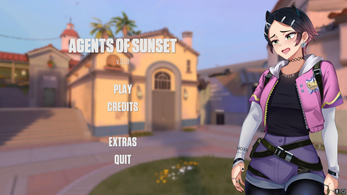
Agents of Sunset delivers a tactical multiplayer experience that balances short, intense matches with deeper strategic choices; in this editor overview you’ll find how squad composition, map control, and timed abilities work together to define each session in this twilight-themed action strategy game.
This title blends mission-based PvE content with competitive encounters where team coordination and role selection matter. Players can jump into co-op missions against raid-style bosses or face rival squads in objective-driven matches. The core loop favors quick sessions that still reward planning: rounds are long enough to set up combos and short enough to play several in a sitting.
Combat centers on tactical positioning, ability timing, and map knowledge. Each agent has a set of active abilities on cooldown plus a signature move that can swing engagements when used deliberately. Stealth and flanking are viable approaches alongside direct confrontation, and the presence of environmental hazards or timed doors forces teams to adapt mid-match. Encounters often require balancing risk and reward, such as pushing to secure an objective while managing ability cooldowns for the inevitable boss or enemy counterattack.
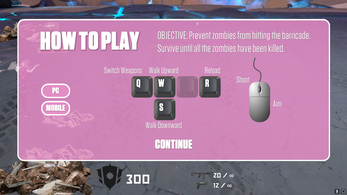
The control schemes cater to different play styles: touch-friendly virtual sticks for precise movement and aiming, and a tap-to-move option for players who prefer simpler input. The UI keeps essential information prominent—ability cooldowns, health and shield bars, objective timers, and a minimap with clear markers—so decisions are informed at a glance. A brief tutorial introduces basic controls and a practice mode against bots lets new players test movement, aiming, and ability timing before entering live matches.
Progression combines experience, gear upgrades, and ability trees. Agents gain levels that unlock new skills and passive perks; lightweight crafting allows weapon and gadget improvements using resources collected during missions. The game encourages experimenting with different agents to discover synergies and counters, and seasonal balance updates adjust challenge while keeping older content relevant. Challenge systems include escalating boss phases and mission modifiers that change enemy behavior or resource availability, adding replay incentives without introducing outside ranking systems.
Maps are built around a dusk aesthetic with varied footprints: tight alleyways reward close-quarters tactics whereas open industrial zones encourage long-range positioning and coordinated pushes. Objectives range from point captures to payload escorts and boss hunts with environmental mechanics like shifting cover or timed doors. Level structure mixes static choke points with dynamic elements so familiar routes can feel fresh, and match pacing generally trends brisk—design choices aim to prevent drawn-out stalemates while allowing strategic depth.
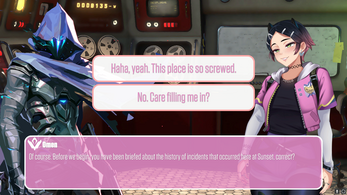
Each agent has a distinct role—recon, assault, support, or demolition—with a visual identity and a short narrative that hints at playstyle without overwhelming new players. Customization focuses on functional loadout changes and non-impactful cosmetics: weapon mods change handling and damage profiles while skins and emblems let players personalize appearance. In Agents of Sunset, role synergy is emphasized over individual power; for example, a support agent’s area heal paired with a recon’s scouting tools can open routes for demolition specialists to breach defenses.
The art direction favors a stylized dusk palette that uses contrast and silhouette to maintain readability during hectic battles. Audio mixes prioritize tactical cues—footsteps, ability prompts, and enemy calls are clear and purposeful—so sound becomes an extension of situational awareness. Performance settings allow players to choose between higher fidelity visuals or smoother frame rates, supporting a wide range of devices and play environments.
Replay value comes from rotating agent rosters, varied mission types, and seasonal content updates that introduce new challenges or balance changes. Matchmaking and cooperative modes promote social play, while practice modes and a gentle progression curve help new players ramp up. The interface and concise round length are designed to make the user experience approachable for casual sessions yet deep enough for coordinated team play.
Accessibility features include adjustable control sensitivity, visual clarity options to aid readability, and an input-friendly UI layout. While competitive matches are online by design, the practice mode against bots provides an offline-friendly space to learn agents and experiment with loadouts without pressure.
Overall, Agents of Sunset offers a layered tactical shooter experience that rewards teamwork and adaptability, with clear progression systems, customizable loadouts, and level design that supports both fast matches and strategic play.
Cum in Out
Size:99.19M Casual2jbet Game
Size:12.94M CasualAlabell
Size:2016.37M CasualTrick or Ahri
Size:93.31M CasualRed snow
Size:216.55M CasualSumod.beta
Size:5.08M CasualTwo Weeks On
Size:123.18M CasualTightfault Revamp Edit
Size:1.14M CasualXSerum
Size:950.87M CasualDouble Homework - Remaster
Size:1310.88M CasualDevious Work : Demo
Size:92.25M CasualKnödel TD
Size:74.40M CasualApril 2024 Clash of Clans Update: Unveiling a Fresh Companion, Enhanced Levels, Chat Tagging, and Be
2024-04-16Arrival of Genshin Impact 4.6 Update: 'Embers of Two Realms, Twilight of Crimson'
2024-04-16V2.2 of the Farlight 84 update introduces an overhauled Season structure, fresh in-game currency, an
2024-04-16Monster Never Cry is now accessible on both Android and iOS mobile devices.
2024-04-18PUBG Mobile Teams Up with Bentley Motors: Luxury Cars, Exclusive Collectibles, and Beyond
2024-04-18March 2024 Free Redemption Codes for Honkai: Star Rail
2024-04-18