English
One Piece: Wings of Lust is a compact, choice-driven single-player adventure that places the player in brief, character-led scenarios with mature themes and a suggestive visual tone. One Piece: Wings of Lust centers on a simple core decision: choose between two distinct, stylized character archetypes and experience how that choice shapes immediate story encounters and outcomes. The app is presented as an early build focused on short play sessions, strong character presentation, and direct consequences from player decisions rather than long-form systems.
The primary mechanic in One Piece: Wings of Lust is binary choice selection: each encounter presents two clear options that reflect different approaches to a scene and different character perspectives. Choices affect short-term outcomes and occasionally unlock small narrative branches, so every decision feels meaningful within the compact structure. The game emphasizes quick decision loops rather than complex resource management, making it approachable for players who prefer narrative-driven micro-sessions.
Controls are intentionally minimal to keep the focus on story beats and character moments. Interactions consist of straightforward taps to select an archetype or to choose a response during an encounter. Text and portrait-based feedback make the consequences of choices easy to follow, and the interface is optimized for one-handed play. The clean UI prioritizes legibility, and the control scheme is intentionally consistent across scenes to reduce the learning curve.
Progression in One Piece: Wings of Lust is episodic rather than linear: the game presents a sequence of short episodes that form a loose framework for repeated play. Completing encounters can reveal alternate lines of dialogue and small variations in subsequent scenes, encouraging replay to explore different paths. There is no complex leveling or long grind; the progression focus is on unlocking narrative variation and understanding how each archetype changes responses and scene outcomes.
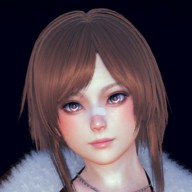
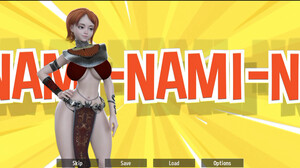
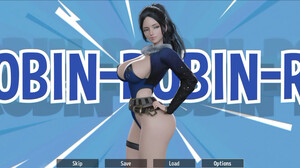
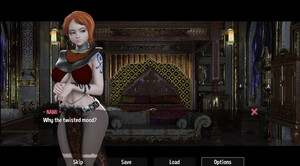
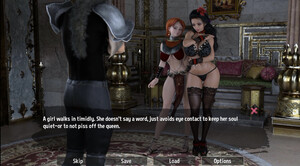
The art direction leans into stylized, fan-oriented visuals with strong character portraits and expressive poses that underscore the game’s tone without explicit content. Backgrounds are economical and focused, supporting short scenes rather than sprawling levels. Visual feedback and character expressions play a large role in communicating results of player choices, helping the player stay engaged with minimal reading or mechanical complexity.
While the early build keeps personalization simple, choices produce visible variations in how characters respond and how scenes conclude, which creates meaningful replay value. Players can quickly explore alternate outcomes by selecting the other archetype or choosing different dialogue responses. This structure encourages multiple short play sessions rather than a single extended campaign, and the branching possibilities provide incentive to revisit the same episode to see how different decisions play out.
One Piece: Wings of Lust prioritizes accessibility through straightforward navigation, readable text, and predictable pacing. The game is suitable for casual players who want short, consumable scenes, and the minimal control demands make it accessible to a broad audience. Options such as adjustable text size and a simplified UI are planned for future updates to improve readability and comfort for longer play sessions. The compact nature of the experience also makes it friendly for older devices.
The single-player design means One Piece: Wings of Lust can be enjoyed offline without persistent online connections. The small footprint and episodic format make it a good choice for quick plays during commutes or brief breaks. As an early 0.2 release, users should expect basic functionality and are encouraged to report bugs and suggestions; future updates will expand content and polish based on player feedback.
This release emphasizes immediacy and character moments over long-term systems. As a 0.2 build, the game has limited features and a narrow premise by design: it is intended to be a short-form experience that demonstrates the core choice mechanic and narrative framework. Players looking for deep progression systems or extensive customization may find this early version limited, but those interested in compact, character-focused encounters will appreciate its clarity and replayable branches. Version 0.2 introduces the central choice mechanic and establishes the initial episode set and branching responses; future updates will expand content, visual polish, and accessibility options based on community feedback.

Cum in Out
Size:99.19M Casual2jbet Game
Size:12.94M CasualAlabell
Size:2016.37M CasualTrick or Ahri
Size:93.31M CasualRed snow
Size:216.55M CasualSumod.beta
Size:5.08M CasualTwo Weeks On
Size:123.18M CasualTightfault Revamp Edit
Size:1.14M CasualXSerum
Size:950.87M CasualDouble Homework - Remaster
Size:1310.88M CasualDevious Work : Demo
Size:92.25M CasualKnödel TD
Size:74.40M CasualApril 2024 Clash of Clans Update: Unveiling a Fresh Companion, Enhanced Levels, Chat Tagging, and Be
2024-04-16Arrival of Genshin Impact 4.6 Update: 'Embers of Two Realms, Twilight of Crimson'
2024-04-16V2.2 of the Farlight 84 update introduces an overhauled Season structure, fresh in-game currency, an
2024-04-16Monster Never Cry is now accessible on both Android and iOS mobile devices.
2024-04-18PUBG Mobile Teams Up with Bentley Motors: Luxury Cars, Exclusive Collectibles, and Beyond
2024-04-18March 2024 Free Redemption Codes for Honkai: Star Rail
2024-04-18