English
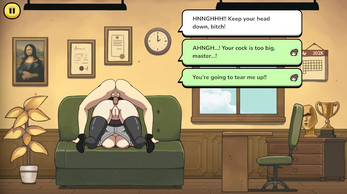
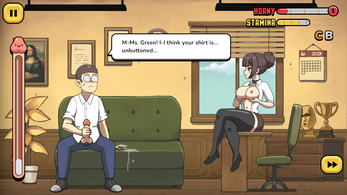
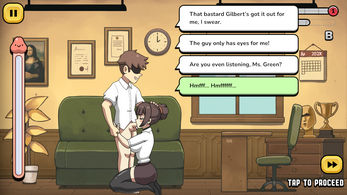
Problematic Subjects is a compact narrative-driven puzzle game that places you in detention at Ravenscroft College alongside Emily Green, where observation and short-term memory are the keys to advancing through fast-paced rounds. Problematic Subjects challenges players to identify and remember each student’s unique preferences, then match those patterns during successive encounters to unlock animated scenes and alternate outcomes. The game is designed for bite-sized sessions, so whether you have five minutes between tasks or want to explore every ending, Problematic Subjects offers clear objectives and quick feedback that reward careful attention and experimentation.
The game centers on pattern recognition and incremental unlocks: learn each character’s likes and dislikes, then use that memory to clear rounds and reveal new content. Rounds are deliberately compact to encourage replay — a typical match lasts only a few minutes but can branch into multiple endings depending on which choices you remember and in what order. As you progress you will open a gallery of more than thirty animated scenes along with additional postures and expressions for characters, all accessible from the in-game gallery so you can review content you have unlocked at any time.
Gameplay is simple and touch-friendly to suit phones and tablets. Each round presents a small cast of classmates with visual cues and audio hints; use taps and short swipes to select options and confirm your choices. Controls are deliberately low-friction: there are no complex gestures, and an optional hint system can be toggled to help new players focus on learning patterns before removing assistance. The interface emphasizes clarity so players can concentrate on memory and timing rather than mastering difficult input schemes.
Progression in Problematic Subjects is driven by unlocking scenes and branching endings. Clearing rounds with different degrees of accuracy opens alternate dialogues and animations, encouraging replay to see every outcome. The short length of individual rounds combined with multiple endings and a gallery review screen gives the title a natural loop for completionists and casual players alike. Performance is tracked locally, and repeated playthroughs gradually increase both difficulty and variety by introducing more subtle preferences and faster decision windows.
The game presents a stylized college setting with expressive character artwork and compact animated sequences that emphasize personality and timing rather than explicit material. Visual design favors clear silhouettes and readable expressions to support quick recognition during rounds. Audio complements the visuals with short voiced lines and cues from performers including CinderDryadVA and PleasedByViolet, adding character without detracting from gameplay focus. All animations are self-contained and viewable in the gallery for players who want to revisit unlocked scenes.
Problematic Subjects is playable offline after installation, making it convenient on the move or where internet access is limited. The game includes adjustable text size and the option to mute or reduce sound, and its simple input model supports one-handed play. The hint toggle and pacing settings help accommodate players who prefer a more relaxed memory challenge or who need slower timing to participate comfortably.
Difficulty scales through three main levers: the number of characters per round, the speed at which choices must be made, and the subtlety of the cues that indicate preferences. Early rounds introduce basic patterns, while later encounters layer multiple signals that must be combined to succeed. This layered approach rewards practice and makes progression feel meaningful without relying on artificial grinding.
The game’s short, focused rounds make it ideal for quick sessions and experimentation, and its memory-based mechanics scale naturally with player skill. Problematic Subjects offers a replayable structure with unlockables and alternate endings that extend playtime beyond the base experience, supported by a clear gallery for revisiting content you’ve earned. The audiovisual presentation and voiced lines add personality and make each character memorable.
The title contains mature themes and suggestive tones that make it inappropriate for younger audiences, and the relatively compact number of level locations means some players may desire additional long-term variety. The developer is responsive to feedback, however, and community support has historically guided content updates and new builds.
The small development team emphasizes responsiveness to player feedback and periodically releases updates funded in part by community support. Voice work by CinderDryadVA and PleasedByViolet is credited in-game, and the developer invites constructive suggestions to help prioritize future improvements and additional content. All progress is stored locally so you can play and experiment at your own pace without needing an online account.


Cum in Out
Size:99.19M Casual2jbet Game
Size:12.94M CasualAlabell
Size:2016.37M CasualTrick or Ahri
Size:93.31M CasualRed snow
Size:216.55M CasualSumod.beta
Size:5.08M CasualTwo Weeks On
Size:123.18M CasualTightfault Revamp Edit
Size:1.14M CasualXSerum
Size:950.87M CasualDouble Homework - Remaster
Size:1310.88M CasualDevious Work : Demo
Size:92.25M CasualKnödel TD
Size:74.40M CasualApril 2024 Clash of Clans Update: Unveiling a Fresh Companion, Enhanced Levels, Chat Tagging, and Be
2024-04-16Arrival of Genshin Impact 4.6 Update: 'Embers of Two Realms, Twilight of Crimson'
2024-04-16V2.2 of the Farlight 84 update introduces an overhauled Season structure, fresh in-game currency, an
2024-04-16Monster Never Cry is now accessible on both Android and iOS mobile devices.
2024-04-18PUBG Mobile Teams Up with Bentley Motors: Luxury Cars, Exclusive Collectibles, and Beyond
2024-04-18March 2024 Free Redemption Codes for Honkai: Star Rail
2024-04-18