English
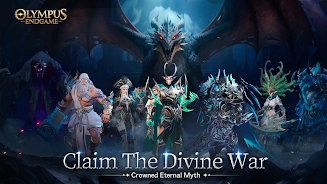
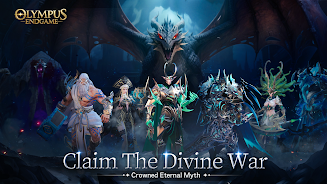
Olympus: Endgame is a 2025 idle RPG that blends hands-off progression with moments of real-time competitive combat, offering multiple entry points for casual and dedicated players alike. In Olympus: Endgame you recruit and evolve a roster of heroes drawn from mythic and divine archetypes, then test those teams across PvP wars, cooperative boss fights, and a variety of single-player challenges. The design balances automated progression with strategic decision-making so you can make meaningful choices about team composition without needing constant attention.
The core gameplay alternates between idle growth and active skirmishes. While offline or AFK, heroes continue to gather experience, resources, and basic loot that feed into long-term character development. When you take control, combat switches into a real-time layer where skill timing, formation placement, and target selection influence outcomes. Battles are relatively short but tuned to reward planning: the same roster can behave very differently when you tweak equipment, synergies, or target priorities.
Controls are straightforward: tap to activate abilities, use a few contextual buttons for summons and ultimate skills, and rely on an auto-battle mode when you want a more relaxed session. Accessibility options include adjustable battle speed and simplified automation so new players or those with limited time can still progress. These control choices make the experience approachable for mobile play and help accommodate different stamina and dexterity levels.
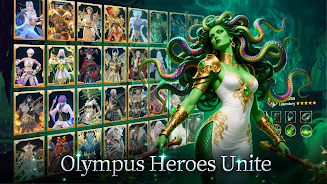
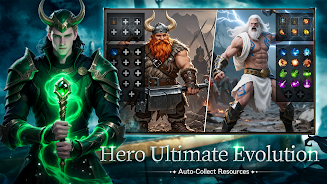
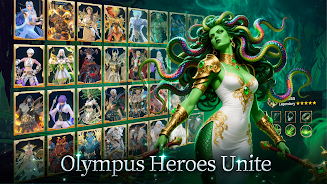
Progression centers on hero collection, evolution, and gear improvements. A limited-time 1,000 free summons promotion gives new players a head start in experimenting with team synergies without locking progression behind paywalls. Advancement follows predictable but deep systems: levels unlock new abilities, evolution tiers change hero roles, and equipment upgrades shift power curves. The game emphasizes long-term investment over one-shot power spikes, so consistent play or smart idle management yields steady returns.
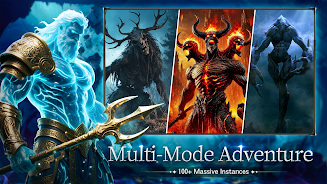
The presentation leans into grand, myth-inspired visuals with detailed hero portraits, stylized arenas, and dramatic boss designs that convey a sense of scale. Levels are organized into themed realms—divine realms, endless trials, and special event maps—that each introduce unique modifiers and environmental challenges. This structure gives a clear sense of progression: early realms teach mechanics, while later ones combine modifiers and tougher enemy patterns to test your strategies.
Customization focuses on team composition rather than overwhelming superficial options. You can evolve heroes into stronger forms that unlock new skills and passive synergies, and you can tune equipment and ability priorities to fit a chosen role. The game encourages experimentation: swapping a single hero or adjusting one relic can alter the rhythm of fights and open new tactical avenues. Cosmetic variants exist for players who enjoy personalization, but they remain optional and non-intrusive.
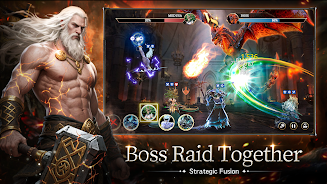
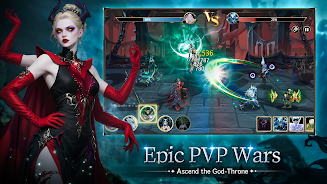
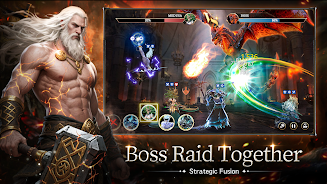
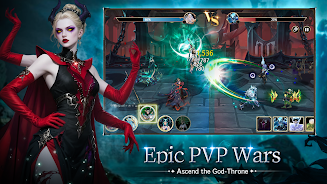
Olympus: Endgame supports both competitive and cooperative interactions that are woven into progression. Real-time PvP wars match you against other players’ teams in contests that emphasize composition and timing rather than twitch skill alone. Cooperative boss encounters require coordination with allies to bring down large foes for shared rewards; these boss fights scale in difficulty, encouraging clans and groups to prepare complementary builds. Matchmaking aims to pair comparable rosters to keep confrontations fair and engaging.
Replay value comes from layered challenges: daily missions, timed events, endless trials with escalating difficulty, and rotating modifiers that change how certain heroes perform. Bosses have distinct phases and mechanics that reward learning and team adaptation, while the idle progression loop ensures there is always incremental progress between active sessions. Seasonal events and limited-time content give recurring reasons to revisit the game and refine builds.
The user interface prioritizes clarity, with in-battle indicators for cooldowns and damage types, straightforward inventory management, and pop-up tips that explain new systems as you encounter them. Idle gains are granted while offline so casual users can return to meaningful progress, and the game provides clear guidance for new players through tutorials that scale off once you understand the basics. Performance is optimized for typical Android devices to keep battery impact and load times reasonable.
Olympus: Endgame suits players who enjoy collecting and evolving characters, experimenting with team synergies, and juggling both relaxed idle progression and moments of tactical, real-time play. If you appreciate mythic aesthetics, cooperative raids, and competitive matchups that reward planning over speed, this title offers a measured pace with depth beneath the surface. The mix of automation, active control, and evolving challenges creates a steady progression loop that remains engaging over weeks and months.
Olympus: Endgame
Size:85.60M RPGRPG Isekai Rondo 2
Size:0.00M RPGRaising a Grim Reaper 2
Size:0.00M RPGHistory Rewritten
Size:132.79M RPGAngry Birds Star Wars 2
Size:50.40M RPGHorse Family Rider Animal Game
Size:79.00M RPGDesert Pickup Truck Drive
Size:43.00M RPGZombusters
Size:42.05M RPGSanta Gifts Delivery Game
Size:61.80M RPGExtreme City Drift: Car Games
Size:123.00M RPGCheemsVerso
Size:45.40M RPGGangster Master Underworld War
Size:170.52M RPGApril 2024 Clash of Clans Update: Unveiling a Fresh Companion, Enhanced Levels, Chat Tagging, and Be
2024-04-16Arrival of Genshin Impact 4.6 Update: 'Embers of Two Realms, Twilight of Crimson'
2024-04-16V2.2 of the Farlight 84 update introduces an overhauled Season structure, fresh in-game currency, an
2024-04-16Monster Never Cry is now accessible on both Android and iOS mobile devices.
2024-04-18PUBG Mobile Teams Up with Bentley Motors: Luxury Cars, Exclusive Collectibles, and Beyond
2024-04-18March 2024 Free Redemption Codes for Honkai: Star Rail
2024-04-18