English
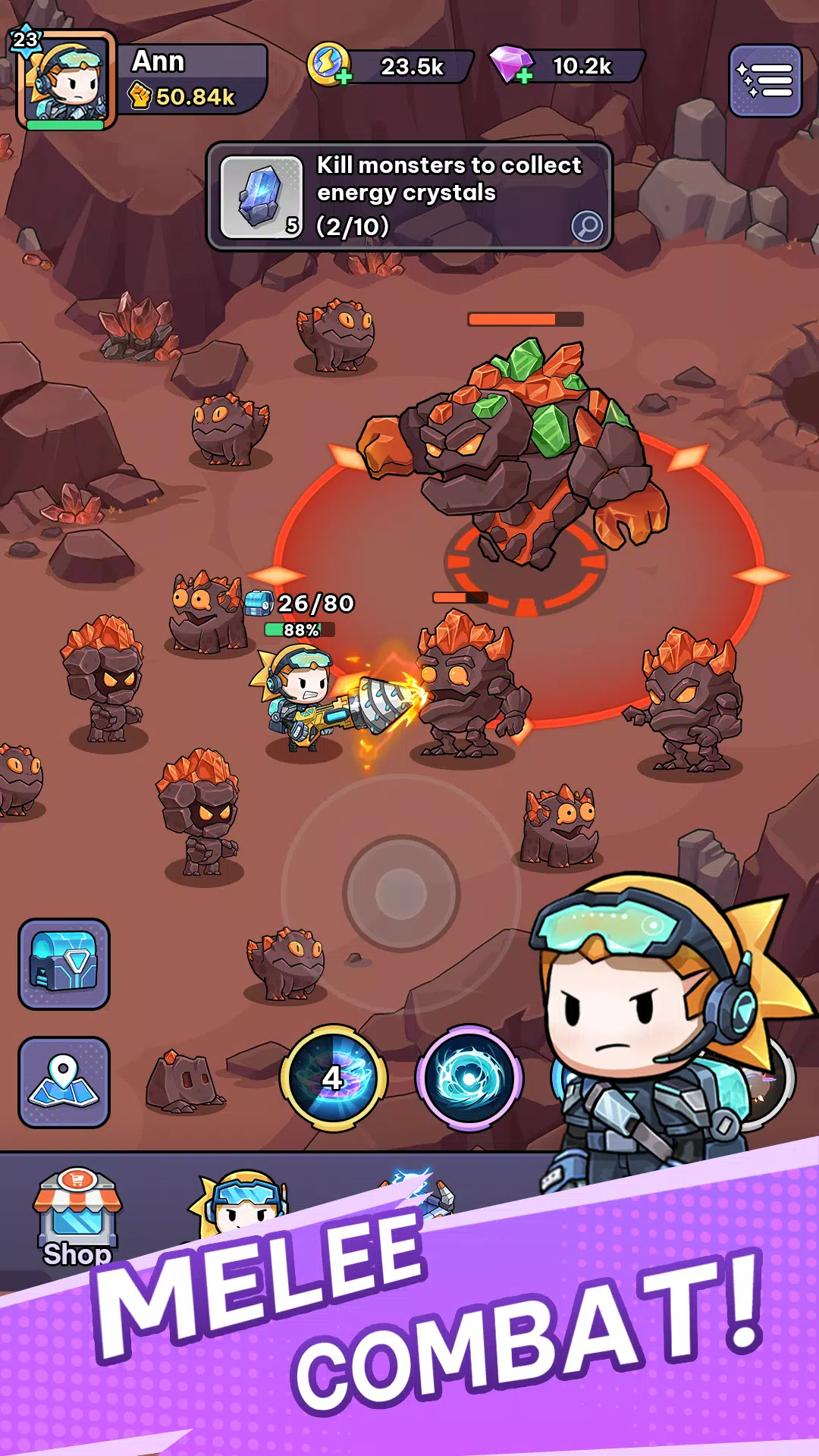
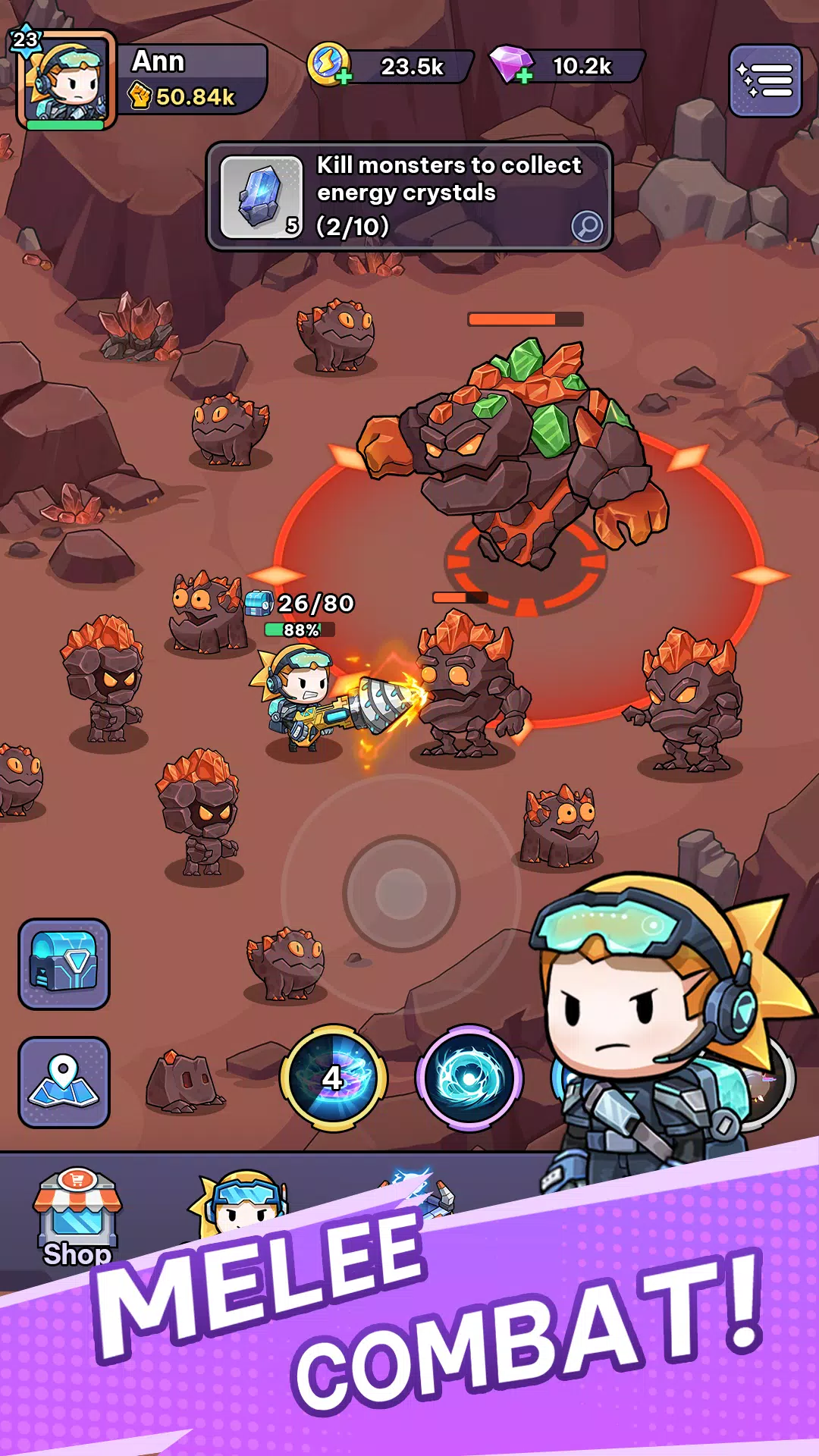
Star Forge is a sci-fi idle RPG that places you in control of a solitary forger exploring a galaxy of hostile worlds, mining rare resources and crafting progressively stronger equipment. In Star Forge the core loop balances automated combat and deliberate progression: you send your forger into waves of creatures and bosses, gather planetary materials, and return to the forge to improve gear and unlock passive enhancements that affect future automated encounters. This introduction explains how the game plays, what to expect from controls and progression systems, and how its design supports both casual check-ins and deeper optimization.
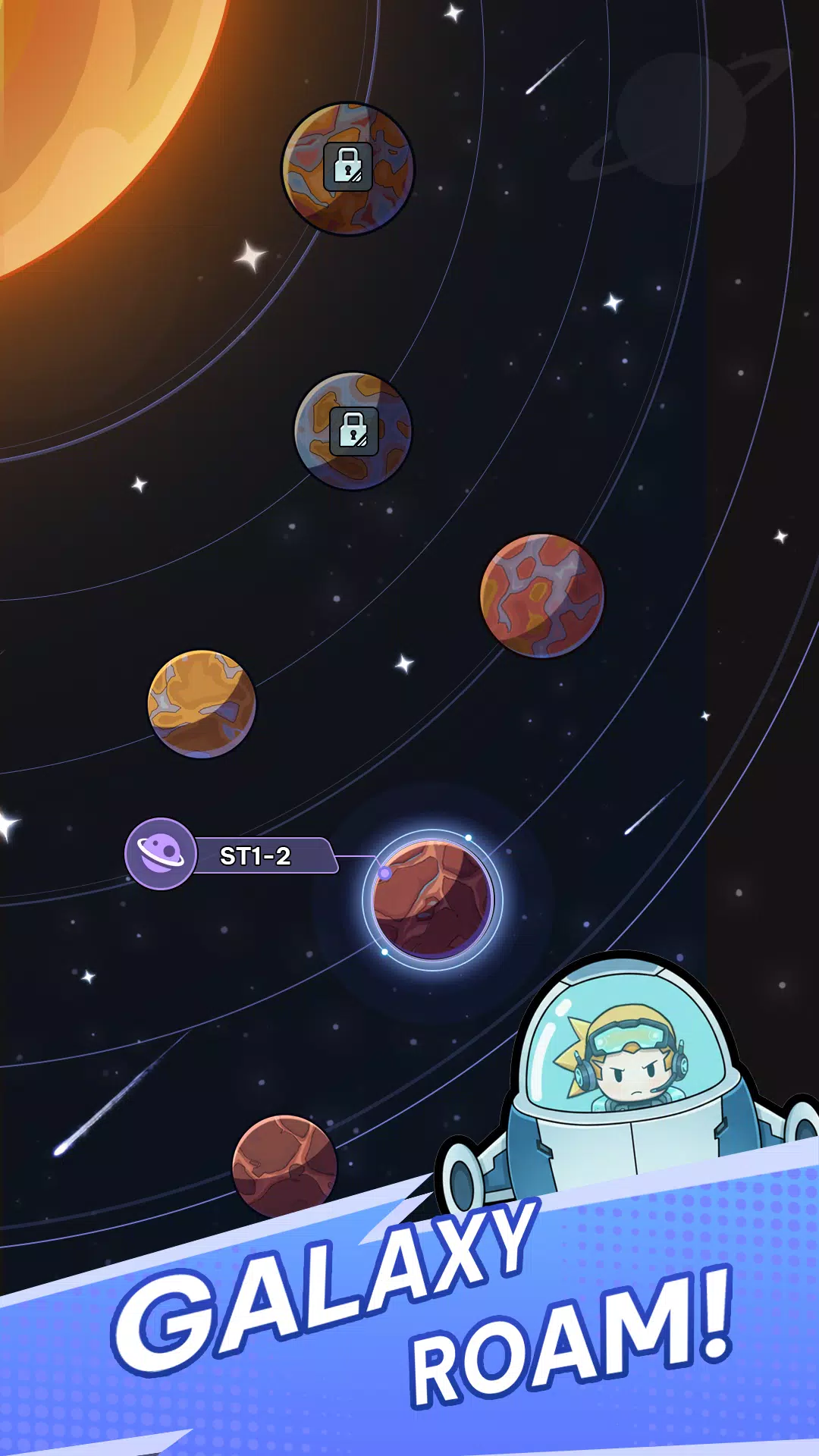
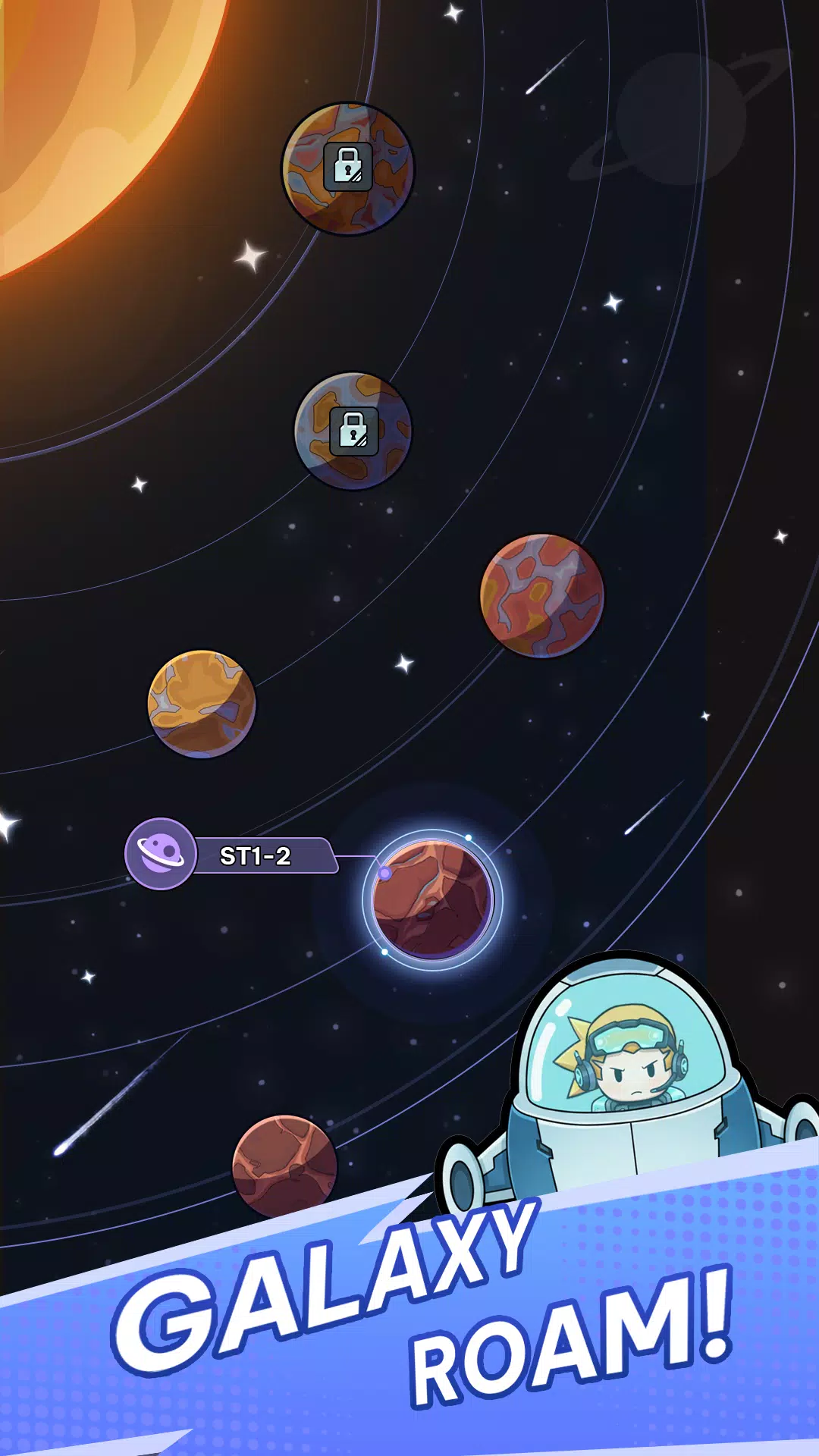
The automated battle system handles repeated encounters so you can advance without constant micromanagement; however, the game emphasizes meaningful choices in build design, equipment selection and upgrade order. Resource mining is tied to combat rewards and planet-specific drops, meaning each world introduces new materials to discover and use in the forge. Crafting and upgrading affect attack, defense and special attributes, and many upgrades add strategic trade-offs that shape how you tackle tougher stages and elite foes. Multi-planet progression unlocks new environments and enemies at a steady pace, while offline accumulation lets the game continue to generate materials and experience while you are away.
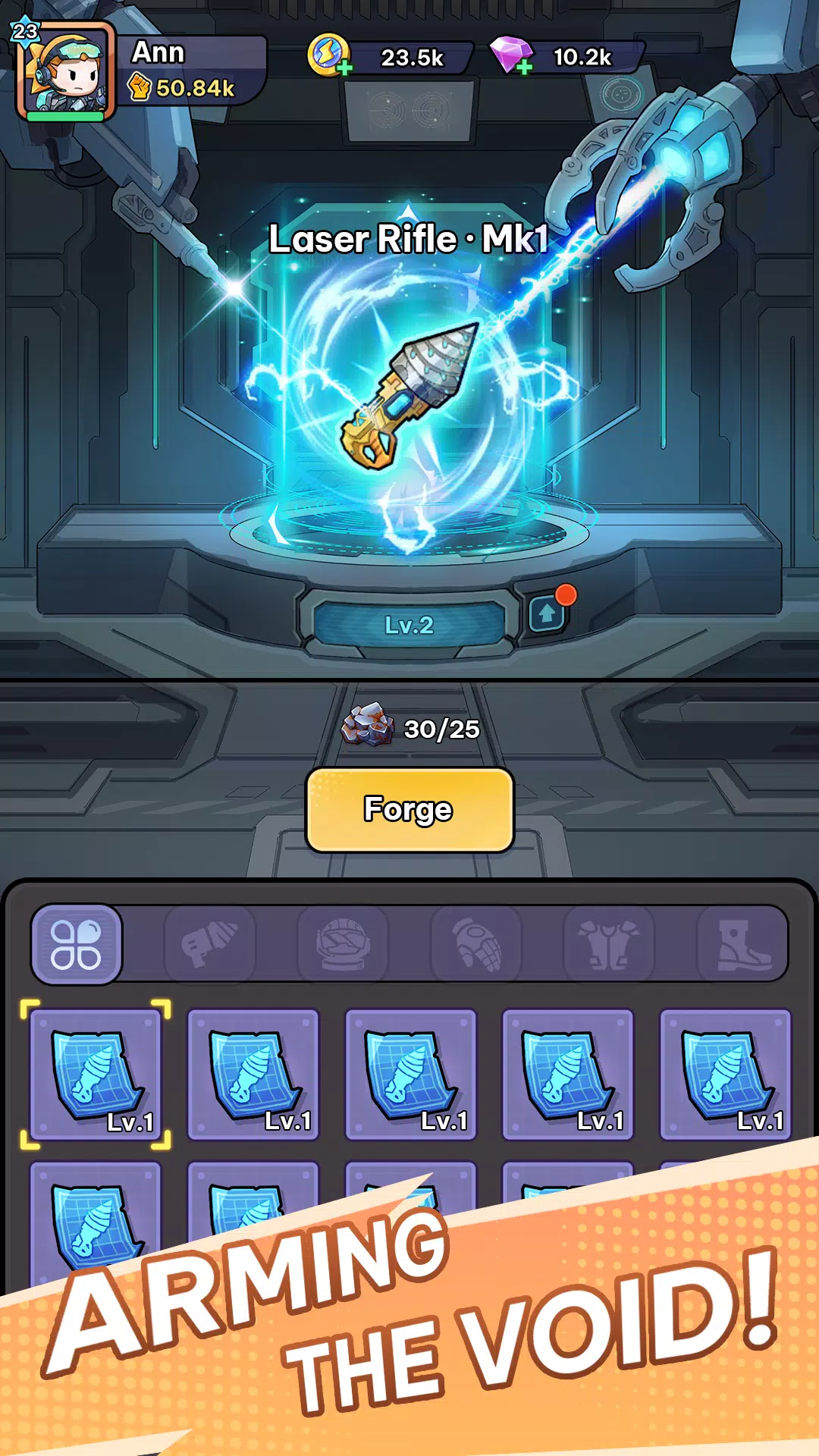
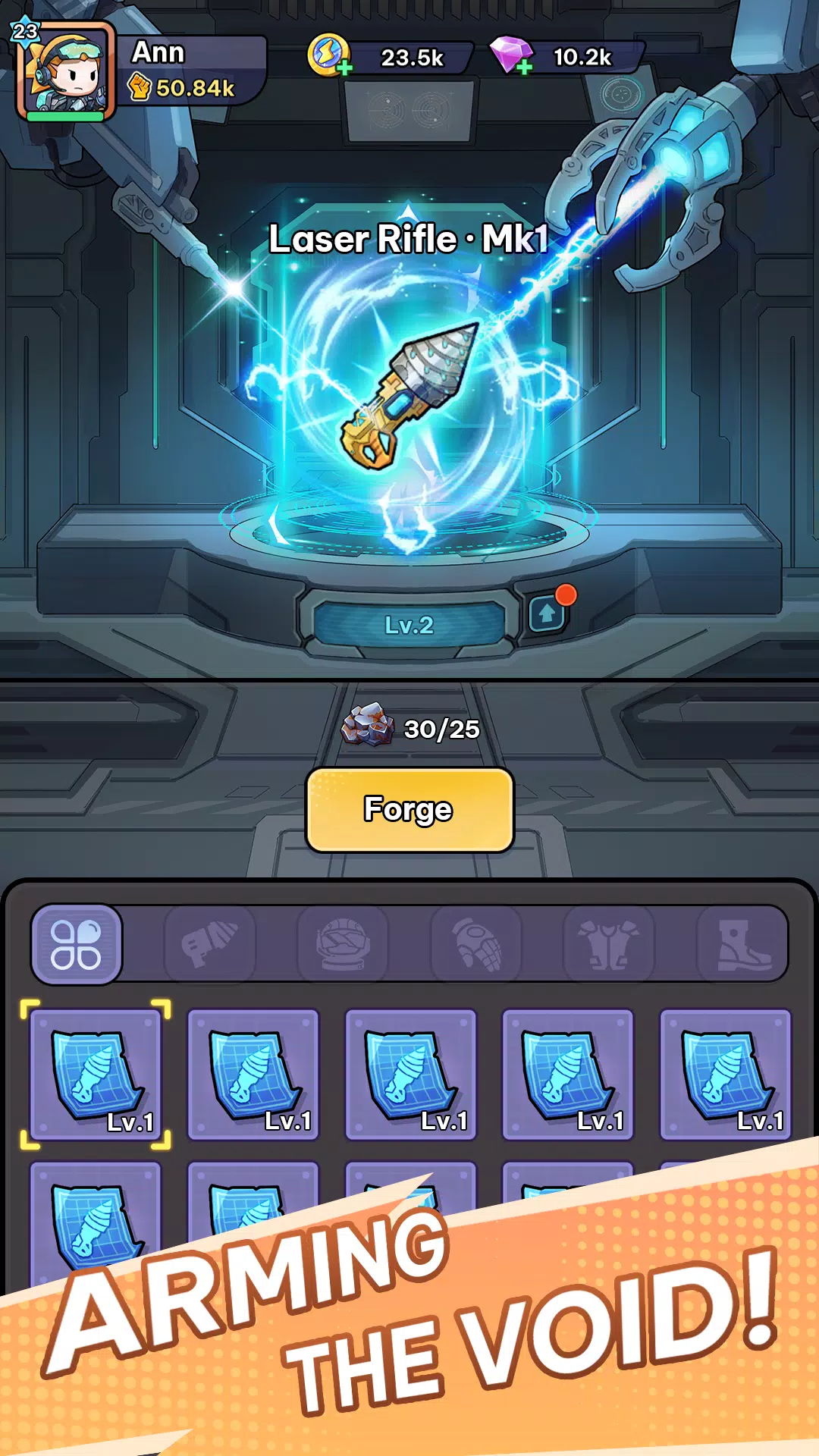
Gameplay centers on stage selection, automated combat runs, and a set of straightforward menus for crafting, upgrades and inventory. Controls are touch-based and designed to be approachable: tap to select planets and stages, open gear and enhancement screens, and apply upgrades with clear confirmation steps. The automated combat itself requires minimal input once setups are chosen, but the UI exposes detailed stats and comparison views so players can evaluate gear synergies before sending a run. Players who prefer more active management can use the stage selector to choose specific encounters, replay bosses for targeted drops, or experiment with different equipment mixes between runs.
Progression in Star Forge is driven by resource collection, gear forging and enhancement trees. Materials come in common to rare tiers and are often tied to particular planets or enemy types, encouraging return visits to gather scarce components. Crafting produces base equipment that can be upgraded incrementally; enhancements and refinement increase core stats and unlock secondary attributes. As you advance, material costs rise and upgrades require planning: deciding which attributes to prioritize, when to spend resources on immediate power versus long-term investment, and how to compose gear sets that produce complementary bonuses. This layered progression rewards both casual accumulation and deliberate optimization over time.
The game presents a clean sci-fi aesthetic with varied planetary biomes, from metal-rich asteroids to bio-luminescent jungles, each populated by unique creature designs and themed bosses. Levels are organized by planet and stage, with multi-wave encounters culminating in boss fights that test gear and synergies. Challenge systems include elite enemies with special resistances and modifiers that encourage tactical adjustments to your build. Visual feedback is used to communicate enemy weaknesses, upgrade effects and forge results so you can quickly assess why a run succeeded or failed.
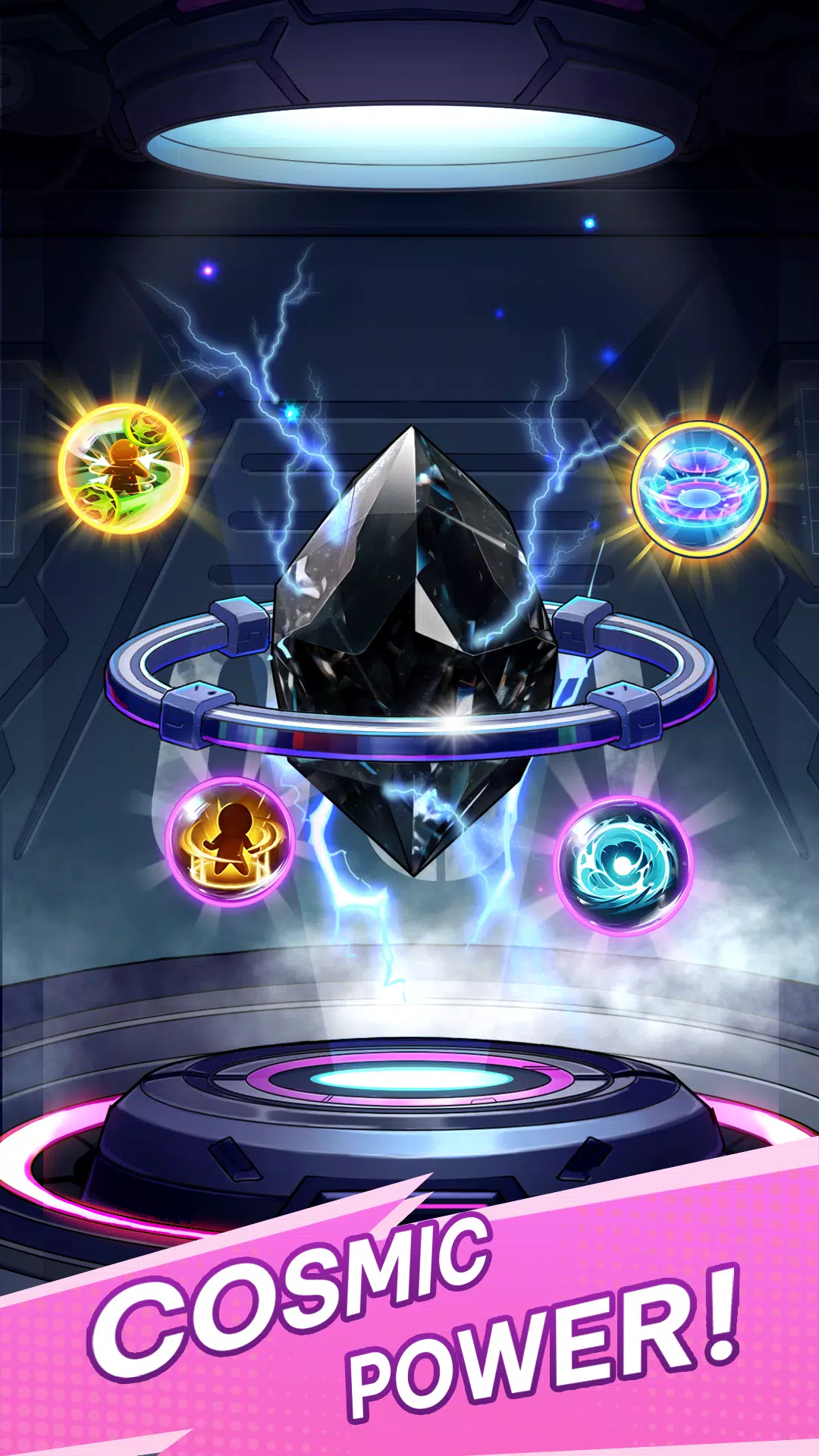
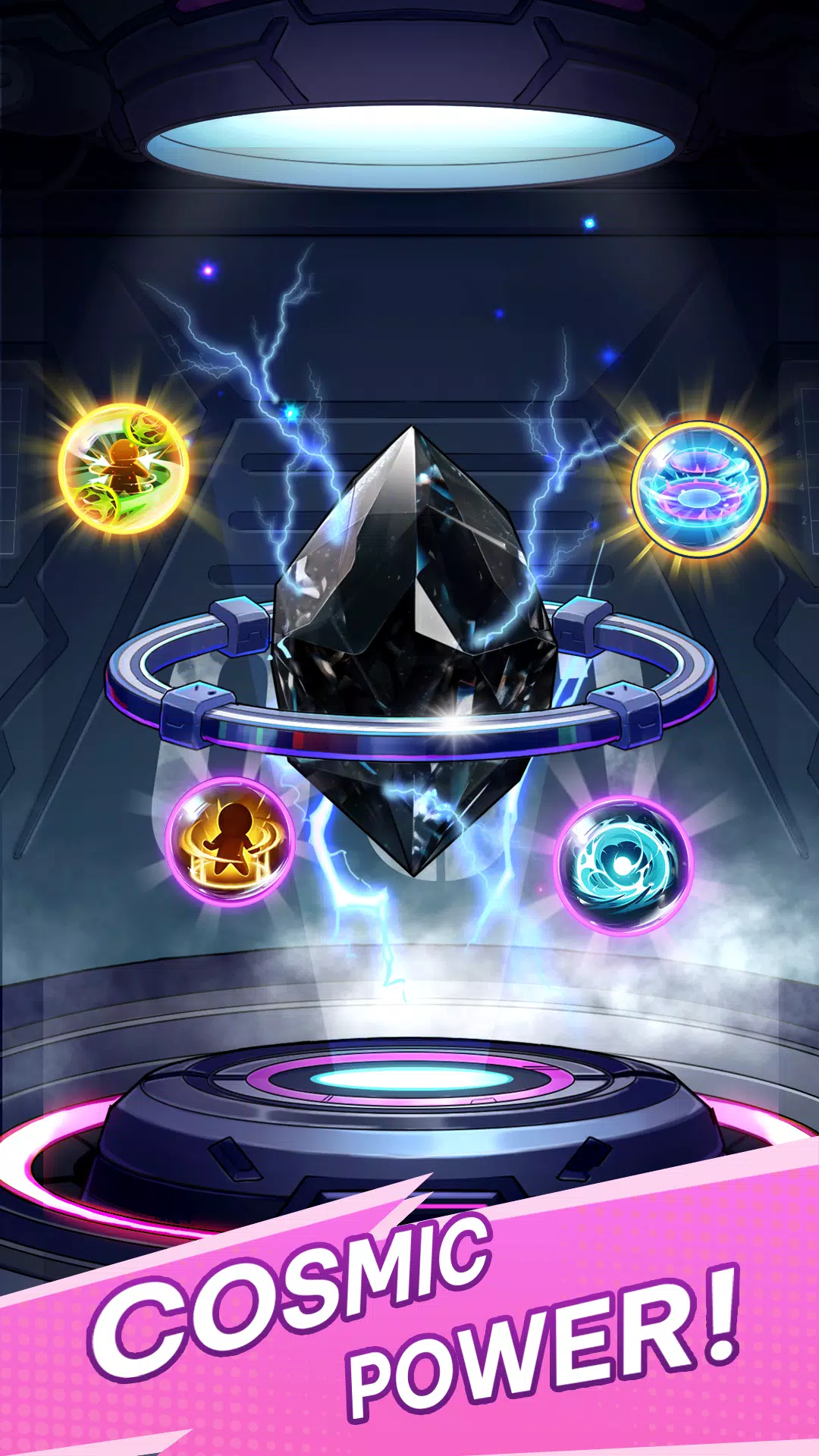
Customization comes primarily through equipment attributes, incremental upgrades and enhancement choices rather than complex character trees, which keeps the learning curve shallow while still offering meaningful variation. Replay value stems from hunting rare drops, experimenting with different gear combinations to exploit synergies, and pushing higher stages for material tiers you haven’t yet farmed. Accessibility features include adjustable auto-play behavior and clear tooltips explaining stats and upgrade outcomes; settings let players control notification behavior and basic visual options to reduce motion or streamline the interface for smaller screens.
Star Forge shines for players who appreciate idle progression combined with a tangible crafting loop: hands-off combat accelerates accumulation for short sessions, offline rewards maintain steady progress, and deep forging choices provide long-term goals. Limitations include reduced direct control over moment-to-moment combat for those seeking a fully manual action experience, and an increasing grind at higher levels as material requirements rise for advanced upgrades. Overall, Star Forge offers a measured balance between casual play and strategic gear optimization for players who enjoy incremental growth across varied planetary environments.
Doctor X demo
Size:7.50M ShootingUS Police Car Escape Chase
Size:147.00M ShootingLost Flowers
Size:39.20M ShootingPixel Dash Art
Size:8.70M Shooting超自然行動組
Size:935.20M ShootingStar Forge
Size:474.50M ShootingObby Climb Jump Tower Game
Size:144.20M ShootingArrow Over It - Getting high
Size:65.80M ShootingCrocodile World Adventure
Size:61.60M ShootingKING365
Size:27.54M ShootingEra Evolution
Size:0.00M Shootingsaky3
Size:88.00M ShootingApril 2024 Clash of Clans Update: Unveiling a Fresh Companion, Enhanced Levels, Chat Tagging, and Be
2024-04-16Arrival of Genshin Impact 4.6 Update: 'Embers of Two Realms, Twilight of Crimson'
2024-04-16V2.2 of the Farlight 84 update introduces an overhauled Season structure, fresh in-game currency, an
2024-04-16Monster Never Cry is now accessible on both Android and iOS mobile devices.
2024-04-18PUBG Mobile Teams Up with Bentley Motors: Luxury Cars, Exclusive Collectibles, and Beyond
2024-04-18March 2024 Free Redemption Codes for Honkai: Star Rail
2024-04-18